Getting Started with Macro: A Personal Journey
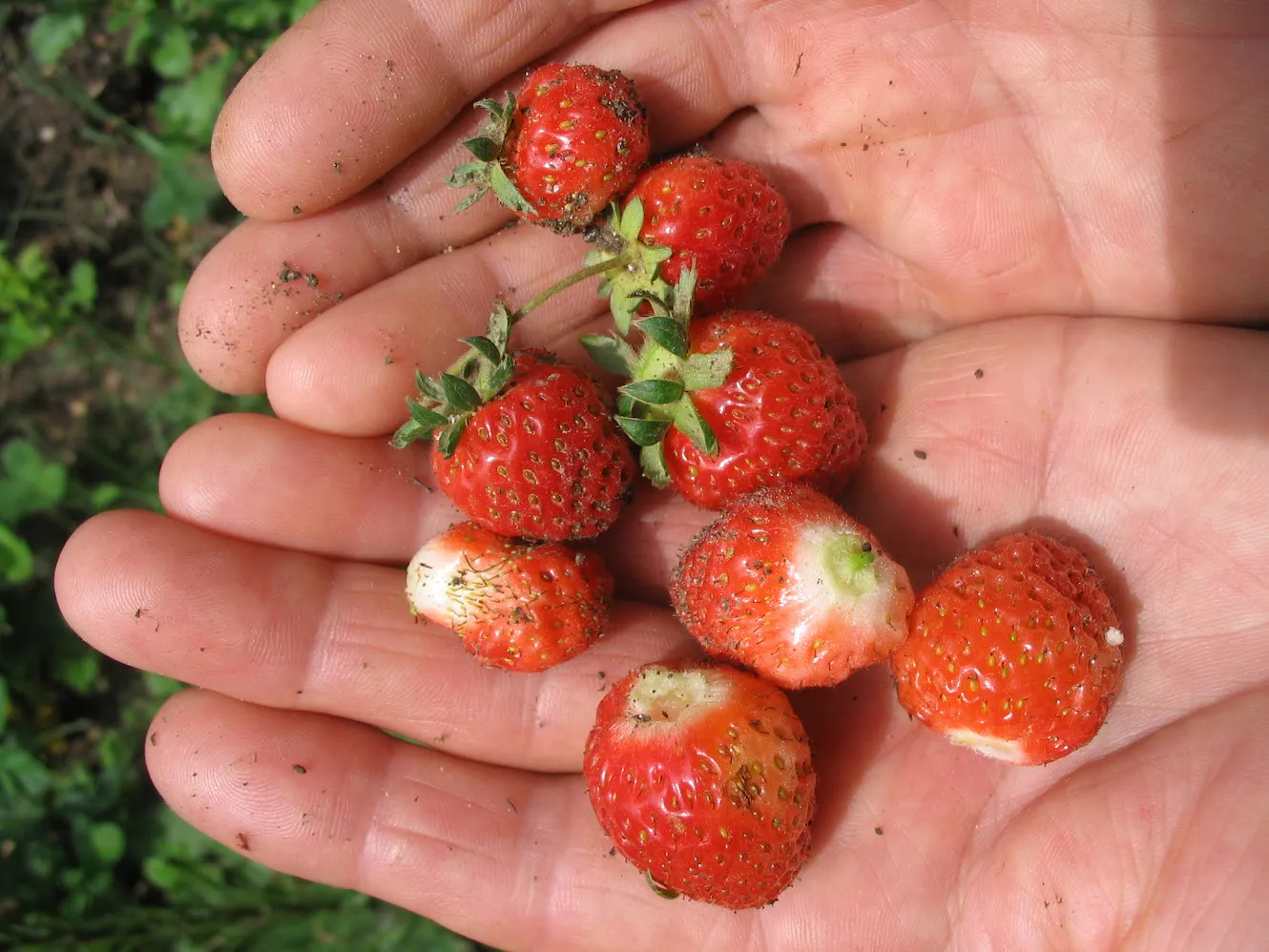
Long before I discovered photography
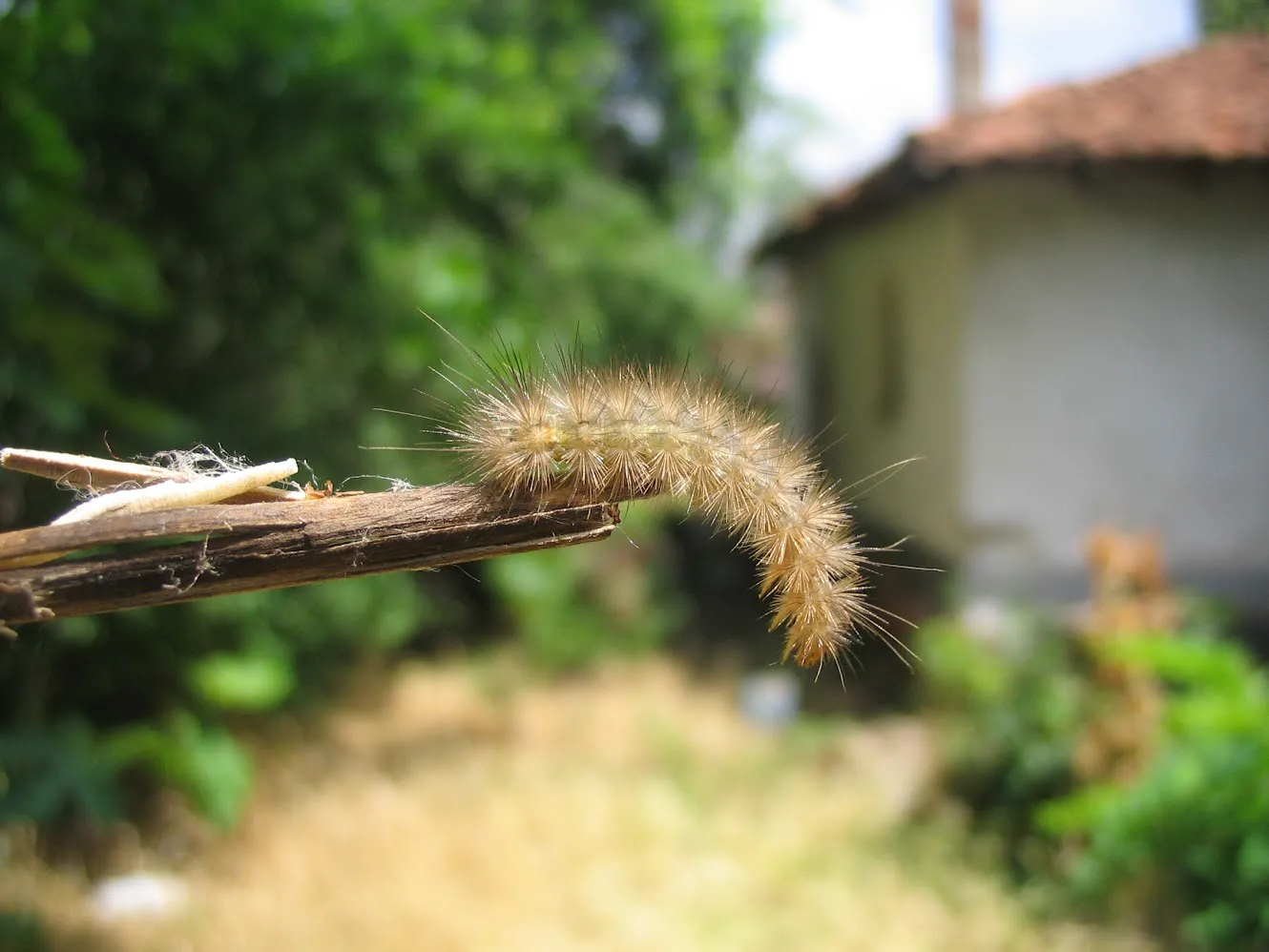
Elementary school years… Village life. Times when I wasn’t just acquainted with nature but deeply intimate with it. The house I lived in was outside the village as well. Almost intertwined with the forest. As a daily routine, all the big stones around would be flipped, the logs stacked after tree cutting would be rolled, and we’d check if there was anything new underneath. We’d look for plump stag beetle and rhinoceros beetle larvae inside logs that were well on their way to rotting. A small piece would be torn off a freshly chewed gum, stuck to the end of a string, and dangled into holes in the ground like a fishing line. A huge wolf spider (we didn’t know its name back then) that mistook the gum for prey would be fished out of its burrow and examined—trying hard not to get bitten.
Middle school years… Every summer morning, with notebooks in hand, we would scan the garden from end to end. If there were newcomers of species we’d given funny names or any that had built new nests, we’d mark their spot on the sketch we had drawn. Their behaviors were noted and their appearances sketched. Praying mantises and spiders were fattened… One day the home aquarium was secretly emptied and filled with rocks and soil. Woodlice, spiders, and darkling beetles were placed inside. In the following days they were fed and their behaviors observed… After saving money for days, the binoculars we bought were used in reverse, discovered by accident (Those binoculars were my first reverse-lens experiment :) it magnifies very well at very close distances—try it), and likewise with the amateur microscope we had painstakingly and enthusiastically acquired, fly wings, paramecia from the pond, etc. were observed and drawn… The season ended with countless bites and stings.
Then a bit! of a gap crept in :) High school, university, working life, marriage. Up to this point I hadn’t picked up a camera.
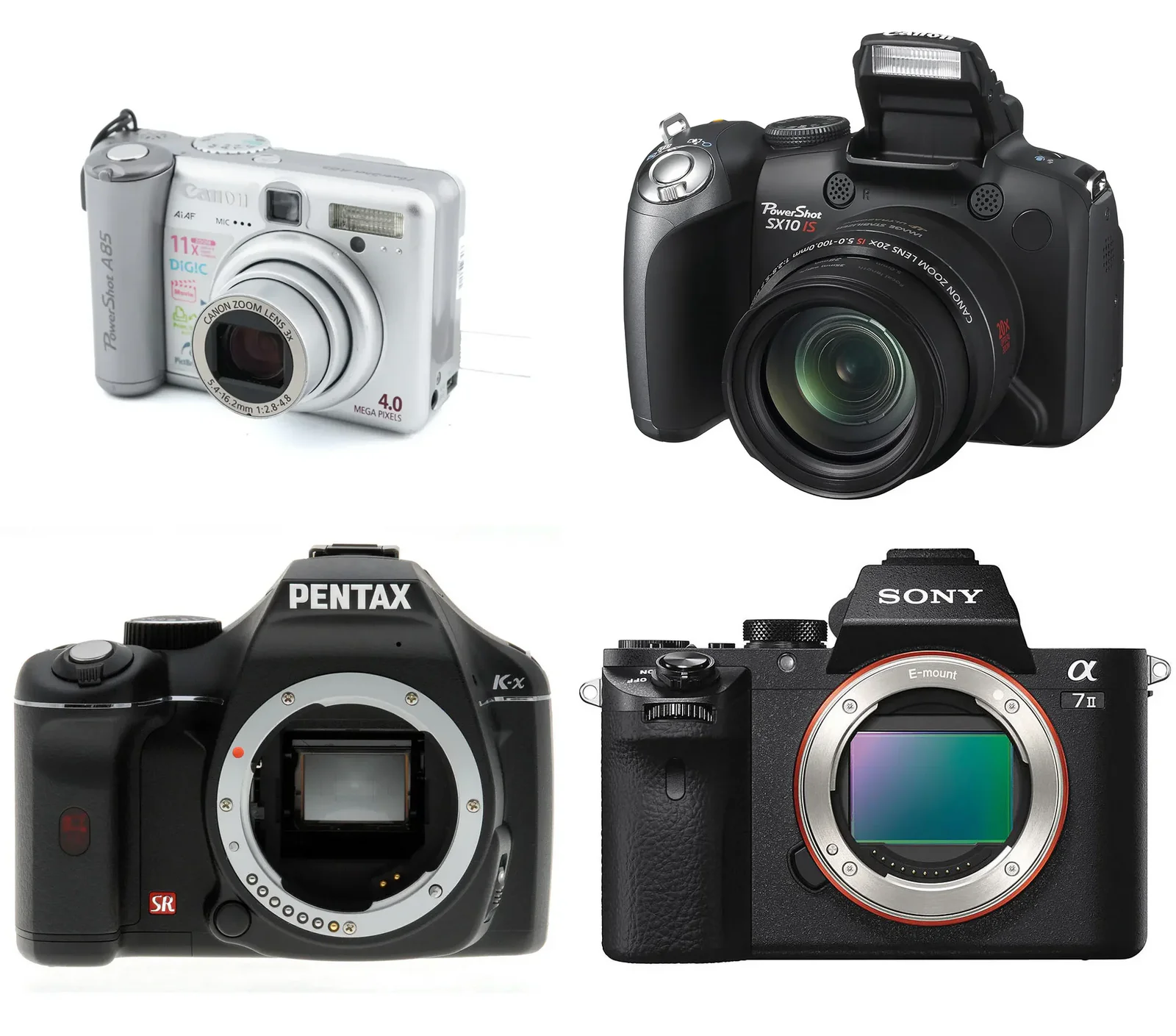
Macro with a compact digital camera - Canon A85

My start in macro photography happened thanks to that Canon A85.

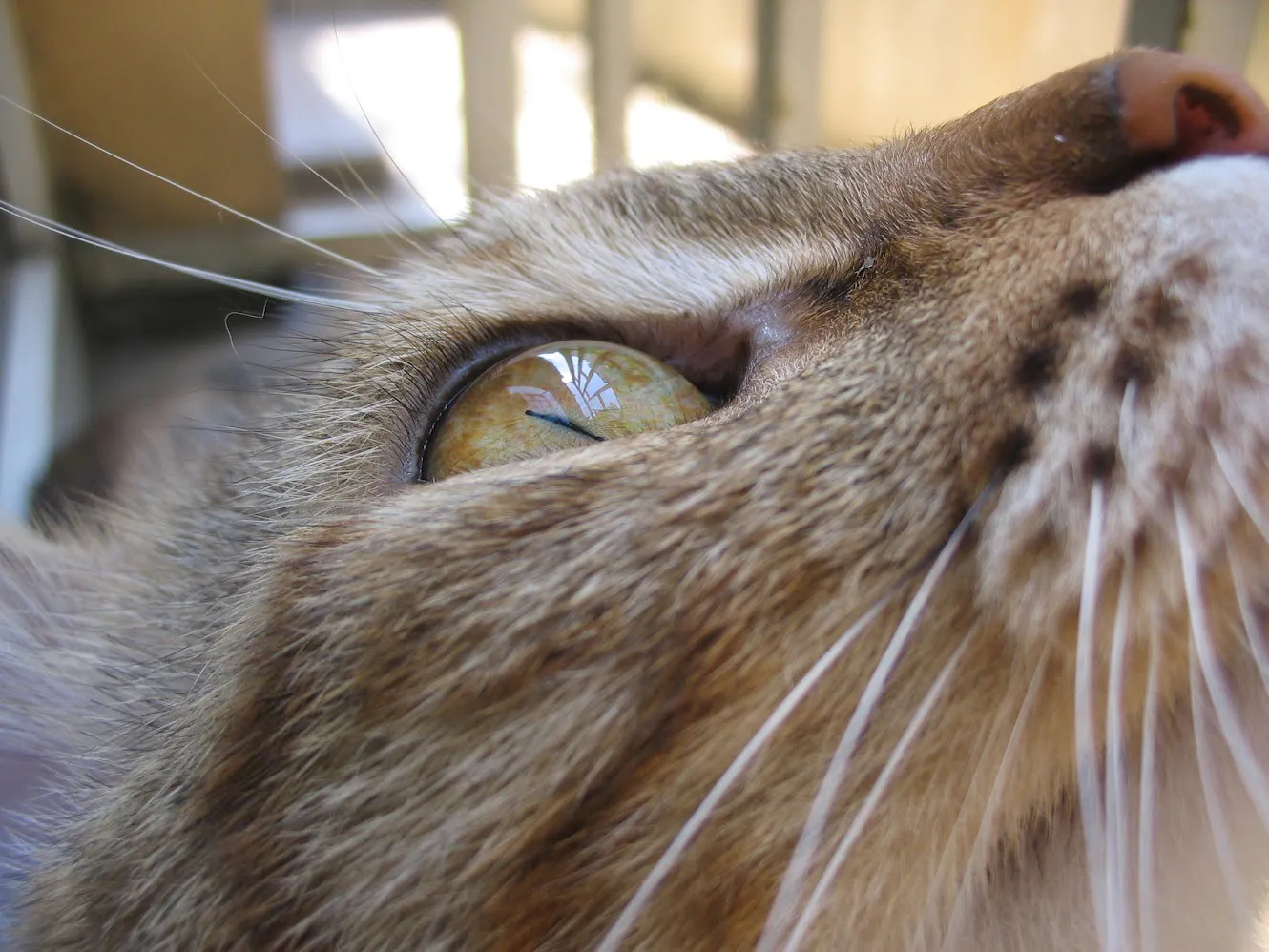
SLR-Like - Canon SX10 IS
2009, the breakdown of my A85 and the birth of my daughter coincided. When it’s a baby, a lot of things come along with it—and so did a search for a new camera right away. Since I liked the portability of compacts and Canon’s lively images, I once again leaned toward a Canon compact body. As I wanted to get even closer when shooting macro, I looked for something that could focus at 0 cm. Pushing it a bit further, I turned to the models called SLR-Like that boasted lots of zoom. My target became the Canon SX10 IS. With its 10 MP sensor and what, from my point of view, was a miraculous lens working in the 28–560 mm range, it promised I could shoot birds as well as macro. (Sensor size? What’s that?)

I had chosen the wrong model.
I fought with it for a while and stubbornly used that camera. I even liked the experiments of “macro at tele focal lengths”!? now and then. I could shoot a butterfly from 3 meters away without scaring it and get a nice bokeh in the background. (What do you mean by bokeh?)
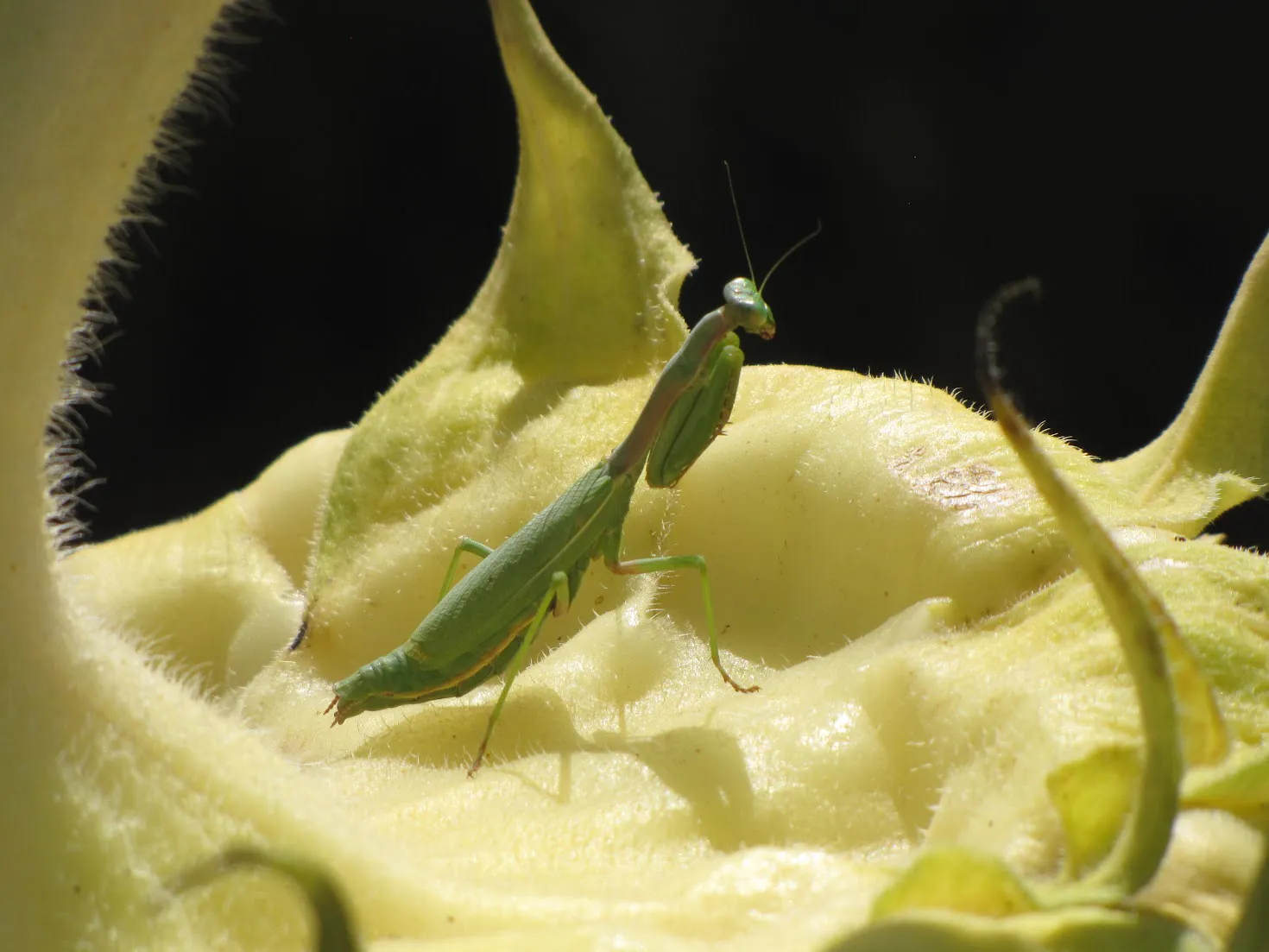
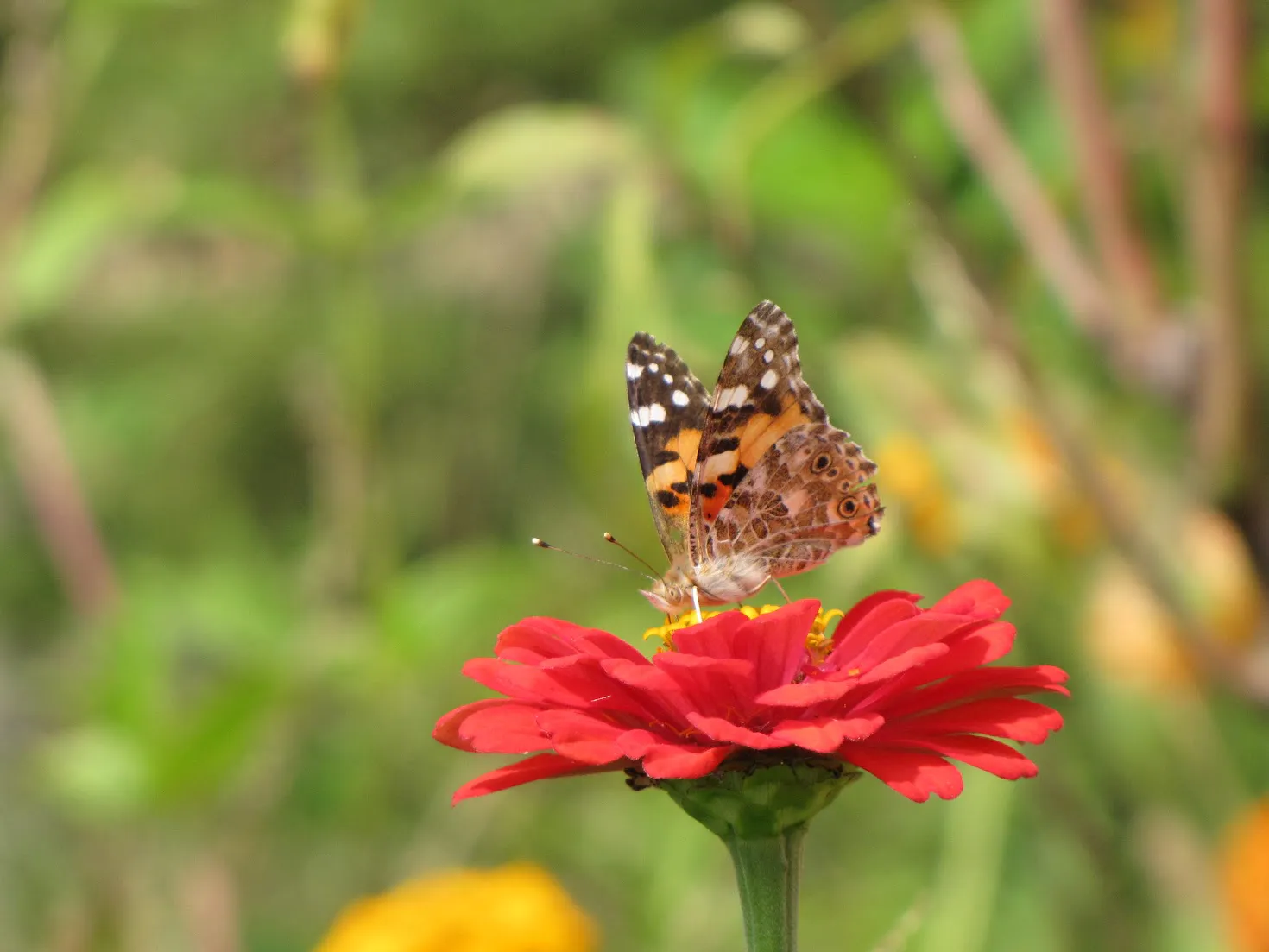
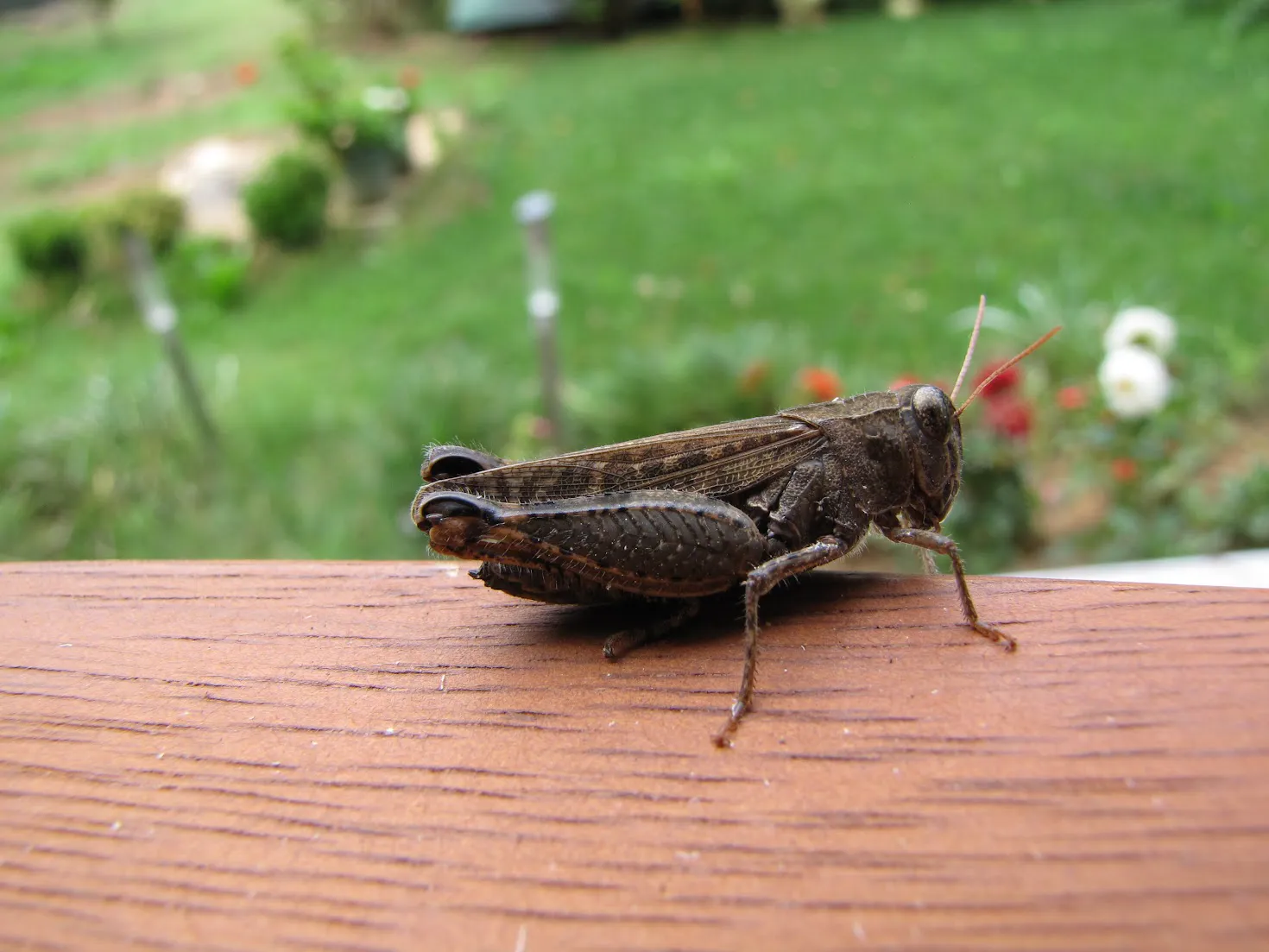

Choosing a DSLR Camera
The target was now an SLR camera. The same year (2009), Pentax, which made a big leap with the K-x, stole my heart. I was beginning to realize the importance of sensor size. I decided the K-x was the camera I was looking for. Compared to the A85’s 5.31 × 3.98 mm and the SX10’s 6.17 × 4.55 mm, the 23.6 × 15.8 mm sensor—about 13 times larger—and its advanced technology made it clear on day one that the SLR world was a whole new experience.
As a brand that could do the same job on a more modest budget, Pentax still appeals to me. Looking back years later at the photos I shot with the K-x and skipped processing, I see it did really great work—especially in terms of color.
A feature that we can now access on different brands and models was back then unique to Pentax. The SR (shake reduction) mechanism, which existed only on advanced lenses, came on the Pentax body and worked with all lenses. Thus, even with old manual lenses, we gained serious comfort thanks to stabilization.
This feature lets you shoot sharp handheld in conditions that would normally require a tripod… To a certain degree, of course :)

The K-x became my new camera. After a short fling with the 18–55 kit lens, I decided to get a macro lens for both close-ups and portraits. I picked up my Tamron lens, which would make me look at the world at 90 mm for the next two years.
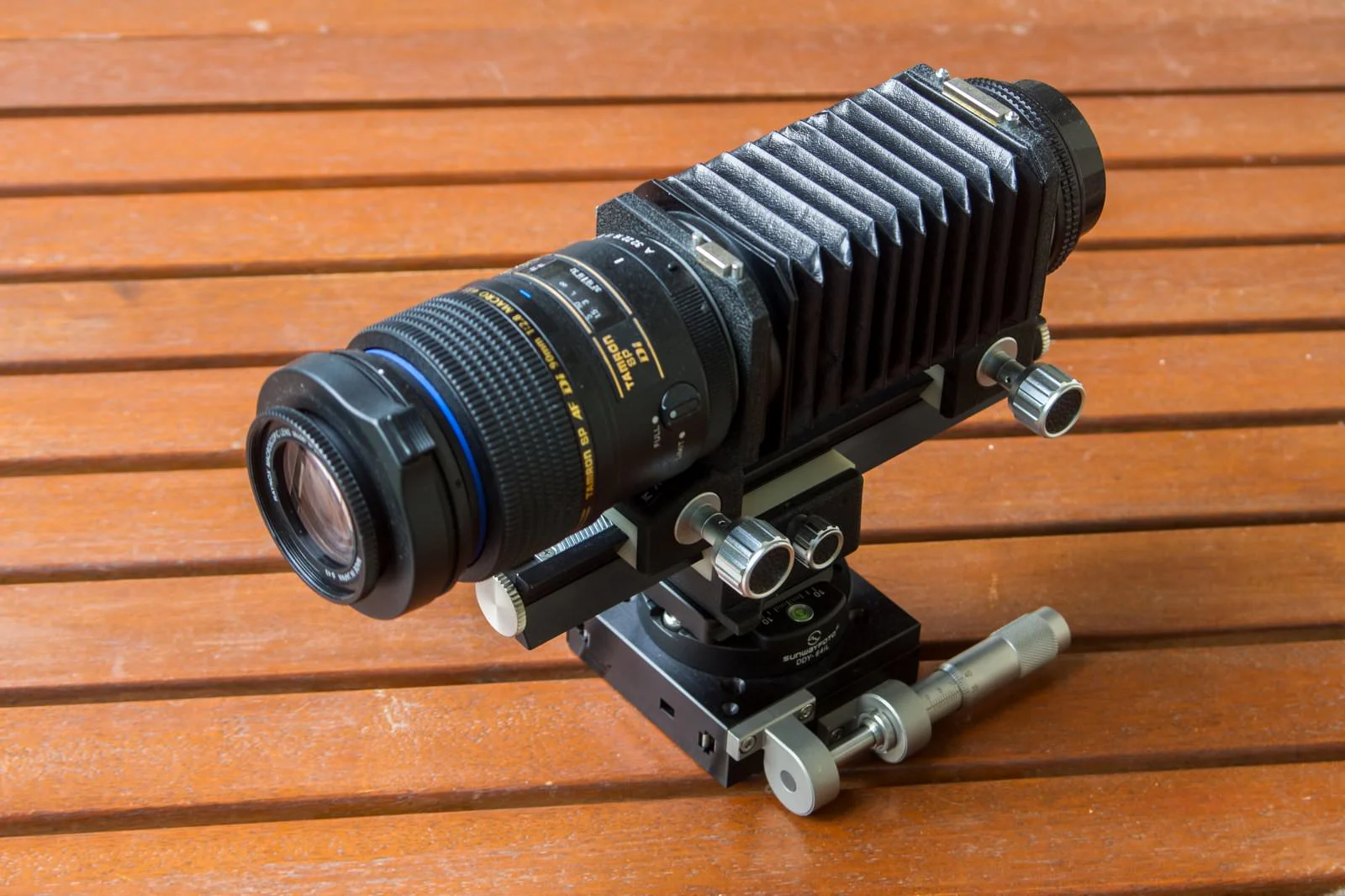
Tamron 90 mm f/2.8 1:1 macro practically glued itself to my camera. I came to understand that true macro starts at 1:1 magnification. In future posts I’ll talk a lot about the Tamron 90 and compare everything else to it.
As for my daughter’s photos, those were 90 mm for many years too. With its sharpness and creamy background at wide apertures, the Tamron 90 is also a very good portrait lens.


What limits us in macro shooting is our imagination. Whatever we have that takes photos can be made macro-capable by adding a few small pieces. So what can I recommend to friends who are comfortable in terms of experience and budget?
The macro photography journey
The title says getting started with macro and then a personal journey. I’ve told the beginning, but the journey continues. As you can guess, sometimes it’s full throttle, sometimes winding, and sometimes it dead-ends. Along the way, there’s a need for short or long breaks.
Over time I gained experience with other bodies—chief among them the Sony A7 Mark II—and countless lenses. I published a significant portion of these on this website. Thanks to this, I had the chance to meet many people devoted to photography. We had a great time when we went out shooting together.
At a certain point I felt complete saturation in the name of macro photography. The things I had done—and would do—in photography started to repeat themselves. Or at least that’s how I felt it would be. In a not-so-slow process, the camera fell completely out of my hands.
Along with other hobbies that filled my spare time, I drifted completely away from photography. The website shared the same fate and I took it offline.
I lived through a period of not taking photos that lasted longer than the time I spent taking photos. Fortunately, we didn’t lose touch as a certain group of friends. They constantly encouraged me to reopen the website and return to shooting. It must have worked, because by revisiting and updating all the content with the goal of an even richer website, we’re starting again.
I thank each and every one of you here.
May your light be abundant.