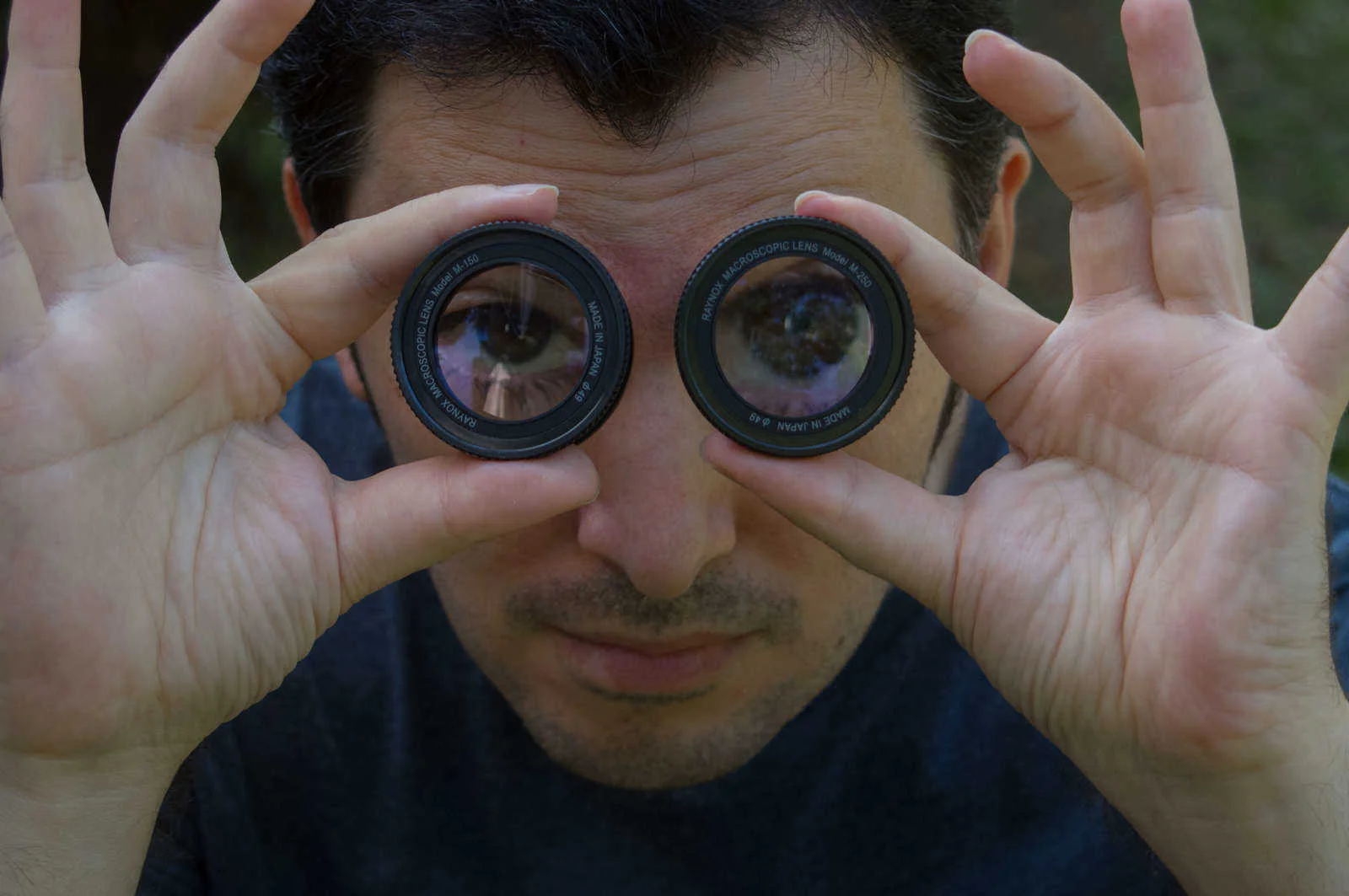
Raynox as a portrait lens
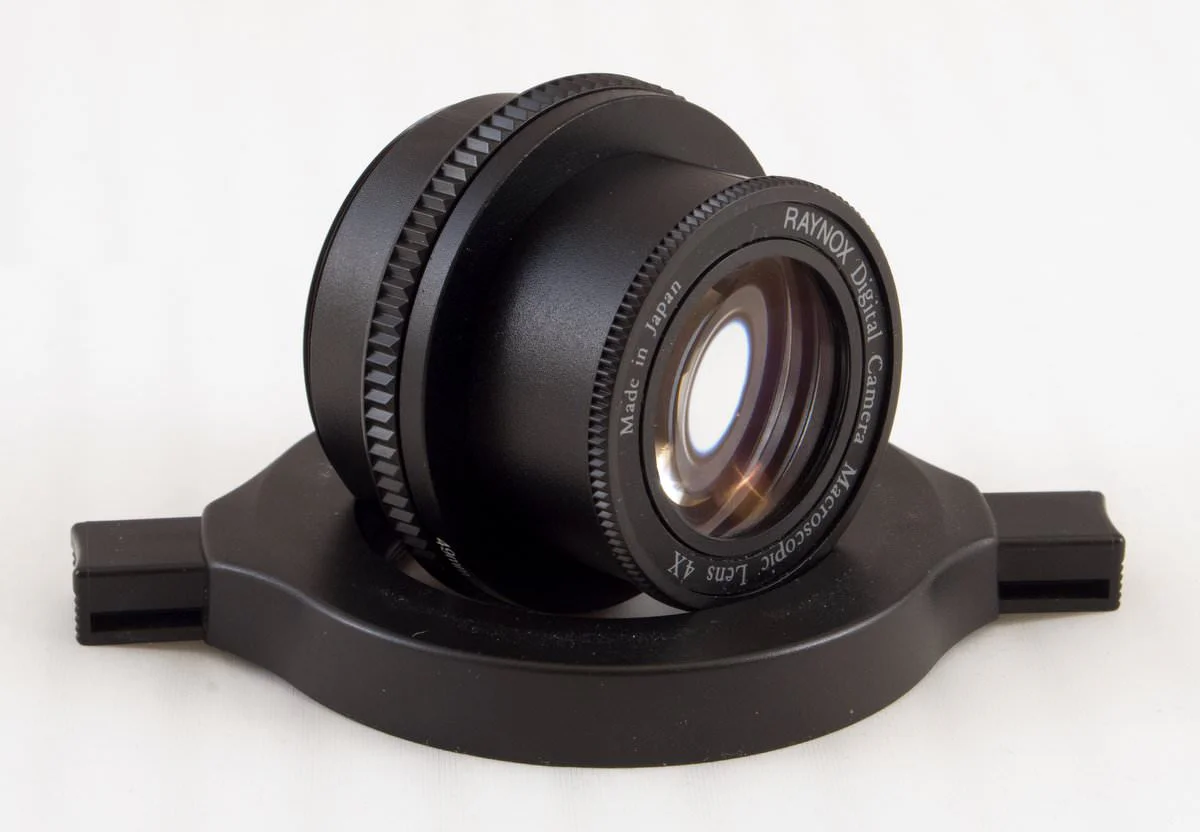
Experiment converting the Raynox DCR-250 macro filter into a sharp 125mm f/2.9 portrait lens. Optical calculations on the bellows, setup, and sample photos.
Have you ever thought about making your own lens? Learn how to take photos with a simple magnifying glass at home. Join this fun DIY project filled with optical basics, lens imperfections, and practical solutions!
Take a wide-angle look at the world of insects! Capture macro photos that feel real with the Laowa 15mm f/4 1:1 Macro lens. A comprehensive guide to perspective, lighting, and shooting challenges.
Discover the reasons behind fogging, color fading, and loss of sharpness in your macro shots. Eliminate internal reflections using simple methods like light traps to increase contrast and sharpness.
Why do small apertures like f/22 in macro photography reduce sharpness? Diffraction effects in photography, effective aperture, and the range where lenses are sharpest. A guide to choosing the right aperture without losing detail.
The easiest way to increase macro magnification with your existing lenses! We tested the Raynox DCR-250 and MSN-202 with different lenses. What is diopter, and how does it affect results with different lenses? Comparative tests and examples.
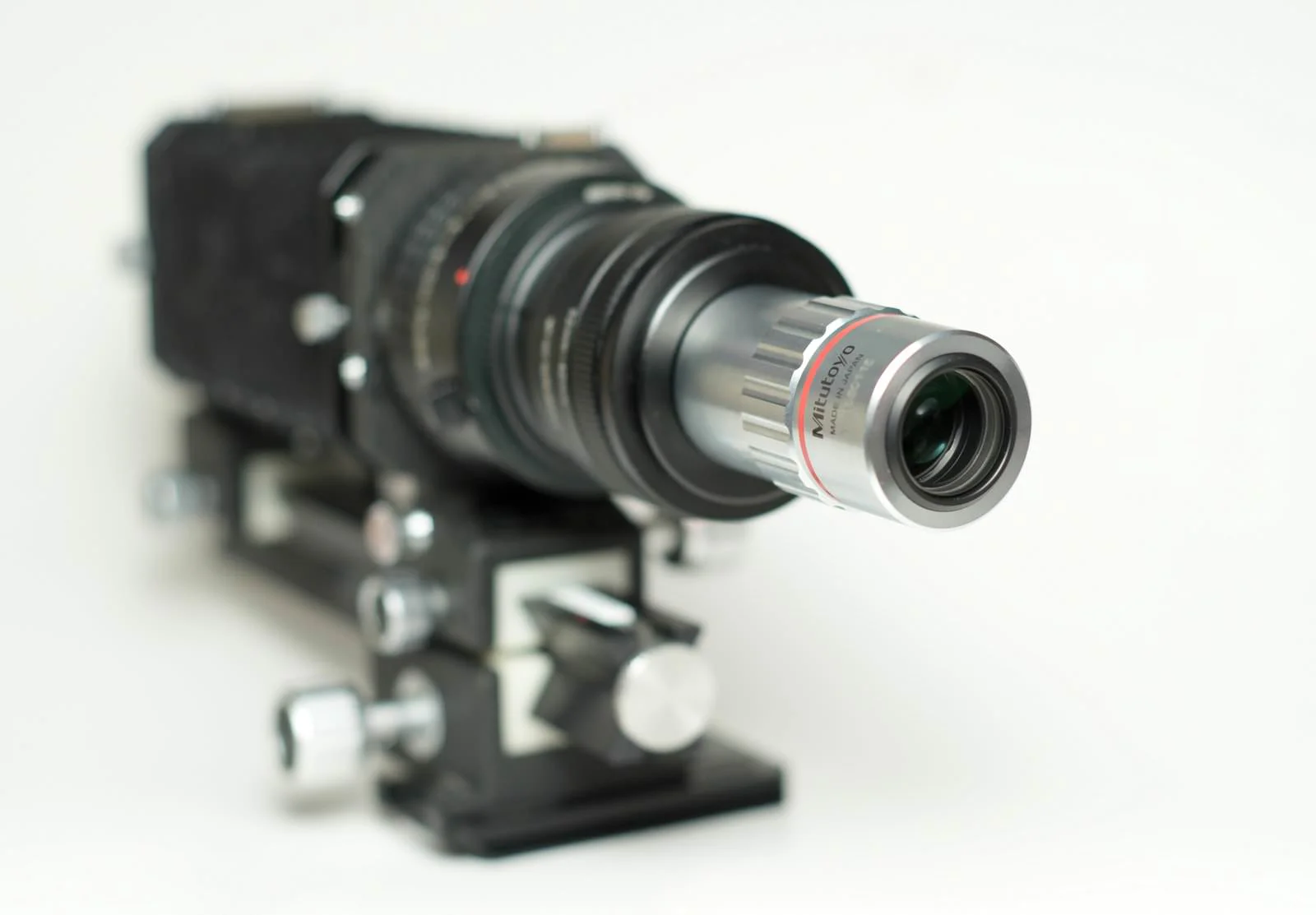
Push the limits of macro photography with the legendary Mitutoyo M Plan Apo lenses. A comprehensive guide covering tube lens selection, flexible setup with Raynox, external diaphragm technique, and all adapters.
Get rid of annoying reflections and glare in your macro photos. Learn how to achieve sharper details and richer colors in your insect and flower photos using the cross-polarizing technique.
A solution to one of the biggest problems in macro photography: shallow depth of field. Achieve sharp images from front to back by combining multiple photos using the focus stacking technique. Learn about studio and handheld shooting applications and their challenges.
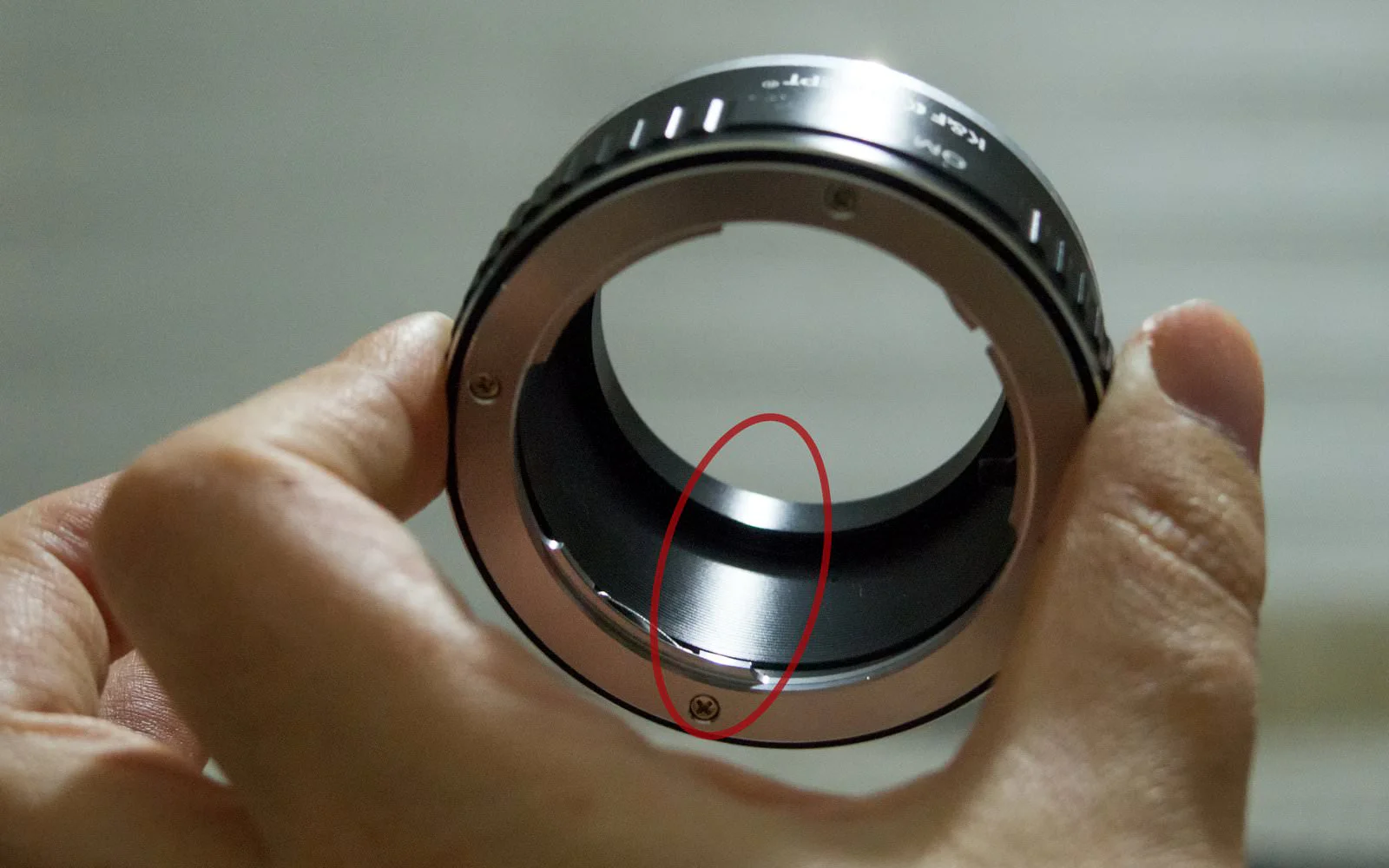
Go beyond 1:1 magnification in macro photography. Learn how to attach microscope lenses to your camera, the “finite” and “infinity” lens types, technical terms on lenses, and the challenges of high magnification.
Why is the focus area so narrow in macro photography? Understand technical concepts such as depth of field (DOF), “circle of confusion,” and “effective aperture.” Learn which aperture to use based on magnification to achieve maximum sharpness in your photos.
Get rid of blur, graininess, and harsh shadows in your macro photos. Learn how to take sharper and brighter photos using an external flash and homemade diffuser, and which flash and trigger to choose in this guide.
Is autofocus an advantage or a disadvantage in macro photography? Discover the pros and cons of manual and autofocus in comparison when dealing with depth of field, vibration, and lighting issues at high magnification.
What makes a photo “true macro”? Learn the differences between close-up, 1:1 macro, and higher magnification levels. Deepen your macro photography knowledge by discovering how to measure your equipment's magnification ratio.
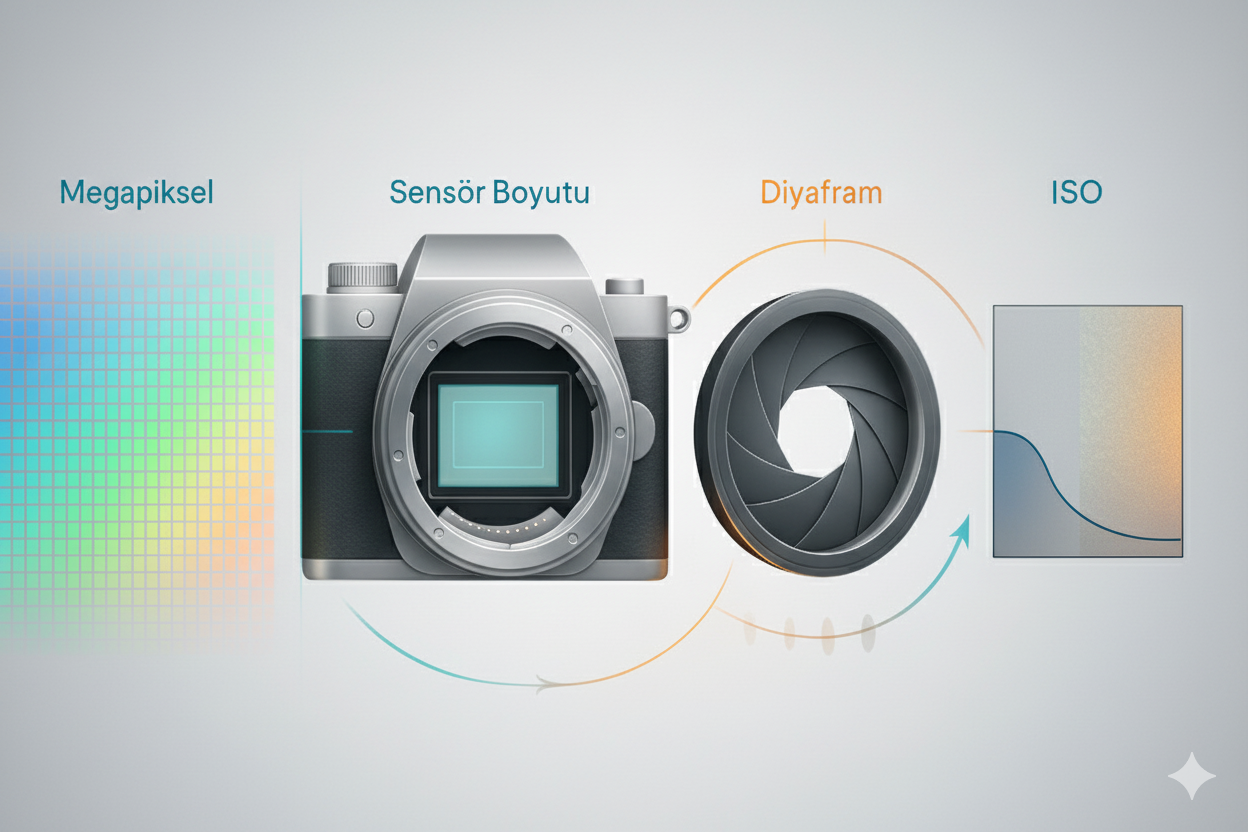
Understand the basic settings for clear and sharp macro photos. Discover the effect of aperture on depth of field, the graininess caused by ISO, and the role of sensor size and megapixels in detail, specifically in macro photography.
What makes a lens a “true macro lens”? Beyond 1:1 magnification, discover the importance of ‘flat field’ performance, high resolution, and being a prime lens. Learn what to look for when buying a lens.