Preparing dead insects for photography - Coloring and cleaning
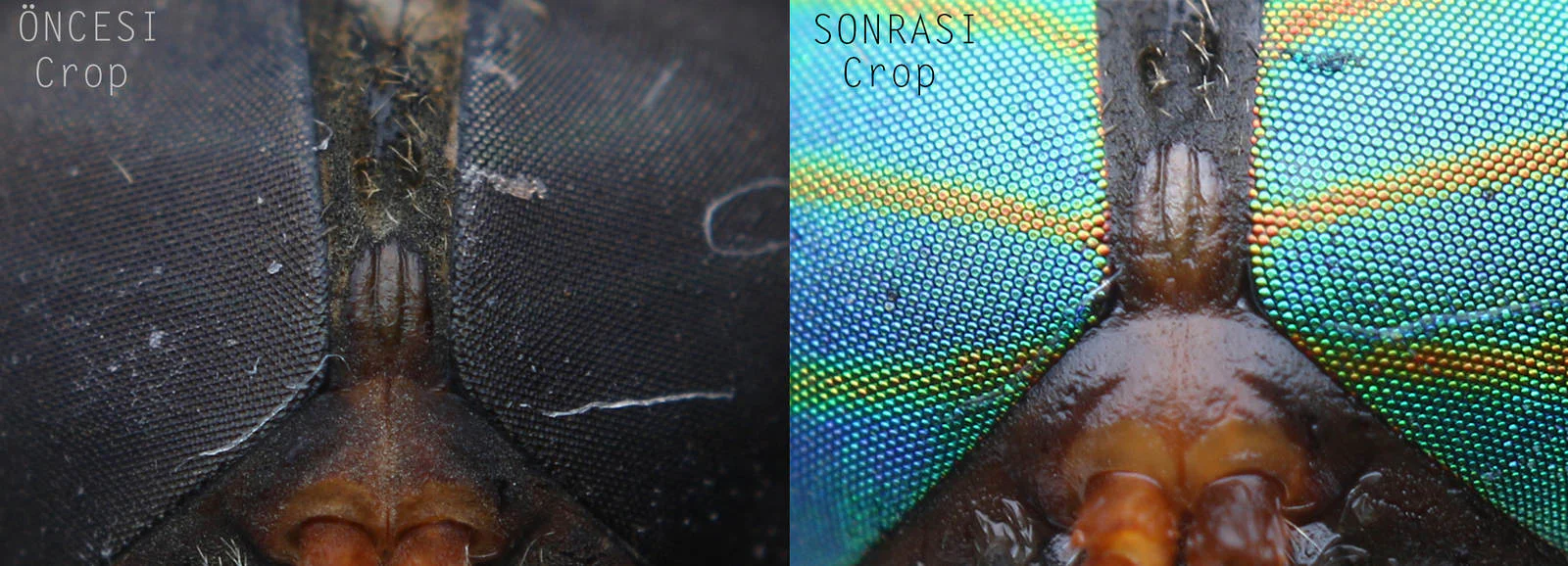
Discover the secret to preparing dead insects for macro photography. Learn how to clean dried insects using lens solution, revive them, and restore their faded eye colors.
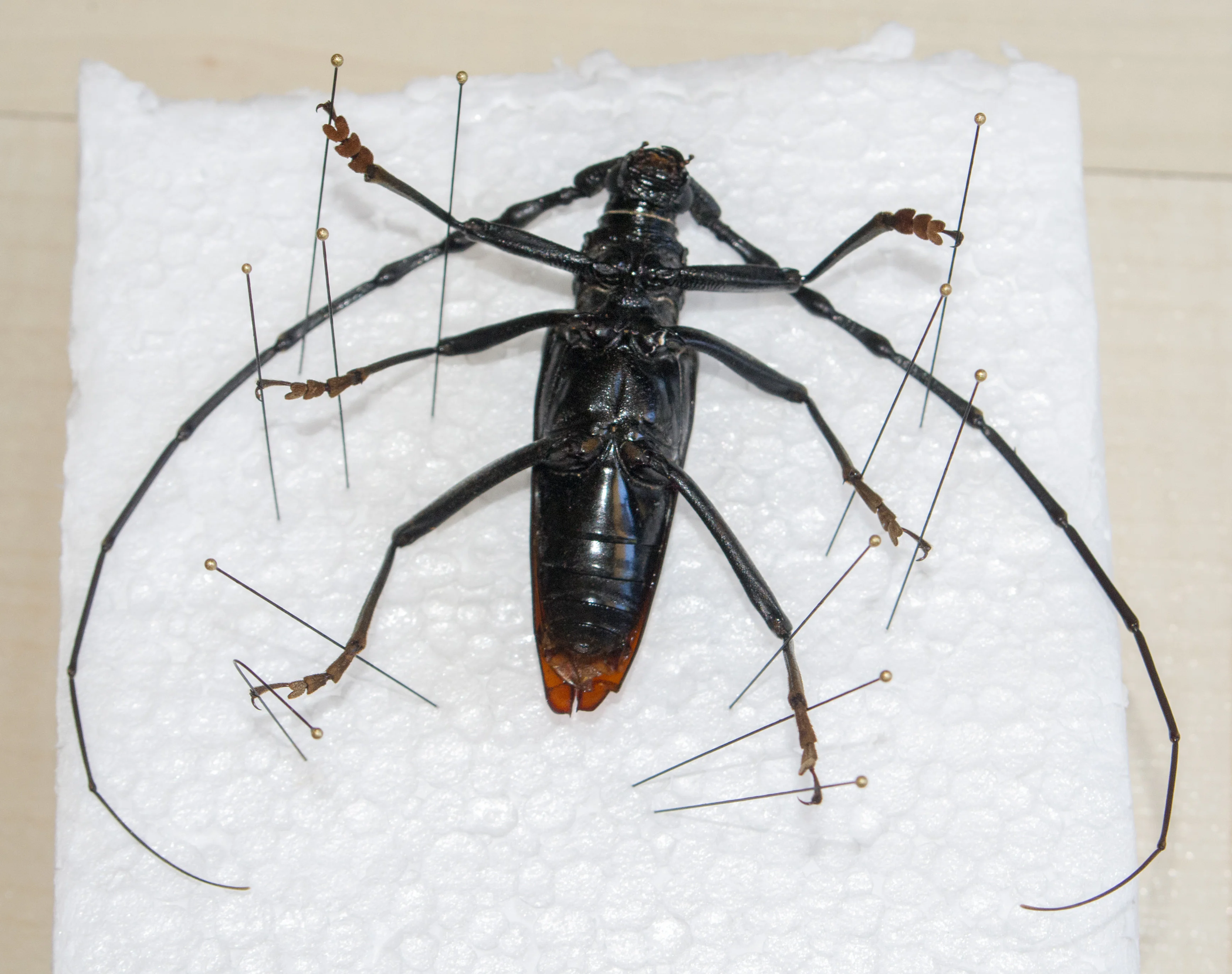
How to create impressive macro scenes? Learn techniques for softening dried-out dead insects, posing them with needles, and creating realistic scenes from A to Z.
Looking for an alternative to Laowa lenses? Discover how to use everyday lenses like the Samyang 14mm, Pentax 28mm, and Nikon 20mm for wide-angle macro photography with helicoid adapters and extension tubes.
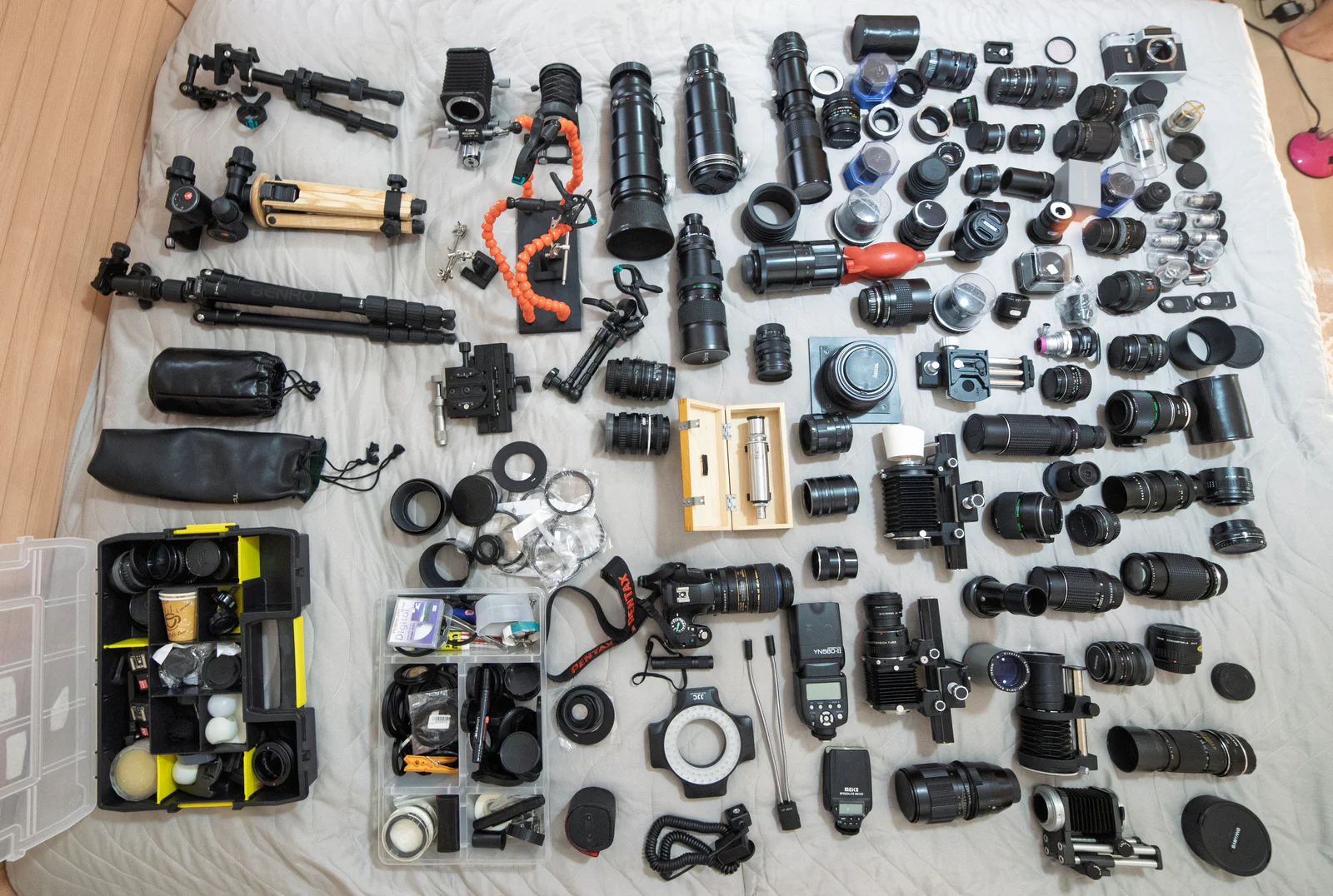
Which lens and equipment should you choose to get started in macro photography? A comprehensive guide from A to Z to help you find the right lens for your budget, goals, and shooting style.
Don't underestimate your 18-55mm kit lens! You can take impressive macro photos using reverse mounting techniques, DIY solutions, and focus stacking. A step-by-step beginner's guide.
Get rid of annoying reflections on insects in macro photography. Discover the use of circular polarizing (CPL) filters in natural light, their challenges, and practical solutions for mirrorless cameras.
Discover the reasons behind fogging, color fading, and loss of sharpness in your macro shots. Eliminate internal reflections using simple methods like light traps to increase contrast and sharpness.
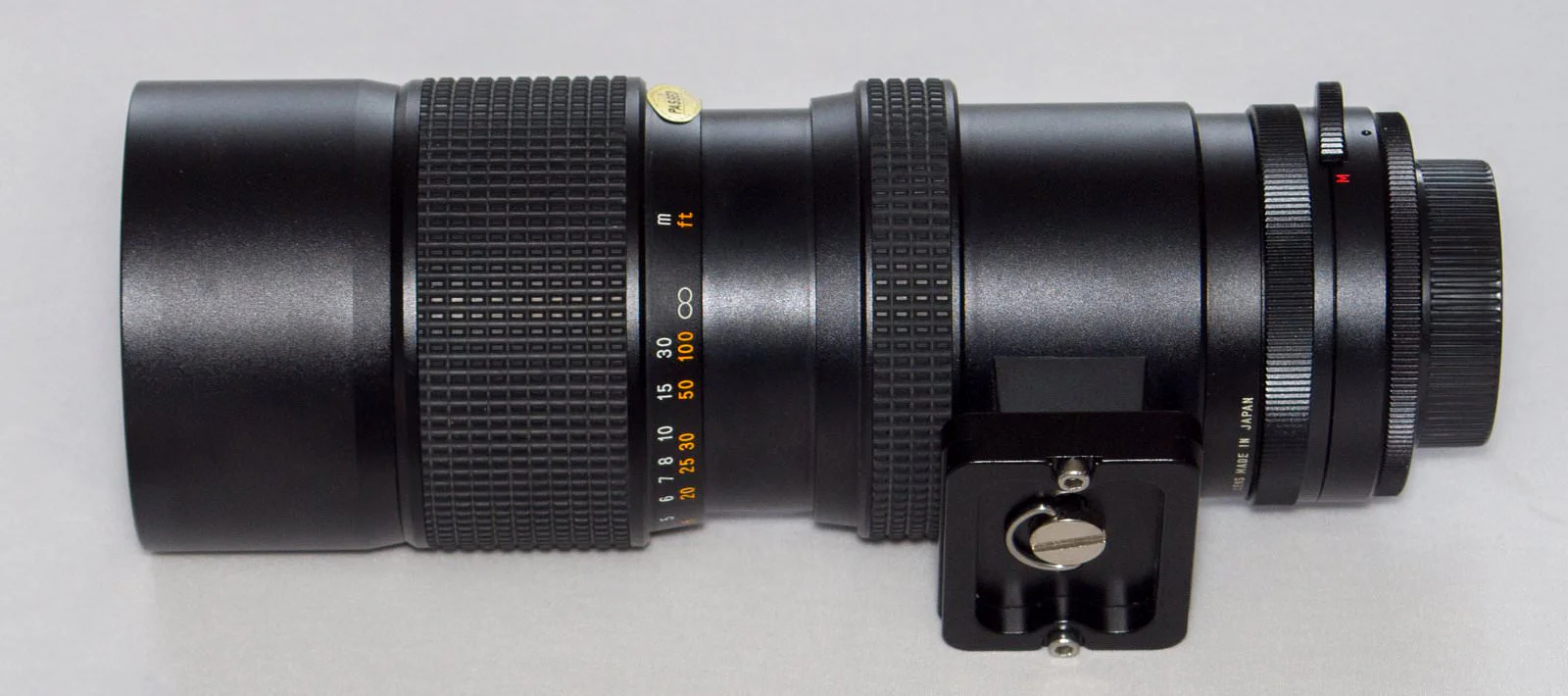
Are expensive lenses necessary for macro photography? We tested what can be achieved with a cheap telephoto zoom lens (Tokina 80-250) and Raynox DCR-250, which are generally not recommended. The results are surprising! A beginner's guide to macro photography on a low budget.
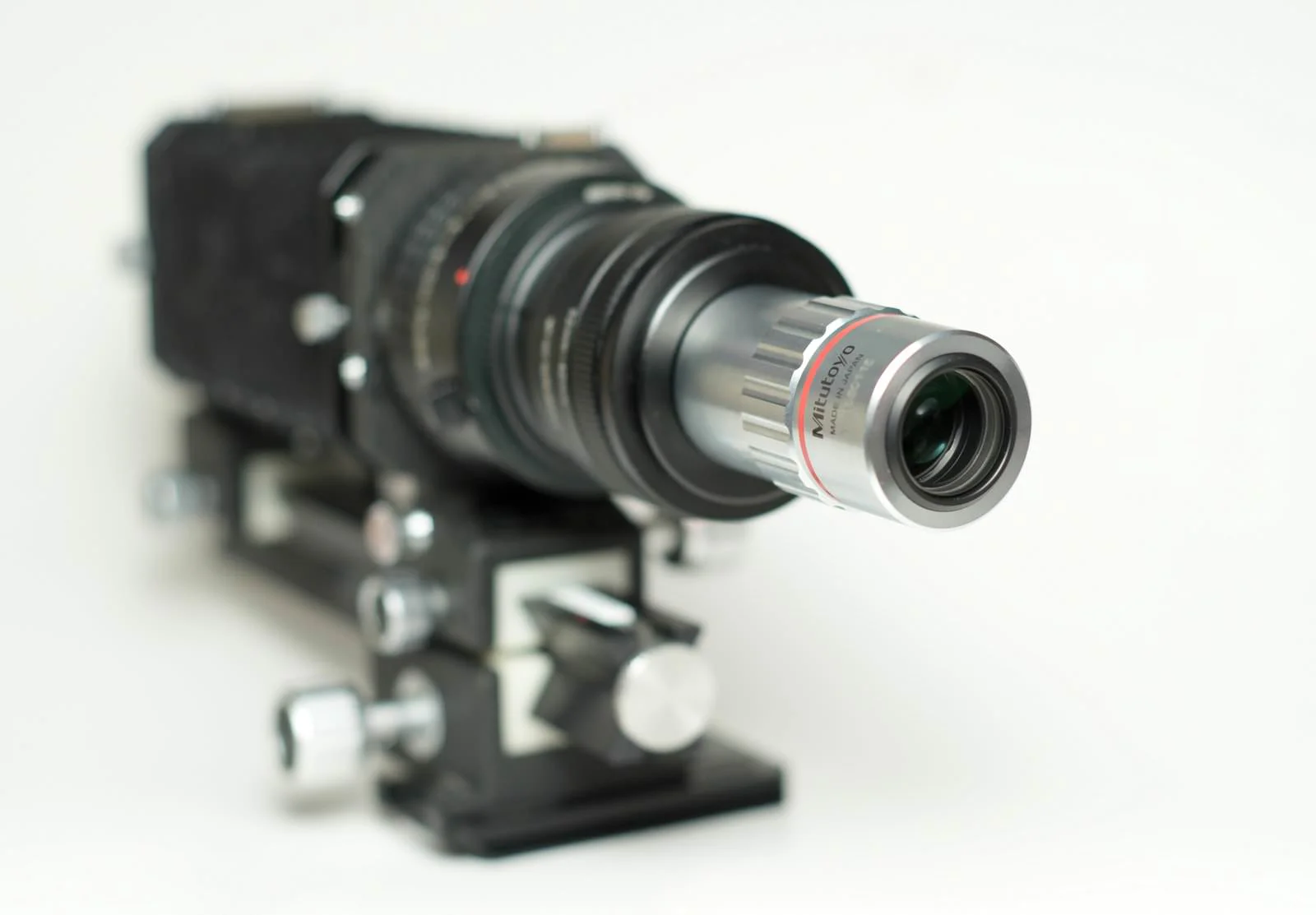
Push the limits of macro photography with the legendary Mitutoyo M Plan Apo lenses. A comprehensive guide covering tube lens selection, flexible setup with Raynox, external diaphragm technique, and all adapters.
Discover the secrets of taking macro photos with focus stacking in natural light during winter. Techniques for capturing motionless insects, outdoor studio setup, and equipment recommendations.
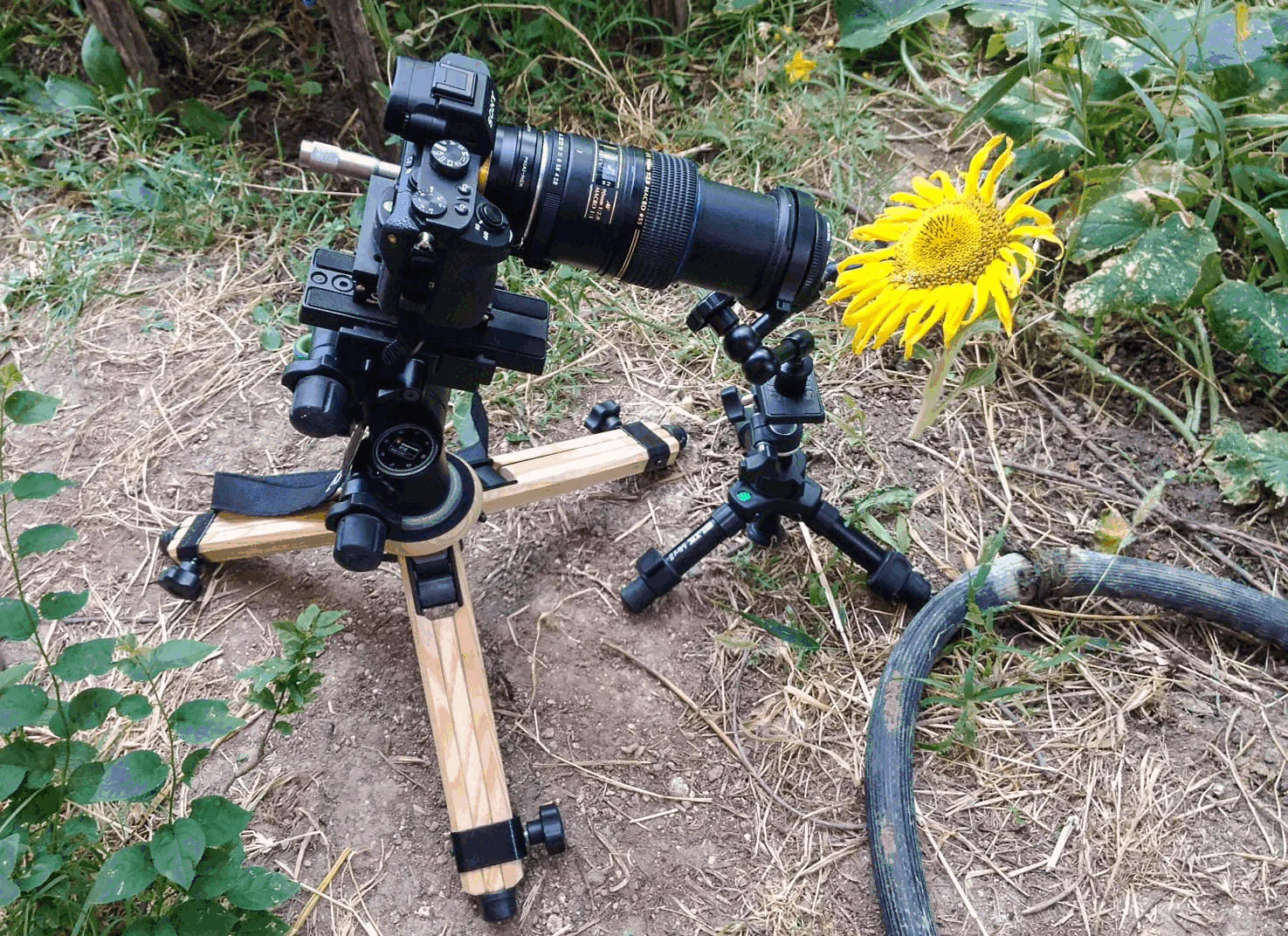
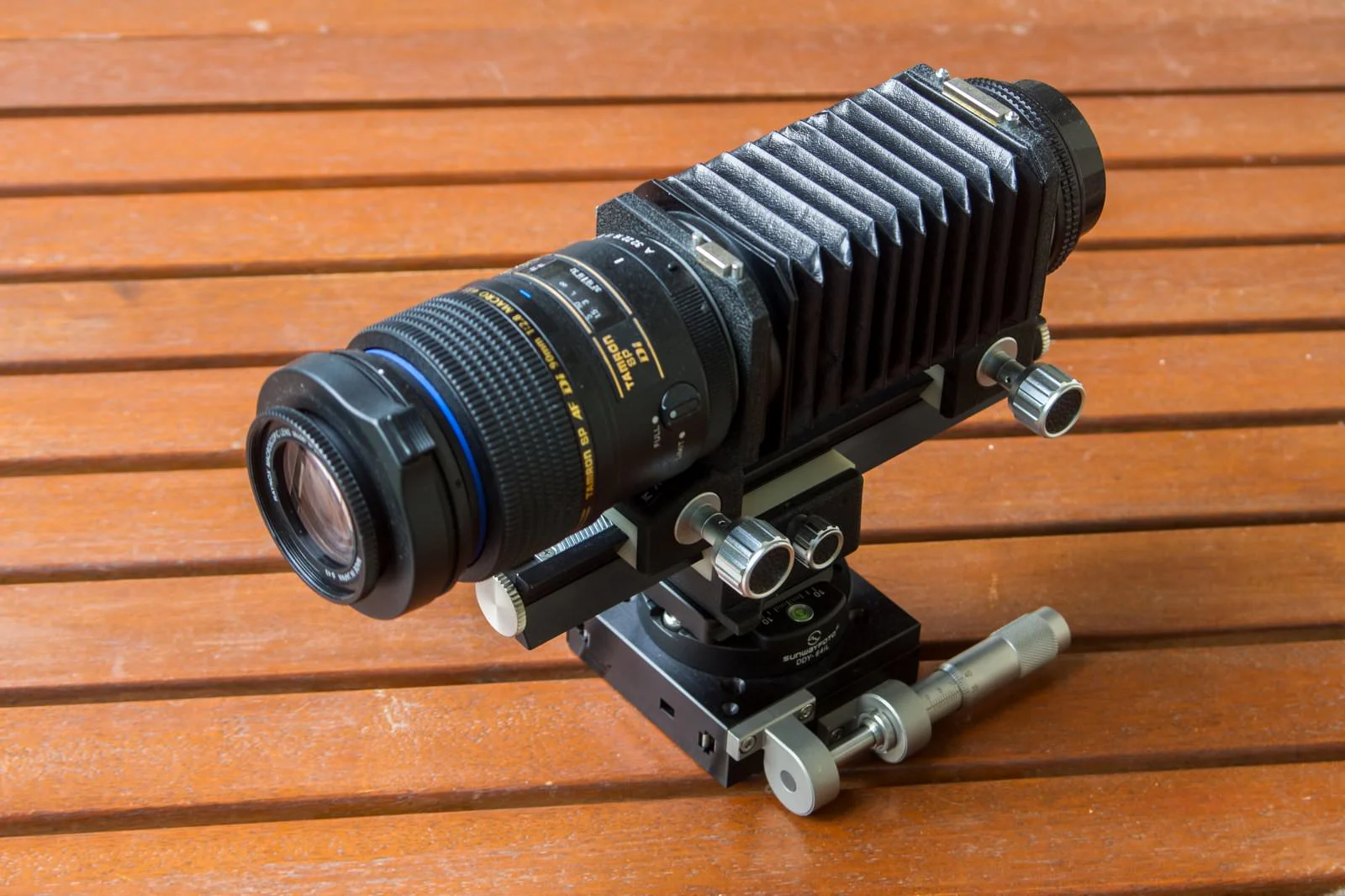
How to choose the right tripod, tripod head, macro rail, and holder to photograph even objects as small as a fly in natural light without blur or distortion? Practical equipment recommendations and setup tips.
Discover step by step how a photo is created using the focus stack technique at 3X magnification. All the details of the shooting moment, frame selection, sorting, and merging process.
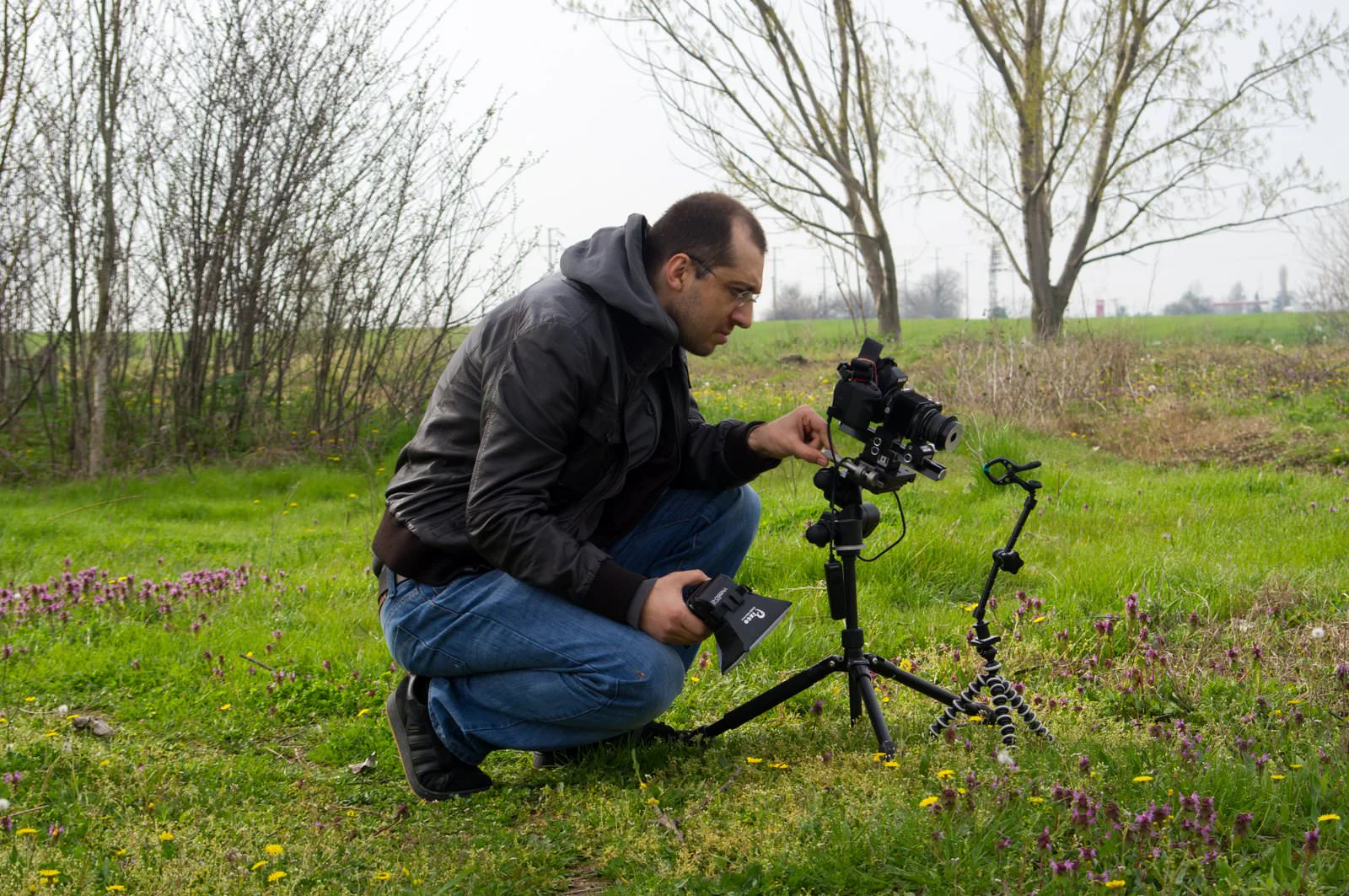
The challenges of macro photography with natural light: the story of a day spent dealing with wind, insect movement, and inadequate equipment. Practical lessons for beginners and an equipment checklist.
Is it possible to take macro photos without using a flash? All the details of the first attempt using natural light, the equipment used, and the focus stacking results. Discover the story of switching from flash photography to natural light.
Get rid of annoying reflections and glare in your macro photos. Learn how to achieve sharper details and richer colors in your insect and flower photos using the cross-polarizing technique.
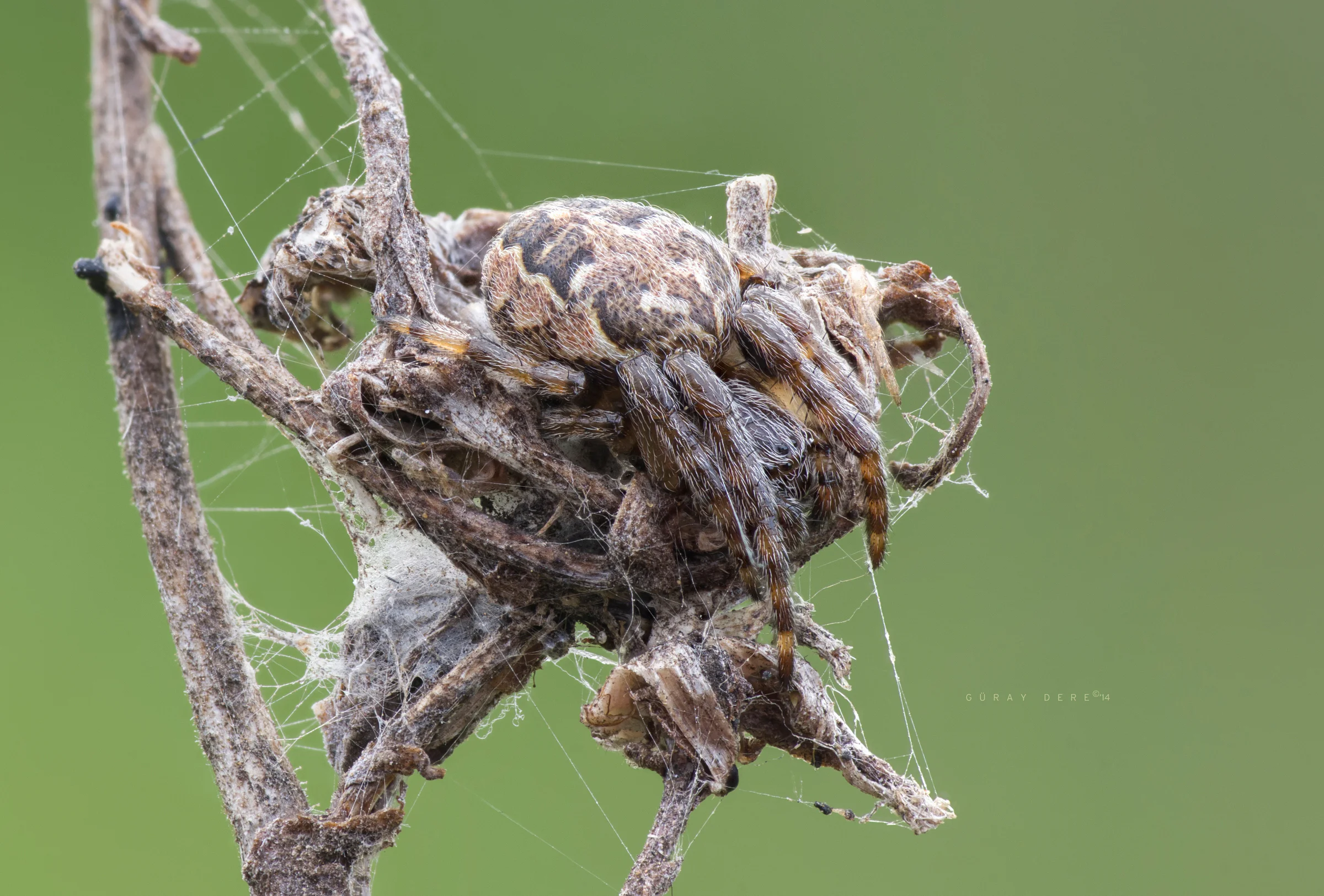
A solution to one of the biggest problems in macro photography: shallow depth of field. Achieve sharp images from front to back by combining multiple photos using the focus stacking technique. Learn about studio and handheld shooting applications and their challenges.
How to choose the right focus rail for perfect sharpness in focus stacking? A guide to finding the best macro focus rail, from step calculations to equipment selection, from Chinese-made rails to Newport Linear Stage with micron precision.
What you need to know to take macro photos without using a flash. Discover the advantages of natural light, the challenges of long exposure and vibration, and the importance of camera features such as EFSC. Learn how to get the best results with a tripod, focus rail, and other auxiliary equipment.
Is it possible to do focus stacking in the field using only natural light, without a flash? Discover all the details of a three-day experiment, from rainy weather to sunny mornings, including the challenges encountered and the successful results achieved.