Macro photography magnification ratios

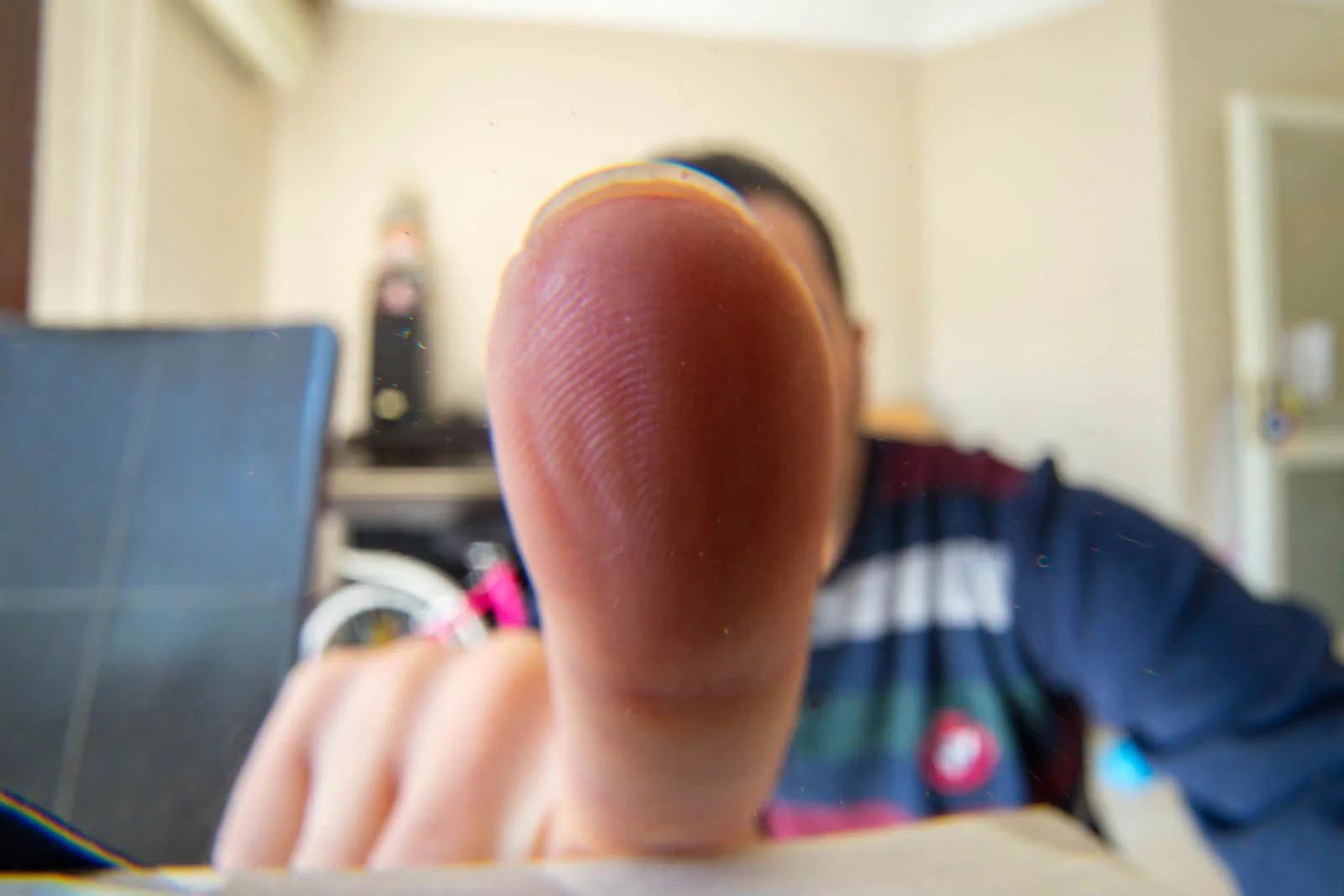
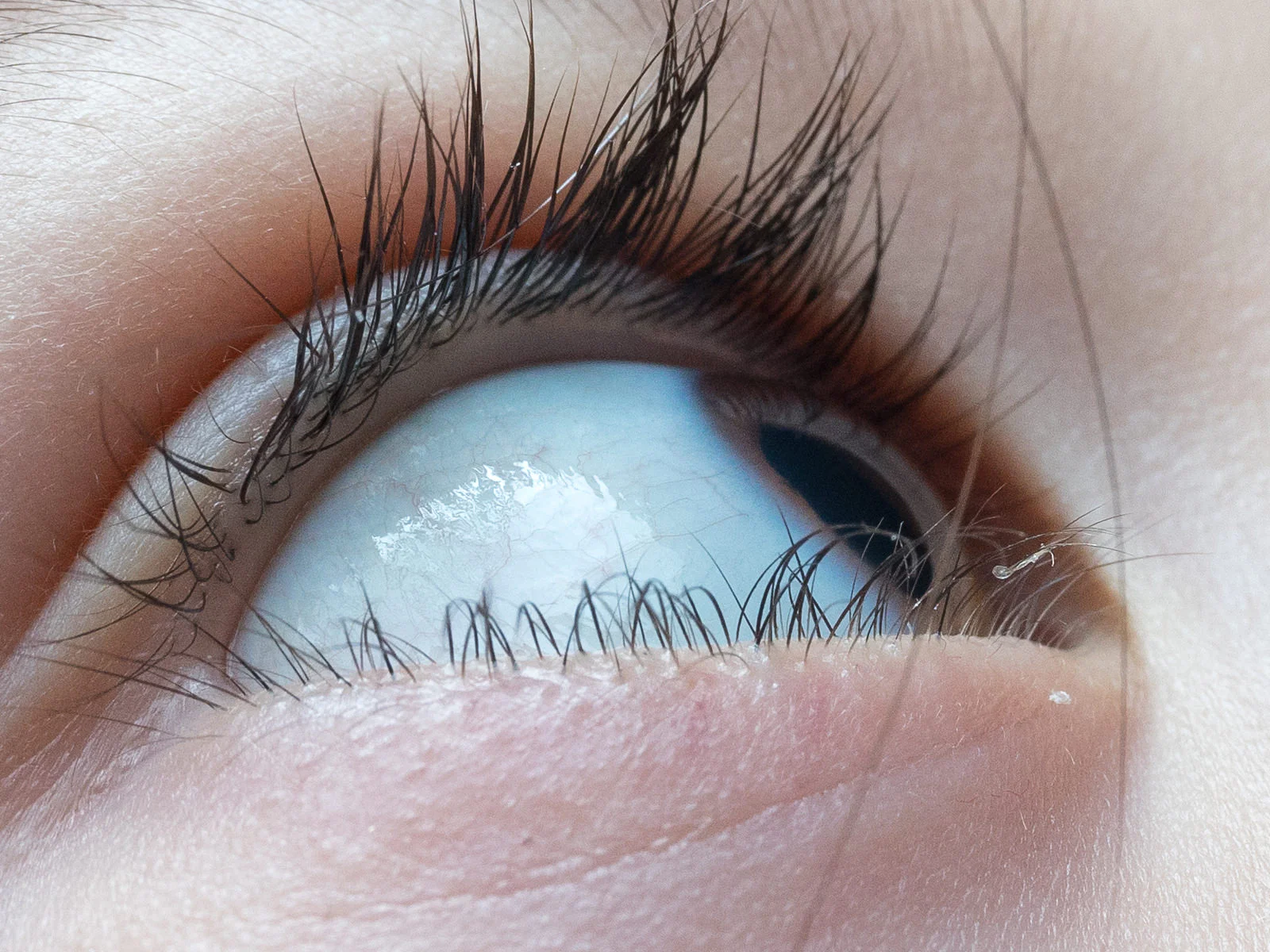
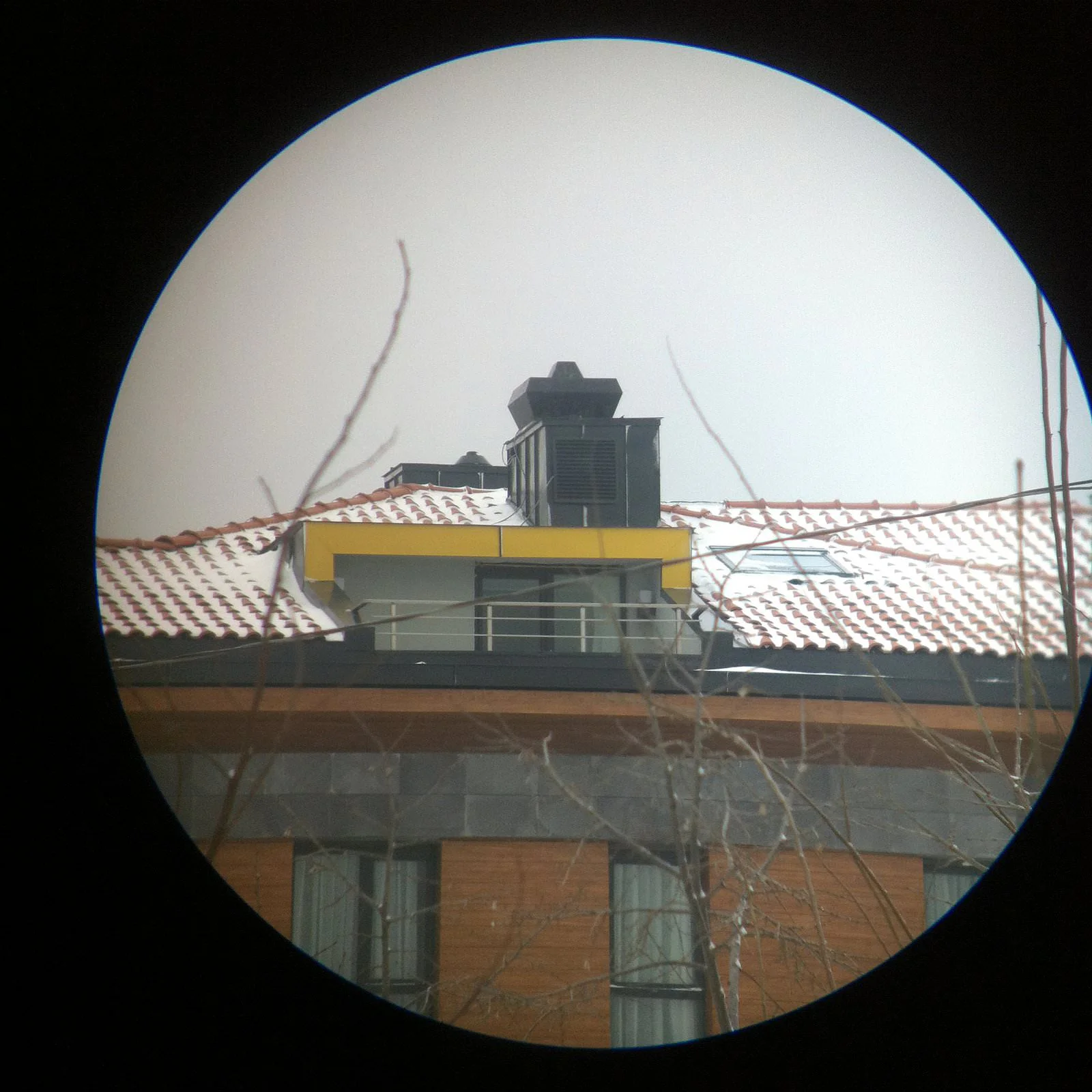
Which of the photos below is a macro shot and which isn’t? Don’t forget your guess. The answer is below.

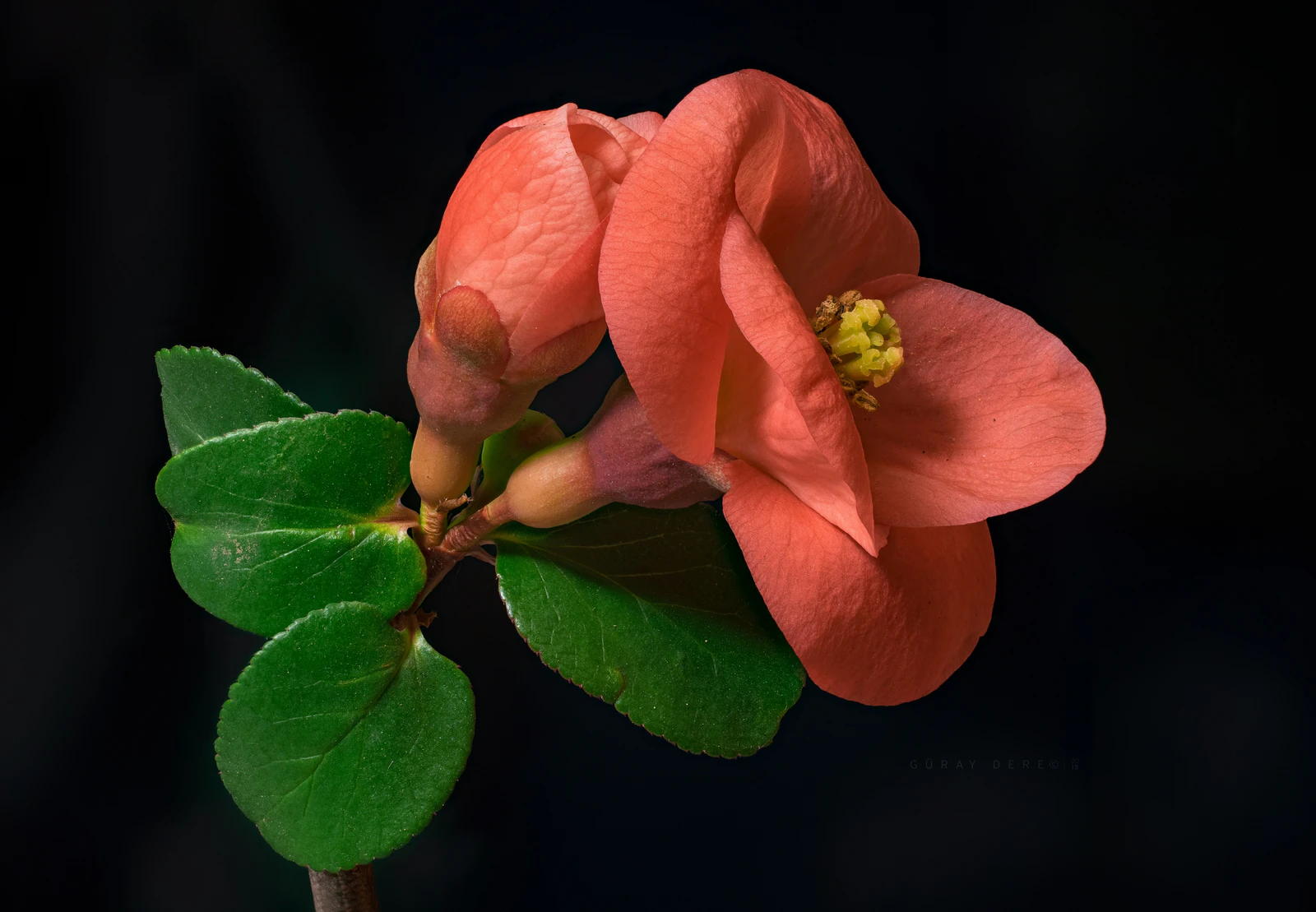
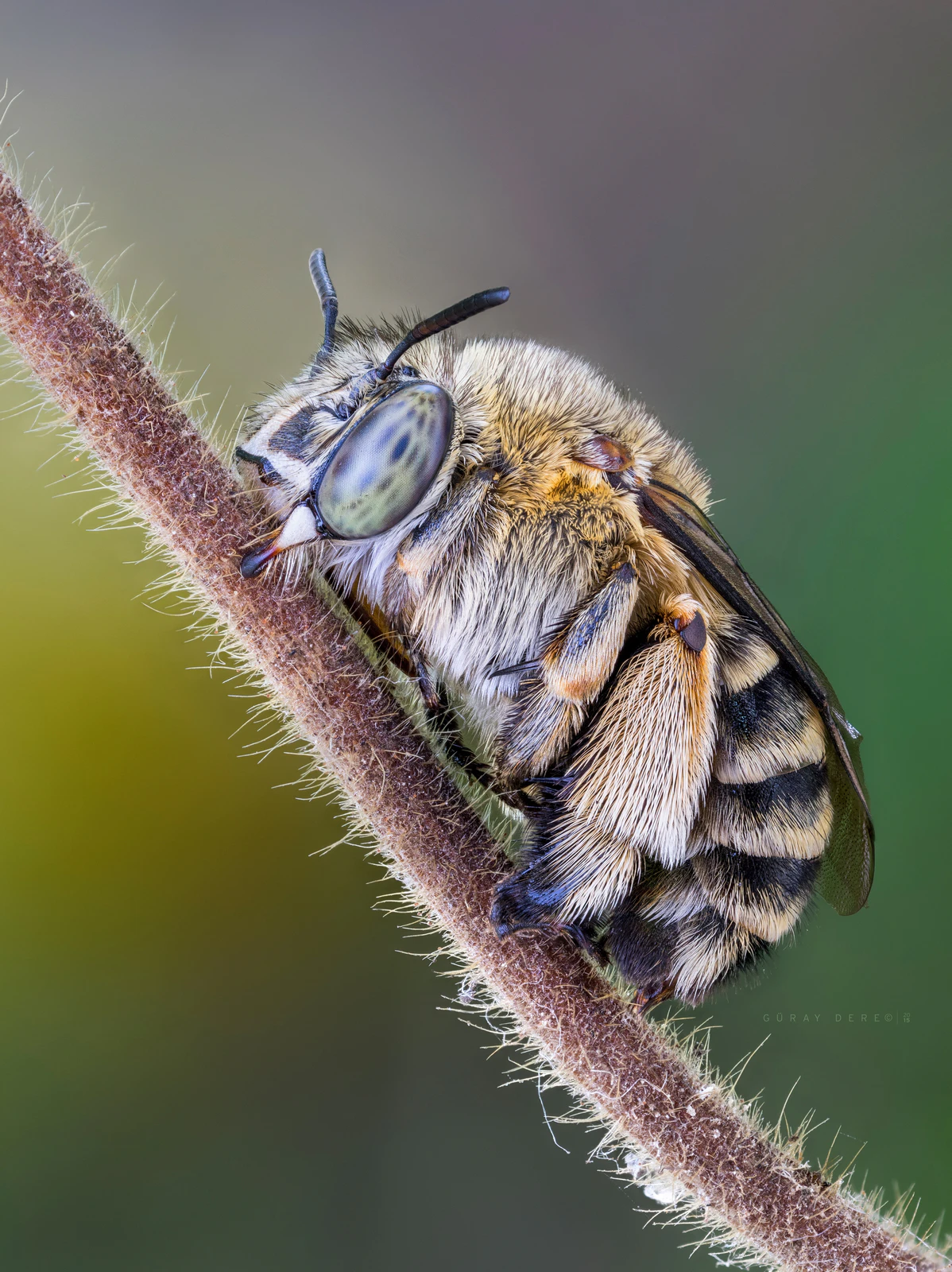
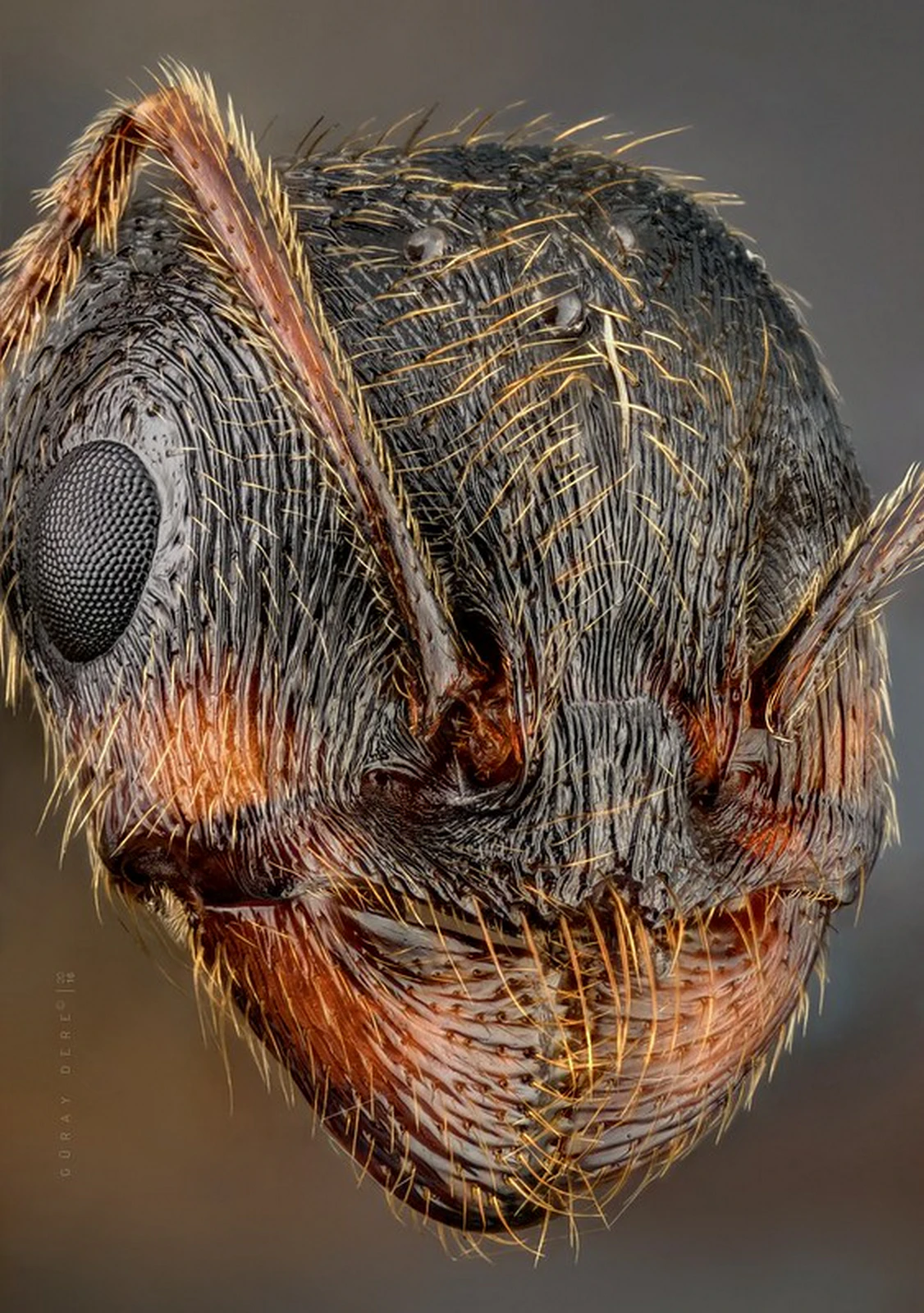
Generally, when we see a close-up subject like a flower or an insect in a photo, we label that photo as macro. We don’t pay much attention to the magnification ratio. This has no importance when describing a good photo, but if we’re dealing with macro, we need to know it as a definition.
Back when I used a compact camera, I did plenty of close-ups. With a lens that could get as close as 5 cm, I got quite satisfying images. I wasn’t thinking about what could be done or used for more detail. I also hadn’t seen examples of professional macro work. When I got too close, the bugs would fly or run away; the closer I could get without scaring them off, the more detailed an image I had. That was the whole issue.
So how much can we magnify? Is every close-up photo we take a macro?
In macro shooting, the first decision we need to make is this: Framing or magnification?
If we’re approaching more from an aesthetic perspective and capturing the entire subject along with its surroundings, framing is more important for us. We work with whatever magnification ratio creates the framing we want, which usually corresponds to low magnifications. We use general-purpose equipment that can operate at different magnification ratios.
If we’re focusing on detail, we choose our equipment for a specific magnification value and try to create a suitable frame at that magnification. Although bellows or helicoid tubes provide some flexibility for variable magnification, it’s usually within a narrow range. That’s why we deal more with a specific part of the subject—like a portrait of a fly, for example.
I classified some magnification ratios according to the nature of the equipment used and the difficulty of working with them.
Close-up - Close shot
Generally, wide-area shots where we prioritize framing fall into this scope. By definition, if we’re doing less than 1:1 magnification, we should call these close-ups. For example, since a butterfly’s size is naturally much larger than our camera’s sensor, we can’t do 1× magnification to fit it entirely into the image. 0.25× or maybe less will be appropriate.
All photos we take by moving closer with non-macro lenses or by shooting from a distance with telephoto lenses fall into this class. Most zoom lenses labeled “macro” actually work below 0.5×, so they’re not truly macro lenses. These lenses—which I might call half-macro or pseudo-macro—are sold under the “macro” name as a marketing tactic. They’ll be referred to here as close-up.
And again, with true macro lenses we don’t always shoot at full magnification. If the shot is below 1:1, we’ll call it a close-up photo.
Some sources include 0.5× magnification in the macro definition, but I consider it close-up.
1:1 Magnification
As I learned long after I started taking photos, there’s a defining threshold in macro shooting: 1:1 magnification, in short 1×. The threshold that determines whether a photo is true macro passes through 1× magnification. 1:1 magnification is called true macro.
When we say 1×, it doesn’t sound impressive. If we’re enlarging something by one times, it’s as if we aren’t enlarging it at all, right? :) Then we need to interpret it another way. Here’s what 1× magnification is: Whatever the subject’s real-world dimensions are, when we focus on it, the size of the projection formed on our camera’s sensor is the same. That is, if you’re shooting a 1 cm fly, a 1 cm image will be formed on your sensor.
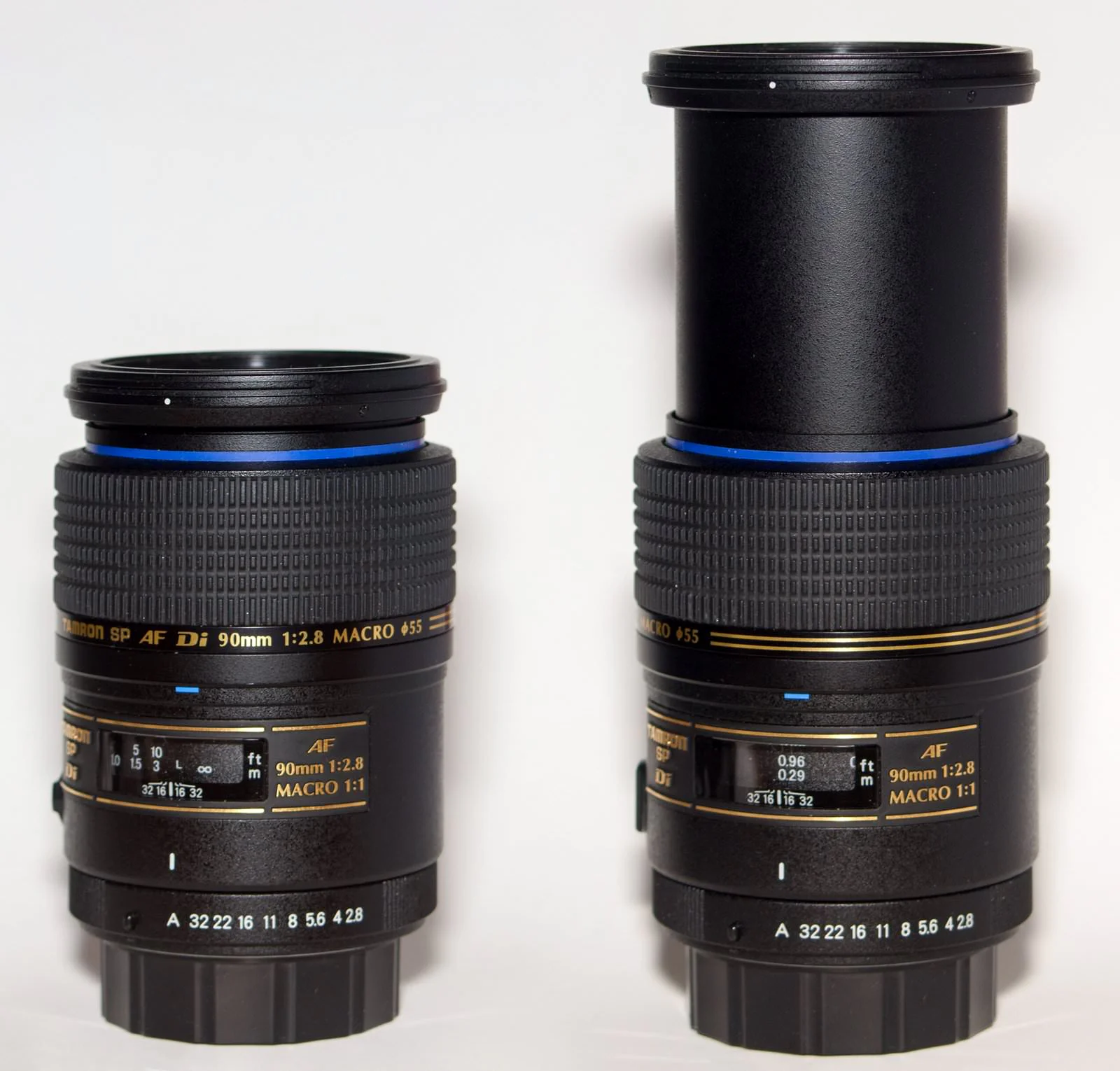
In the sample photo below, the lens system I’m showing is probably working above 1× magnification, but that doesn’t matter. Assume it’s a 1:1 macro lens. We’re emphasizing that the insect’s size and its sensor projection are the same size.

23.6 mm ---- 4352 pixels
10 mm (fly) ------ ? pixels
calculating by proportion, we see the 1 cm fly at 1844 pixels with the Pentax K-x at 1:1 magnification. From there, we also have the chance to calculate the real size of any object we shoot at the same magnification ratio. For example, if the same fly’s eye appears as 400 pixels in the photo we took, in real life this would be (400 × 23.6/4352) = 2.16 mm.
With such calculations, you can measure the sizes of extremely small subjects like paramecia, pollen, or mites.
Above 1:1 magnification
At this point I’ll skip the definitions, because the real fun begins above 1× magnification. There are sooo many different methods to reach these magnifications. You end up on a road with no end. You can find the things I’ve tried in other posts.
The 1×–4× range gets progressively harder, yet it’s still at levels where we can shoot handheld and not lose our freedom to wander through gardens. In fact, 4× is hard enough to make you tear your hair out for handheld :) Releasing the shutter without shaking, with breath control, isn’t very different from marksmanship. For those with firearms experience: if you weren’t a good shooter there, you’ll probably give up at 4× in handheld shooting.
Above 5× magnification
Beyond this level, it’s done in a controlled environment with fixed setups and good lighting. You immediately realize you’ve entered a completely different world, and you await the result of each photo with great curiosity. Because what you’ll see are things you can no longer see with the naked eye. Surprises await you…
For example, while shooting the 8× photo below expecting to see details belonging to an aphid, I encountered a mother and a baby :) The baby aphid was mistaken for a speck of dust to the naked eye.

Above 10× magnification
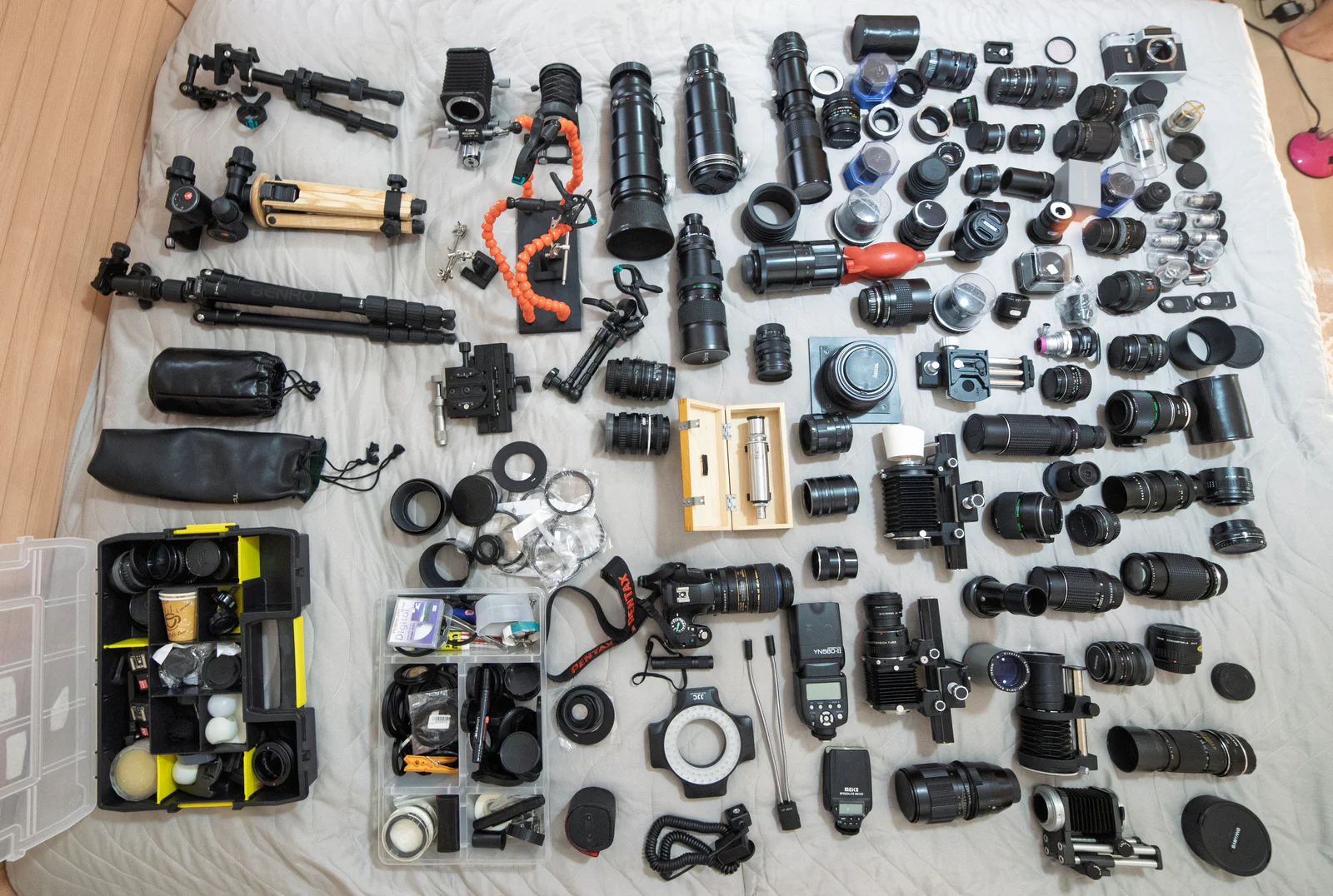
Beyond 10×, the things we attach to our camera look like they came from space :) In fact, we’re using more laboratory instruments. The name of the work changes too; we now call it photomicrography. There are other terms as well. We attach microscope objectives or certain industrial lenses. Even a tripod can’t provide the vibration-free environment we want. We have to firmly fix our camera and subject. We use a remote release for the shutter. For focusing, precision micrometer rails do the job.
After switching to mirrorless bodies, I escaped the disruptive effect of mirror shock and realized that at very high magnifications such a system is almost mandatory. You can find other articles on the site about this.
After a general look at magnification ratios, we can now look back up and answer the question I asked in the first sentence.
- Close-up
- Close-up
- 1:1 macro
- 10× macro (photomicrography)
How is the magnification of the captured photo measured?
Having talked numbers, let’s move on to how we’ll measure magnification value in practice. The setups we use in macro shooting are limitless in variety. With the attachments we use, we constantly change magnification. It’s impossible to estimate how many × magnification we’re getting each time without testing.
Sometimes our job is easy. If we’re using a 1:1 macro lens, we know the magnification it gives at the minimum focusing distance is 1×. Or a special lens like the Canon MP-E 65 will give us the magnification value in the 1×–5× range on the lens and in the EXIF data. But what about this situation? We mounted a reversed 40 mm enlarger lens on a bellows extended to 200 mm. Or we placed another 50 mm lens reversed in front of a 200 mm lens. What’s the magnification now?
We need to measure it. For the measurement we need a piece of paper, a ruler, a pen, and to know our sensor’s width. And of course, to take a photo.
For example, the sensor width of the Sony A7II body I’m using now is 35.8 mm. If I draw a line on paper of that length, that will be my 1× line. If, in any lens system, when I look through the viewfinder the 1× line exactly fills the frame, it means I’m at 1× magnification at that moment. At 1:1 magnification, the size of the object we photograph and the size of the image on the sensor are the same. Therefore, a 35.8 mm line will exactly fill the 35.8 mm sensor.
When I shoot at 2× magnification, the line that should fill my frame is the one exactly half the length of the previous line. In this way, when we draw proportioned lines to match our body’s sensor width, we get a sheet like this.

I created these lines in another project by specifying precise dimensions in Photoshop, and I made them for magnification values up to 40×. When I print this on a printer, I have a scale sheet. Now all I have to do is, in any lens system, look at this sheet through the viewfinder and find which line fills my frame. That will show me the magnification value at that moment. I recommend keeping such a sheet handy.
If a computer environment or printing doesn’t suit you, pen and ruler will do. You don’t even have to mark the high magnifications. In practice, making it up to 10× is more than enough. As an easier option, you can use graph paper. Then you won’t even need a ruler. You can always measure how much magnification you’re shooting with just by looking through the viewfinder.