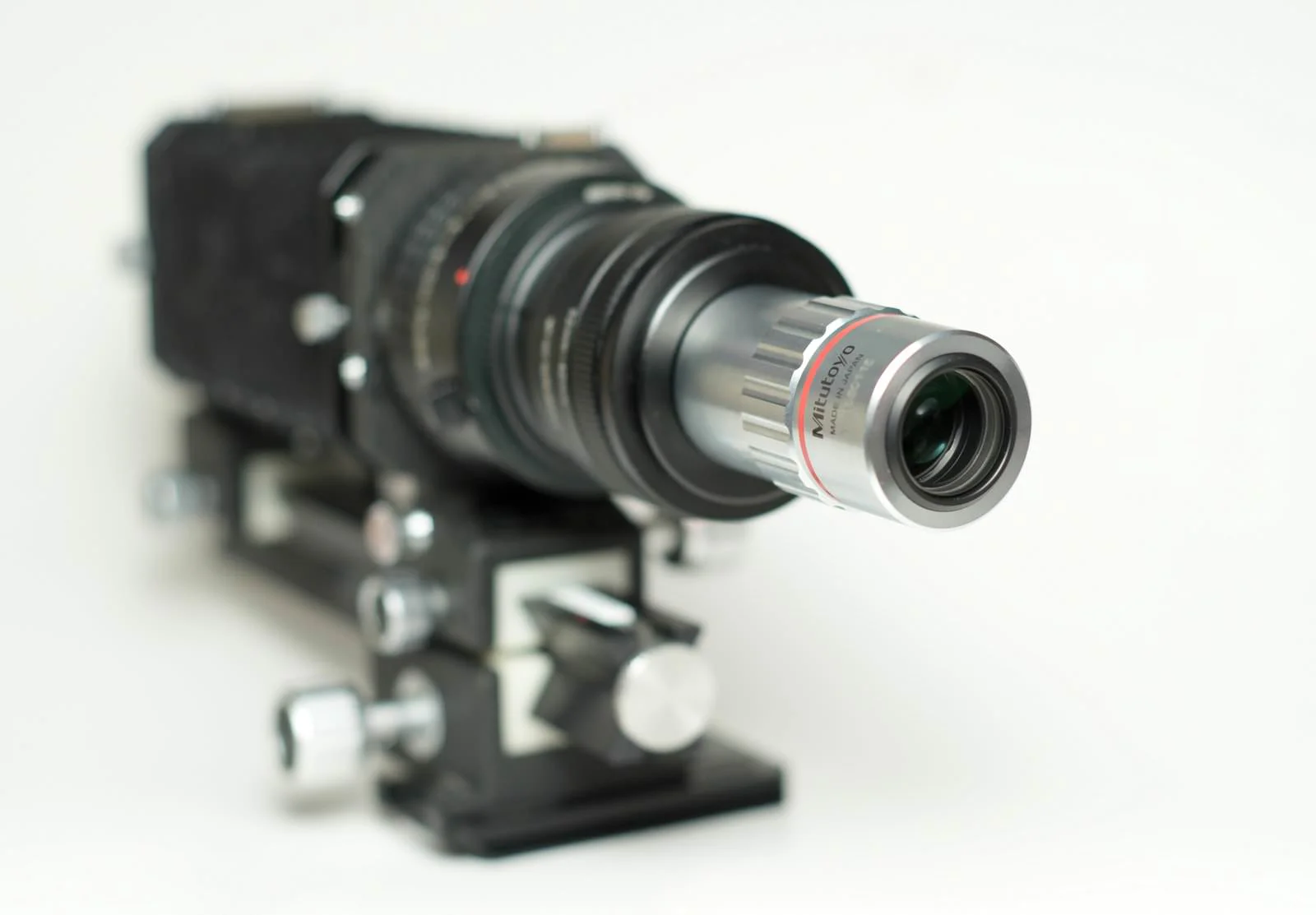
Using a polarizing filter in natural light
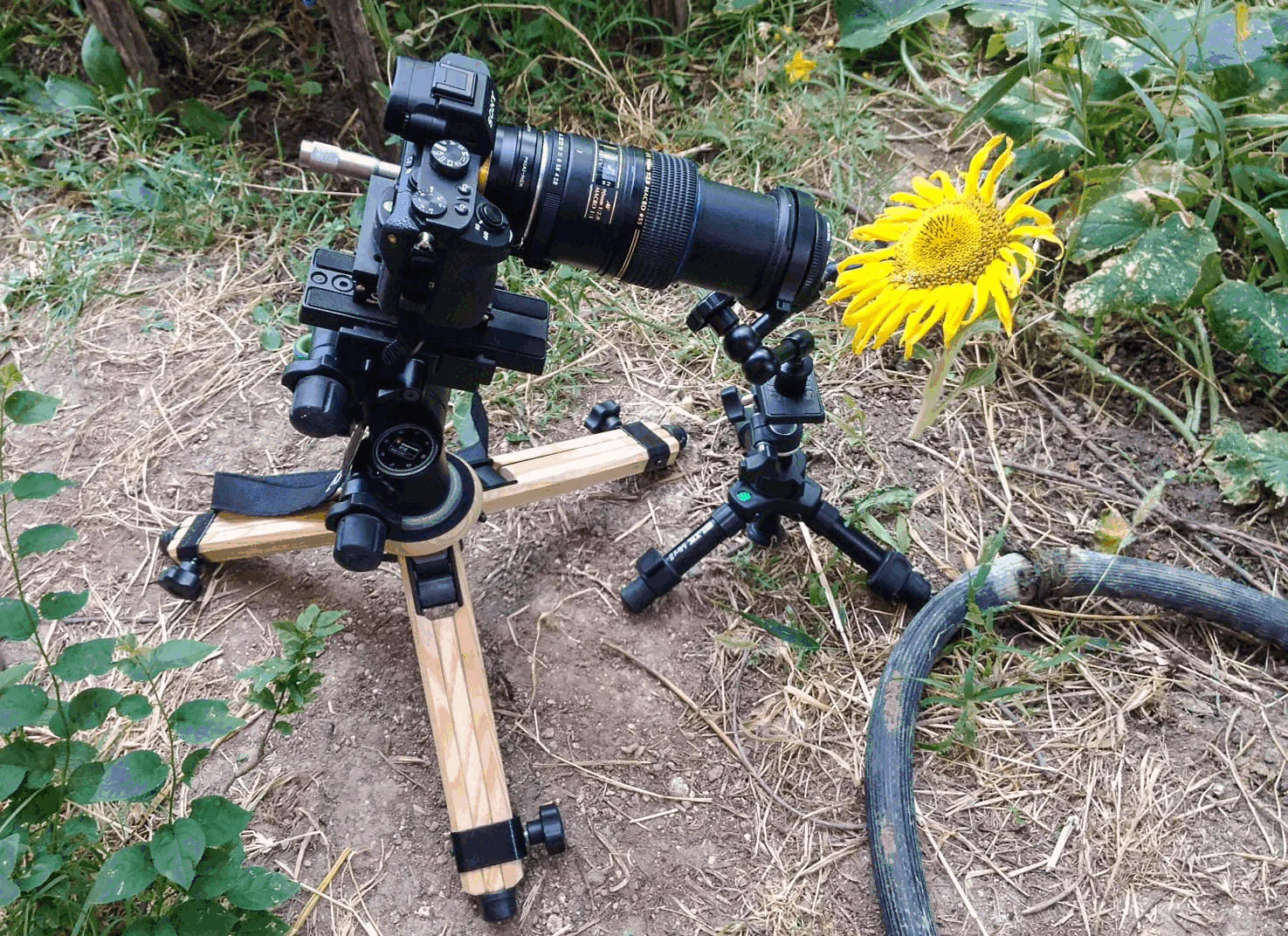
I’d tackled the use of polarizing filters once before. It was a long time ago, and I was using flash for all my macro shots. That’s why I published a piece on a technique that brings flash into the mix: cross polarization.
Recently I updated that article and mentioned I wanted to try something: using a polarizing filter in natural light. I finally got the chance to test it.

As a reminder, polarizing filters mount on the front of the lens and can be rotated. As the filter turns, its working angle changes and it cuts light that’s reaching you via reflection from certain angles. That lets you photograph what’s behind glaring glass, or see into what would normally mirror back at you—like a puddle. Just set the filter to the right angle and trim the reflections.
In macro, harsh reflections off shells and eyes can hide colors and detail and produce an image that’s hard on the eyes. To prevent this, we put a diffuser between the light source and the subject to block direct light. Thanks to the diffuser, light arrives from various angles in a scattered way, giving very soft illumination and revealing hidden saturated colors. After a point, it stops being about which lens/body you use and becomes all about “how can I make better use of the available light?”
Of course, old habits die hard. A diffuser means extra hassle in the field—extra holders, maybe a mini-tripod. If I compare the times I use a diffuser to when I don’t, there’s a big gap. I realize I get lazy about using a diffuser in the field. So what do I do?
First off, I never work under direct sun. I always need shade. At the golden hours for macro—sunrise or sunset—it’s much easier to find those conditions. Everywhere’s in shade anyway. And the insects are calm. If it’s cloudy, even better—what’s a better diffuser than a cloud? So, can we improve those conditions further?
Even if I shoot in shade, the direction where the sky is open, or where the main light slips through gaps in the trees, is often too bright. That brightness shows up on the surfaces of the insect facing that direction. Sometimes it’s pleasing—because it brings out natural glossy texture—but other times it’s distracting enough that you won’t get a good result without a diffuser.
That’s where the idea of using a polarizer starts to get interesting.
Even in the shade, light coming from clear blue patches of sky is naturally polarized because it’s scattered by molecules in the atmosphere. Our filter can cut this “sky sheen” that reflects off the insect.
This isn’t my first time with a polarizer. I and some friends had already tried it for macro. Masters I follow online had similar experiments. For some reason, though, the consensus wasn’t very positive. There are a few reasons for that.
Issues with CPL filters
- Polarizing filters are dark. Put a dark piece of glass in front of a lens and naturally less light gets in. Exposure times get longer.
- For the same reason, the viewfinder gets darker. If the light isn’t great, focusing gets a bit harder.
- The filter’s angle is what you use to cut reflections. If you can’t perceive the change as you rotate it, it won’t help. In a macro setup with already soft light, that change is unfortunately very hard to detect. Nearly impossible just by looking through an optical viewfinder.
- When sharpness is everything, we risk reducing acuity by putting glass in front of the lens. If you get light bouncing between the filter and the front element, it can cause unwanted veiling flare. Some filter brands stand out—compared to ordinary filters, Marumi’s high-quality DHG and Super DHG coatings do a good job taming reflections. With good filters it’s as if the glass isn’t there, with no loss of sharpness.
- Filters of insufficient quality can shift color. For example, with an old polarizer I tested, tones skewed blue.
- If your lens has a rotating front during focusing, be careful. After you set the CPL, if you change focus to reframe, the filter will rotate with the lens and your setting will be lost. You’ll need to re-adjust or you won’t get results. Thankfully, such lenses are in the minority—but still worth the reminder.

To avoid issues with DSLR focusing and metering systems, CPL filters have become the standard—best to avoid old-school “linear” polarizers.
Solutions
For the reasons above, I didn’t use polarizers much. My cousin Kerem went further and said he’d never use one again. In short, polarizers aren’t exactly darlings in macro.
So what changed? Why try again now?
I switched to a mirrorless body. Mirrorless has lots of advantages. Personally, I have no desire to go back to the old mirrored system.
- When you attach a polarizer, the image doesn’t darken. Mirrorless bodies meter continuously and always present an image at the proper exposure. What you see on the screen is what you get in the photo. There’s no problem down to very low light. As light drops, the preview gets grainy, but it’s still bright. All that’s left for me is dialing exposure compensation—just deciding how bright I want it.
- We’ve got great helpers for focus. You can mark the in-focus area with peaking, and—my favorite—you can zoom in ~10× on a small region for very precise focusing, moving that magnified box anywhere you like.
- While rotating the filter, use that same magnified view to judge how much reflection you’re cutting. That way, nailing the right angle on the CPL is no problem.
My friend Bayram, who uses a DSLR, mentioned a different way to set the filter angle. He first takes the filter off, holds it up to his eye, and rotates it while looking through. When he finds the angle that trims the insect’s sheen to the desired level, he notes the CPL’s angle and places it on the lens without changing it, then starts shooting. I tried this too. It’s a clever workaround when adjustment is tricky.

Macro test with a CPL
Now for the story:
The hottest days of August. 38 °C, and I’m in the field at midday looking for any patch of shade. It looks hopeless—then clouds that herald a downpour a few hours later start racing in. Long-lived cloud shadows form—perfect for shooting. Back out I go. The goal: test the polarizer.
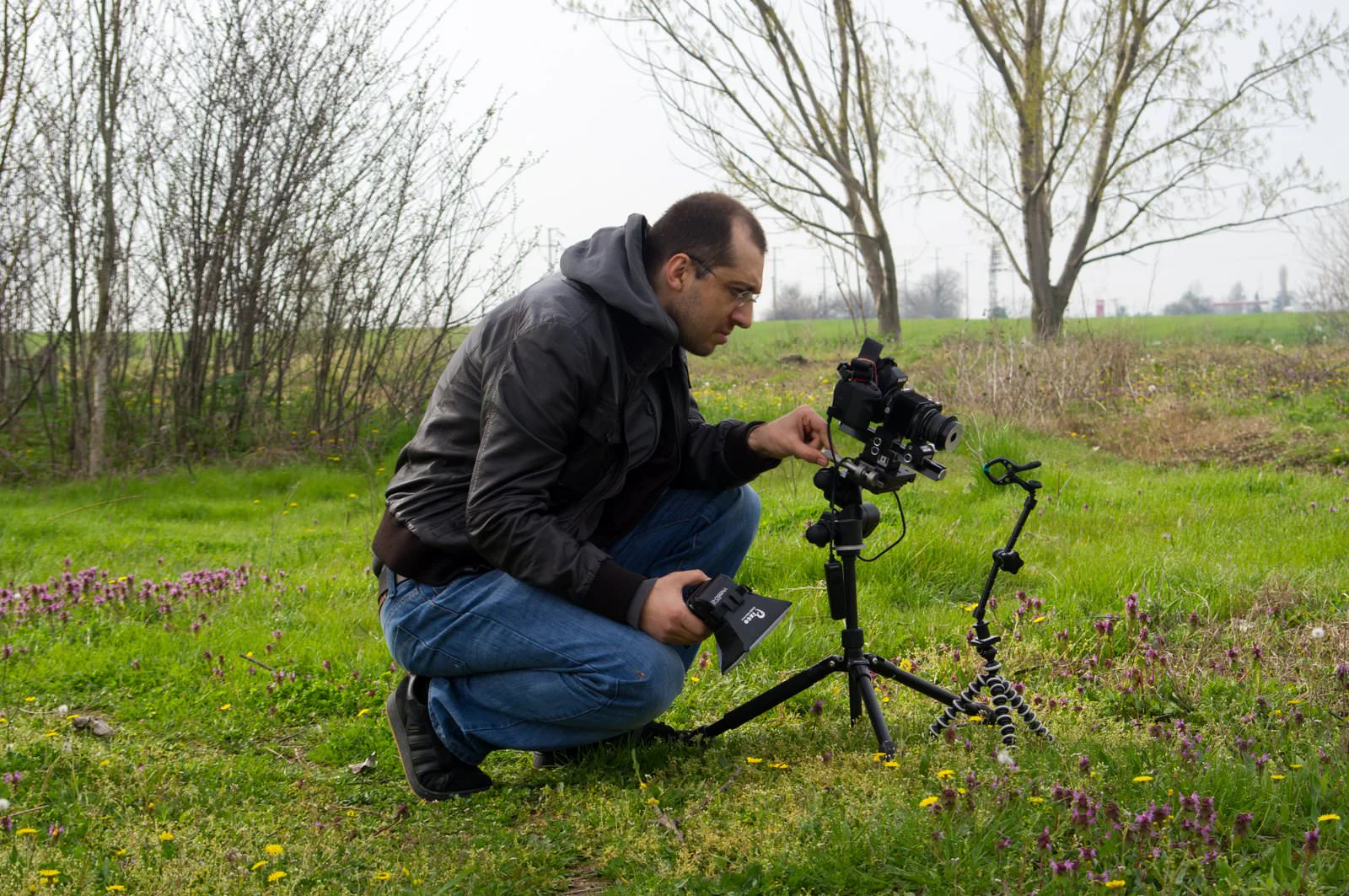
To escape the fickle light from passing clouds, I find a spot behind trees that stays in shade and set up the rig. Now I need a model that will fill the target clamp and stay still despite the heat. Bugs are plentiful—dragonflies, all sorts of flies and bees—but all of them are hyperactive. My wife helps with the search. We take a romantic stroll through the field… At the stream we pause for blackberries, a bit on edge and noisy—trying to scare off any snakes.

Passing the sunflowers, my wife calls out. Our model is right there. A crab spider, dressed to match the flower, lies in wait for prey. Motionless—just what I was looking for. I take out pruners and carefully cut the sunflower head without a tremor. The spider stays calm.
The setup is a little far away. Now I have to carry the sunflower there without shaking it. Picking my way across the uneven field on tiptoes like a ballerina, I must look odd and comical. Thankfully I reach the rig without stumbling. With the same care, I clamp the sunflower at the very top of the stem—the sturdiest spot. Cut plants wilt fast in the heat. If you don’t secure them at a firm point, the frame sags during the shoot as the plant slackens. You really have to watch for that. In a pinch, use two clamps to secure from both top and bottom.

I get behind the camera, make small tweaks—and realize the wind is stronger than I thought. I quietly grumble for about ten minutes before I can even start. There’s no solution but to raise ISO. In a scene where I’d normally use ISO 160 and a long exposure, I’m forced to go to ISO 640 and 1/25 s at f/6.3, or else I can’t hold focus because of the wind.

For the single-frame tests to gauge the filter’s effect, I use f/16 to boost depth of field. That pushes exposure to 1/3 s. I shoot when the wind lulls. These two CPL-comparison frames are what prompted this article. Look closely at the pair below. In the first, the filter angle is set for minimal effect. In the second, the filter is rotated 90° to cut reflections.


You can clearly see an improvement. Although both frames were recorded by the camera with exactly the same white-balance values, there’s a difference in tone. In the shot with reduced reflections, colors are more saturated. I applied the same light touch to both files and left them almost as they came out of the camera.
Let’s crop areas where the difference is easier to perceive and compare side by side. Pay particular attention to the bright reflective regions.


There’s a large reduction in reflections. One curious thing stands out, though: when we rotate the CPL to kill unwanted glare on one side, a bit of reflection appears in areas that previously had none on the opposite side. That shows the CPL reduces reflections on one side while increasing them on the other. But these new reflections are quite weak and don’t upset the overall balance.
The CPL delivers the desired effect
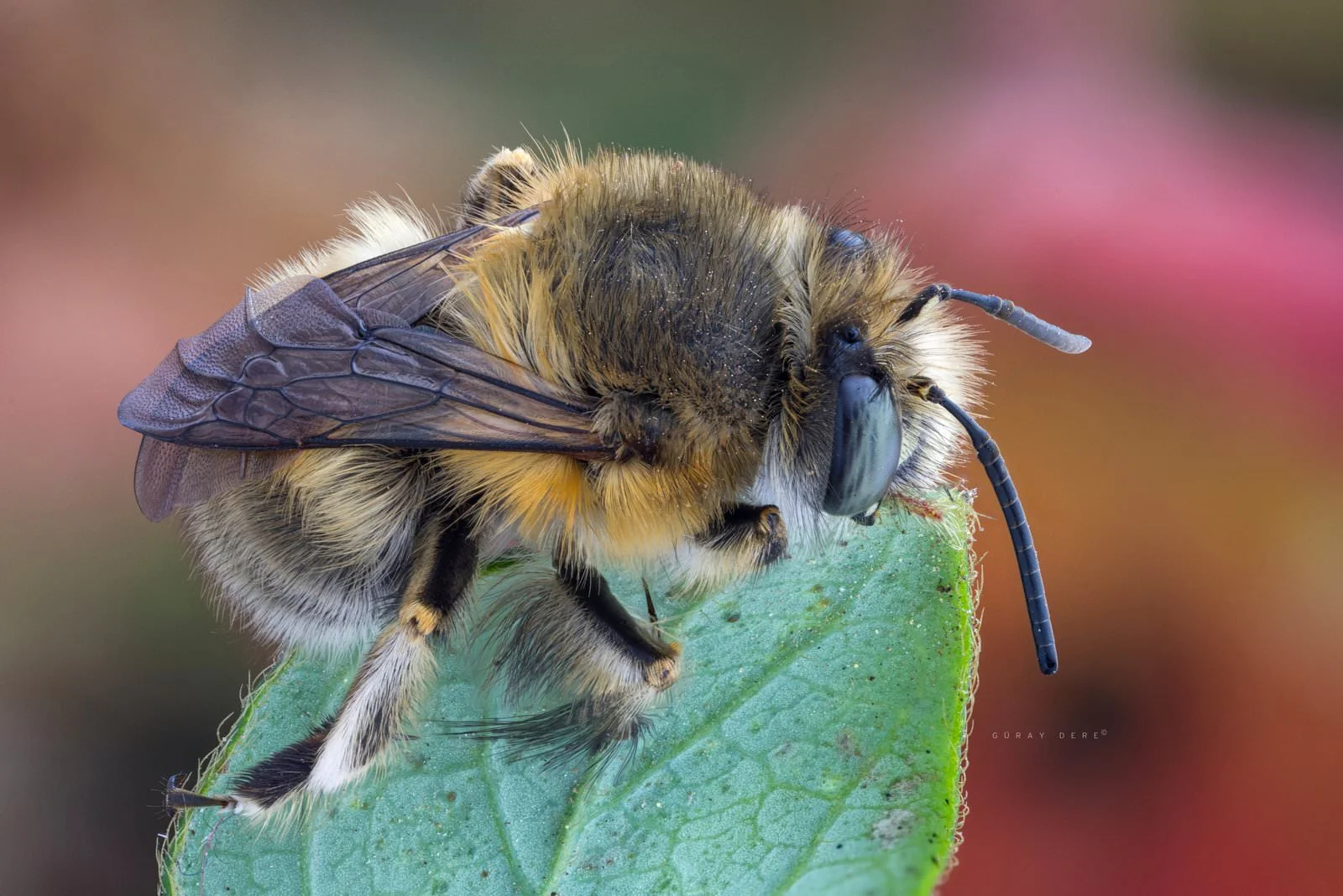
Finally, I shoot the whole composition at f/6.3 from start to finish and complete a focus-stacking run. This is my first full stack where the CPL played an active role. I’m publishing the final at 4000 px with a link. Click the image below to view it large.
 A full focus-stacking project using a CPL
If you have experience with polarizers in macro—or when you do—I’d love to hear your thoughts. Good light!