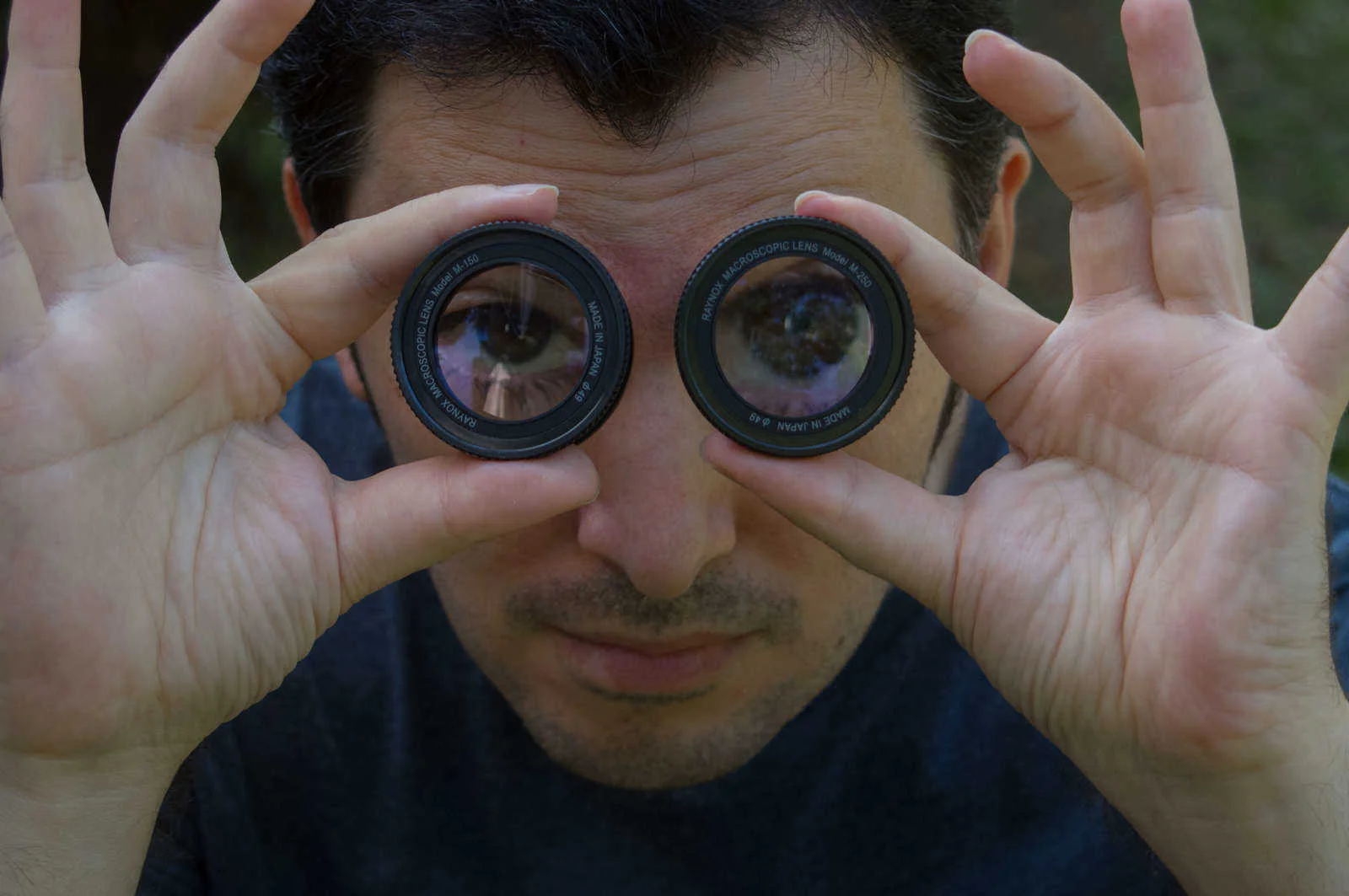
Magnification, working distance, diffraction, resolution
Testing the limits of any lens we get our hands on is both fun and instructive. Sometimes you can stumble upon unexpectedly delightful discoveries. In the previous review, we tried …
Magnification, working distance, diffraction, resolution
Testing the limits of any lens we get our hands on is both fun and instructive. Sometimes you can stumble upon unexpectedly delightful discoveries. In the previous review, we tried …
We’re after some experimental fun today 🙂 As they say, the best way to learn something is to try it yourself. Back in high school physics we had a unit …
I remember the very first post I published on this site—I’d written about how I missed the shots I used to take in macro mode with my old compact camera. …
Long ago I read an article by master John Hallmen whose original Swedish title was “Att tämja blixten.” It meant “taming the light” and contained many tips on using flash. …
A lot of questions come up about aperture settings. At which value do we get better results? Should we open up, or stop down? As I approach the topic, I’m …
I ended up rewriting this post a few times and added something new to the content each time. At first I planned to touch only on the Raynox units, but …
I still remember the thrill of picking up my 1:1 macro lens for the first time and shooting a few frames—being able to render flowers and insects that large was …
As I briefly touched on when explaining aperture, it’s worth taking a more detailed look at depth of field. Depth of field is commonly referred to by the abbreviation DOF, …
In the previous post I said that what defines a true macro photograph is the 1:1 magnification ratio. Of course, that statement was entirely about the definitional side of things. …