Staging in macro photography
Sometimes we see a photo of an insect and just can’t figure out how it was taken. In the middle of an “action” scene, time seems to have frozen. We marvel at the patience and timing the photographer must have developed to catch that moment… But how is the focus so good? Is it really a single exposure, or was it focus stacking? And if so, how on earth did they manage multiple shots in that scene?
The photographer surely pushed all sorts of skills during the shoot, but this wasn’t solved with timing—it was solved with staging.
We all know and use focus stacking by now. If we want top-tier sharpness in macro, we have to use it. That means shooting lots of frames. With live insects, the way to do this is to catch them asleep or resting. We can’t exactly wait for the bug to strike a specific pose at that moment.
Shooting live in the natural habitat is, of course, special. Conveying exactly where creatures really are and how they really look delivers a pure documentary thrill. But sometimes we want a different kind of shot—or simply to work comfortably… If we have a specific pose or scene in mind, we have to create it artificially with dead insects!
Building experience with dead insects is genuinely hard. As macro folks, we value sharing knowledge, especially on topics full of trial-and-error that eat up time. In our chats we pass along what we’ve learned. Even so, since I hadn’t matured this subject enough on my own, I always hesitated to write about it. Thankfully, Murat Öztürk turned out more eager and skillful than I am. You’ll find the piece he prepared and sent me quoted below.
Before Murat’s contribution, I’ll add a bit on “softening dried insects.” Since softening is part of staging, I felt it belonged in this post. I was going to append it after Murat’s text, but it makes more sense to put it first—because you’ll need to soften the insect before shaping it.
That leaves three topics: “Cleaning insects,” “Storing insects,” and “Transporting insects.” I want more time for these three. There are lots of methods and chemicals to test. Finding safe and effective approaches takes time. It isn’t easy to find a dead insect in good condition. If it’s a rare species, we aim to store it well for a long time and swap with other macro-loving friends.
Let’s start with softening.
Softening dried, dead insects When we find a dead insect, it’s often not in great shape for photography. It may be damaged, deteriorated from poor conditions, or very dirty. Cleaning can solve some of it, but even if we do find a pristine specimen, chances are all the joints have set in some complicated position and dried that way.
A dried insect is extremely delicate. Bodies that are normally very tough become brittle once dry. Thin structures like antennae and legs can snap from the slightest bump or wrong move.
Sometimes we swap models among friends. Or people who know my interest kindly bring me insects from far away for shooting. The longer the distance and transport time, the more unpleasant surprises we meet.

The photo above shows exactly what greeted me when I opened a delivered package. It’s heartbreaking to see these beautiful creatures—rare in my area—end up unusable like this.
Drying means moisture loss. As water evaporates from tissues, joints stiffen; in eyes and soft regions, color loss and texture changes appear. The eyes change fastest—on a fly, for instance, visible change begins just a few hours after death. The ommatidia turn brown one by one, and over a longer period they turn white. So if we rehydrate the specimen, can we get those losses back?
Answer: To a large extent, yes!
Even if the eyes don’t fully recover in some species, we can make all the joints soft and flexible again.
There are two methods for rehydrating, each with pros and cons:
- Immersion in lukewarm water with a tiny bit of soap or detergent added
- Holding in a humid environment
The immersion method works fast. I’ve used it a lot to clean hard-shelled, hairless insects. Depending on size, an insect left in warm water starts softening in 2–3 hours. The aim of adding a little detergent isn’t so much cleaning as breaking water’s surface tension so it spreads into the insect’s tissues. That lets water penetrate between hairs and layered fine structures. It does clean, too. You can soak even very dusty or muddy insects for a while, then agitate and rinse to get them largely clean. A post-soak rinse is a must—you don’t want detergent residue once it’s dry.
When an insect comes out of the water, you’ll see all the hairs—even legs—matted and tangled as if coated in jelly. Even when fully dry, the hairs will stay stuck. To prevent that, you can blow-dry vigorously, or better, dip in pure alcohol and pull it out. Blow-dryer power is hard to judge; alcohol is safer. On a molecular level it displaces the water and, unlike water, doesn’t glue the hairs as it dries. It also evaporates very fast. I haven’t tried alcohol yet myself—so I’m waiting on your test results. :)
I’ve used the next method more and had good results. I’ll detail that one.
Holding in a humid environment
Since I don’t like how water mats hairs, I prefer this method—much slower but very effective—especially for hairy insects. Instead of dunking the specimen and soaking it, we let it sit for a long while in a humid environment so it regains lost moisture.
When working with chemicals, make sure you take all required safety precautions for the type of substance you’re using.
Humid means mold, mildew, and rot. We have to be very careful here. We’ll use small amounts of helper chemicals. I used household bleach because it’s easy to get. I think alcohol and acetone could be used as well. Whichever we choose—even in tiny amounts—we must use a completely sealed container so we don’t inhale fumes or pollute indoor air.
The rehydration container
Any sufficiently spacious, airtight container will do. A clear lid helps you monitor things inside, but to be sure, open the lid a couple of times a day and check softening by touch.
In the example below, I’m rehydrating a dried dragonfly before shooting. Notice the legs—completely folded over, tangled together, and very dry.

Here I used a yogurt tub as the softening box. A sturdy, airtight lid is all you need. I plan a three-layer setup inside the tub.
- At the very bottom, several layers of toilet paper. Wet these completely—but not so much that they float on standing water. Just make sure they’re good and damp. To prevent mold/rot in the insect, add about two capfuls of bleach to the same area. Do this last so you’re not exposed to fumes.
- We need to isolate the section where the insect will sit from contact with liquid water. It should absorb humidity only from the air in the tub. So I place a plastic picnic plate on top of the wet paper to create a barrier.
- Condensation on the plate could form droplets. To prevent that and keep the insect in a humid but not wet spot, I add another 1–2 layers of toilet paper on top of the plate.
With that layout, close the lid tightly and leave it somewhere appropriate. This takes time. Checking twice a day, by the end of Day 2 I found this dragonfly’s legs opened easily. Thanks to the bleach, there was no mold or spoilage at all.
Time for the next stage.
Shaping and re-drying
Once the joints have softened, we need to pose the insect in a natural-looking shape and dry it again. Shooting while the joints are fully soft is tricky; after a while, under their own weight, they drift out of the pose you set.
To hold positions while they harden, we can use a foam bed.


We now need to keep the specimen somewhere as dry as possible. During re-drying, we don’t want mold or deterioration.
I check once or twice a day. By nudging the pins, I see whether the leg remains suspended at the same angle or follows the pin and droops. By midday on Day 2, the legs are firm enough—remove the pin and they don’t budge. The dragonfly looks like it’s pouncing on prey, ready to catch it in midair with those legs. Four days’ work. Long, yes—but our model is ready. Time to shoot.
Note: It’s been months since I finished this process, and the dragonfly is still holding the exact same pose without any deterioration.
Shooting the model
Since I wanted it to look like it’s grabbing prey in midair, I set up a rig to hold the model aloft with a pin.


Because of cleanup, the computer work took a bit longer, but the final image is at the level I wanted.


Another example
I’d like to show another piece I did using the same method, as a series of summary shots.
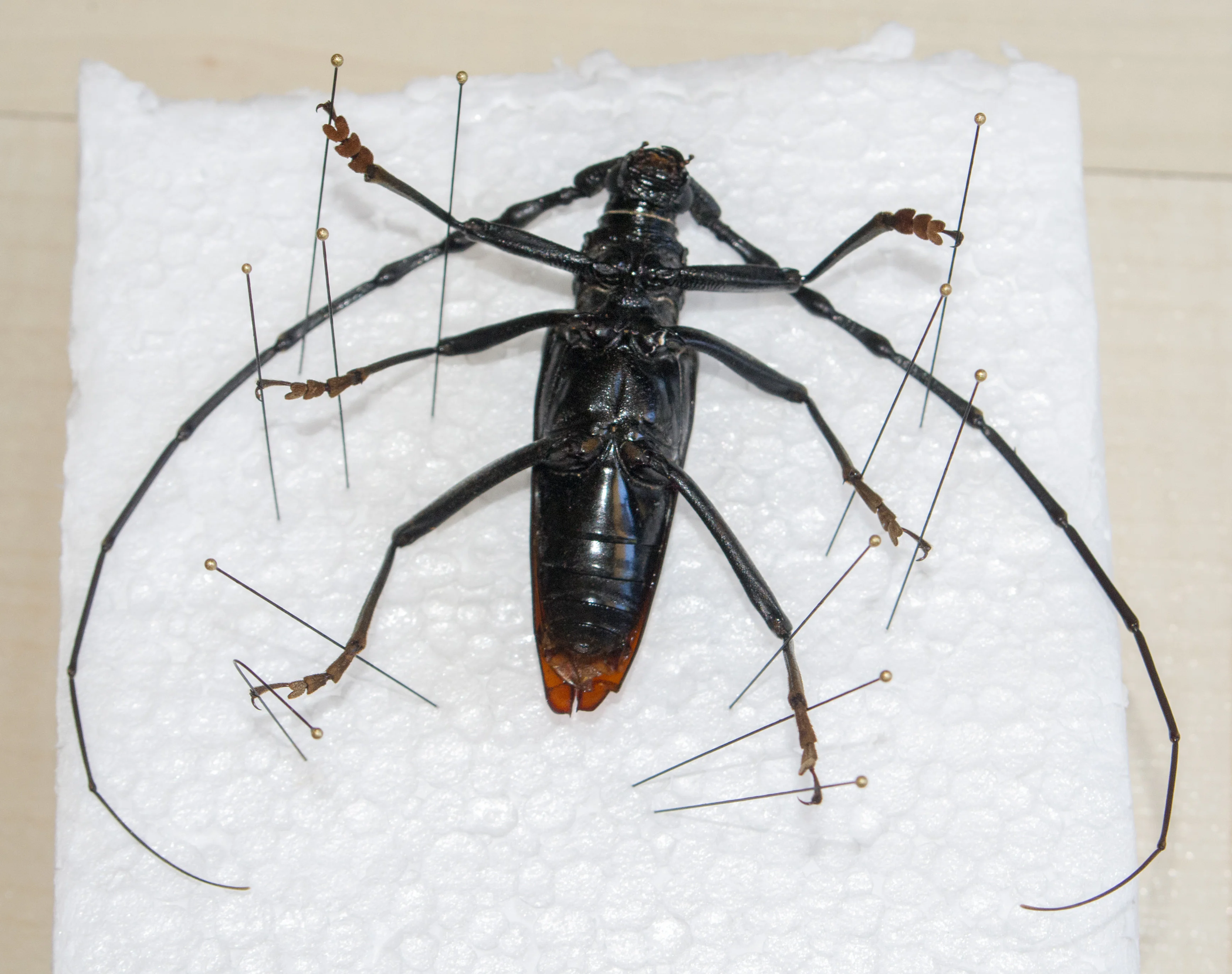
This time our insect is the great capricorn beetle—an absolute giant about 8 cm in body length, with much longer antennae. This specimen had legs fully folded and tangled, and the antennae set against the body. I placed it in the rehydration box the same way. Because it was so big, softening took twice as long. By the start of Day 4, it loosened up. Not the slightest deterioration appeared. I’ll share the rest as photos.


After re-drying, the insect can stand on its own legs. There’s no need to pierce it with a pin when positioning. As in the example above, sometimes the feet don’t fully touch down and hover a bit—but you can play that as if it’s mid-stride.
Like the previous piece, this one was done months ago and is still on display in my cabinet with the same scene décor. After re-drying, insects can be stored in the same pose without degrading.
Now, with many thanks, I’ll hand it over to Murat. He works wonders using pins even during the shoot:
Bringing Dead Insects to Life Through Photography – Murat Öztürk Hello there… :)
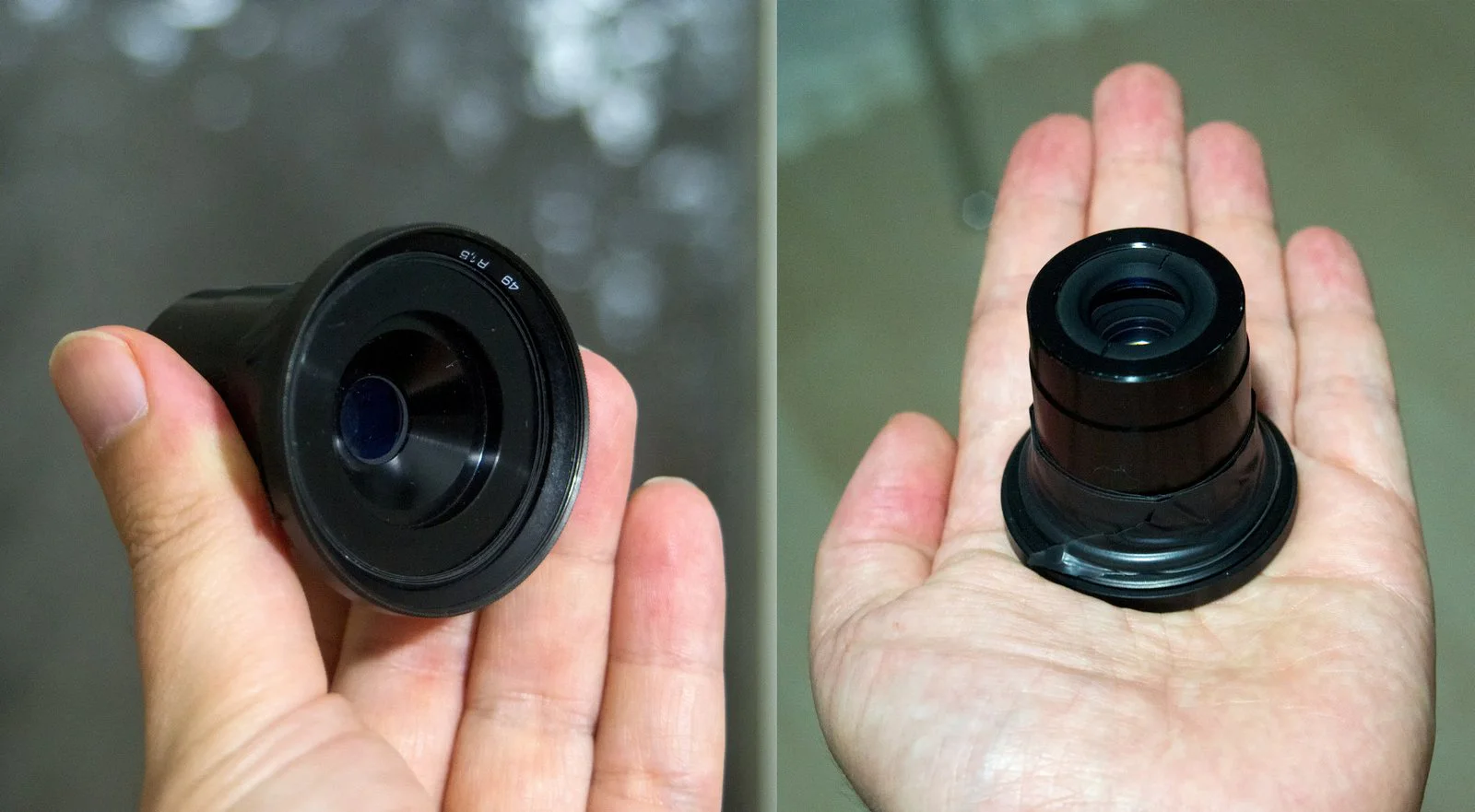
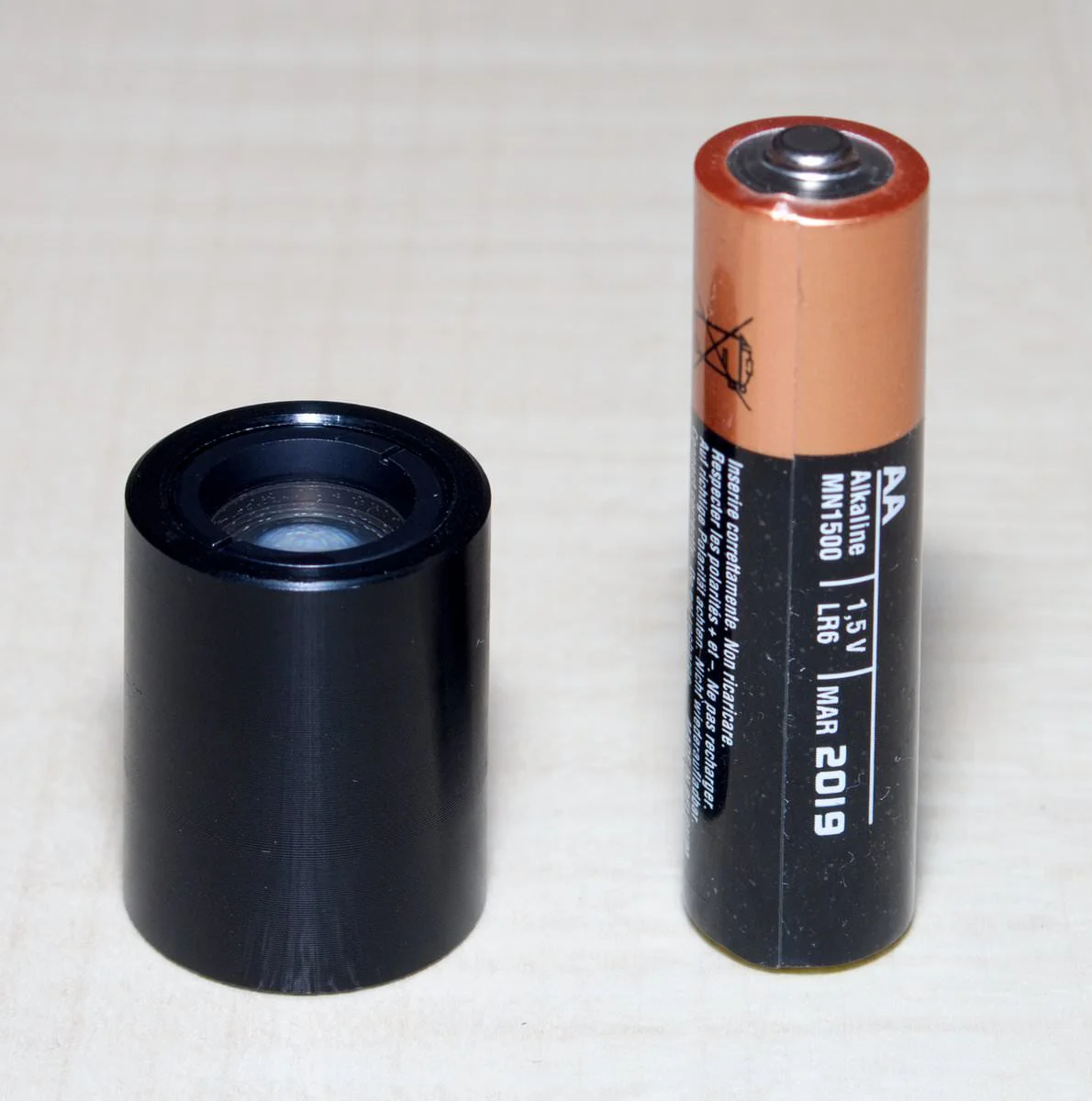
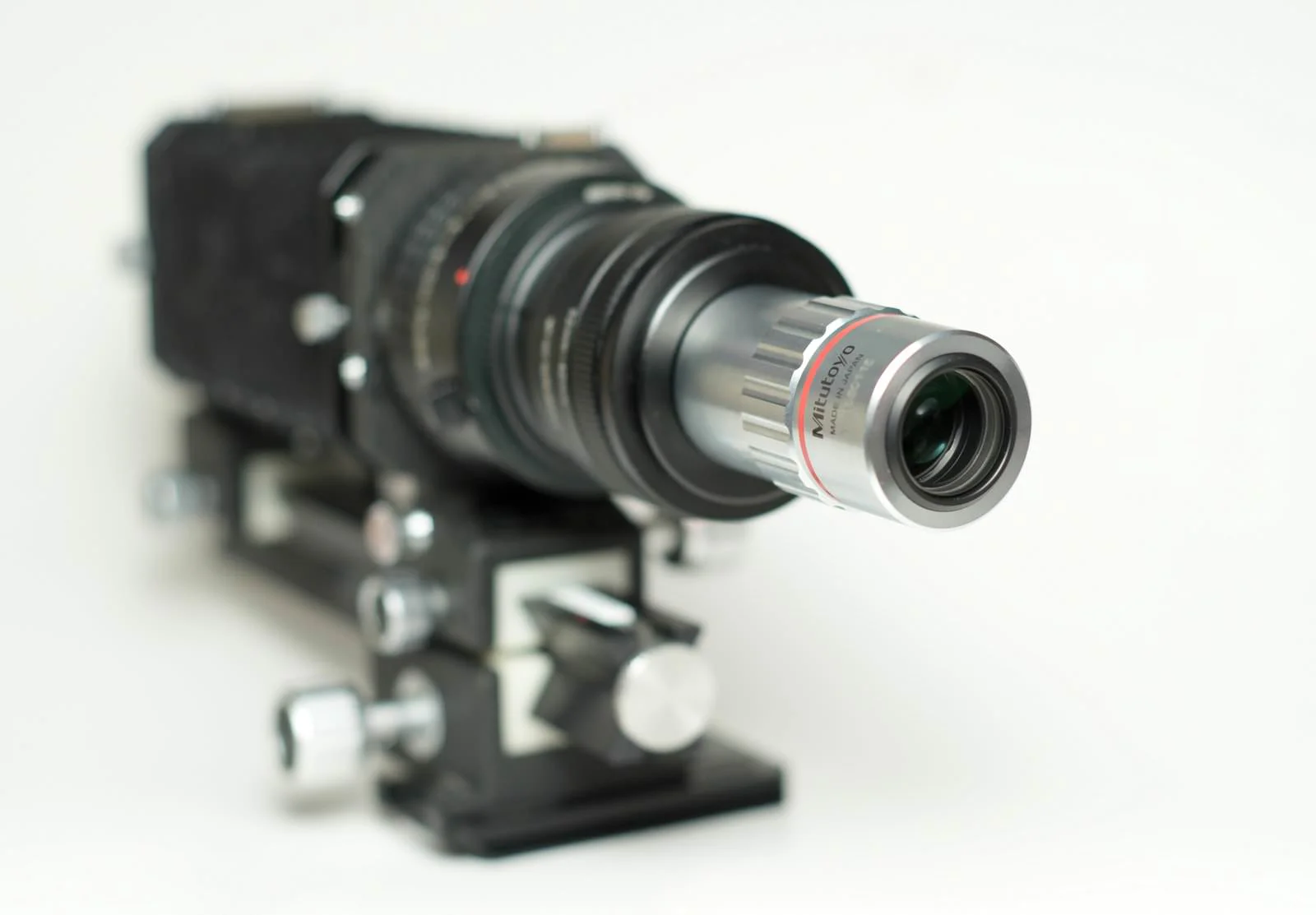
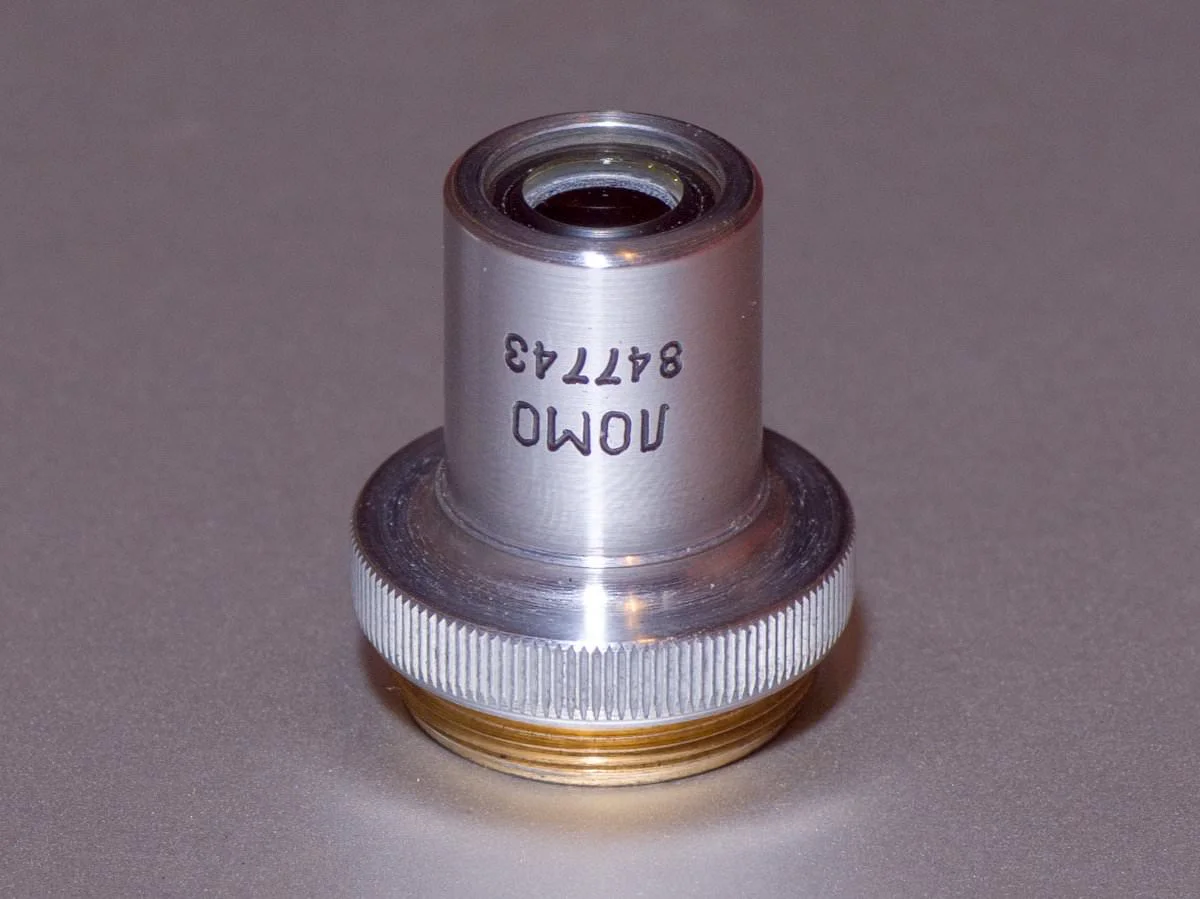
We first met in my post titled “Macro photography with the 18–55 kit lens.” I can’t say I still use the 18–55 in macro—I’ve picked up sharper lenses since. Among them, I love using the Lomo 3.7× (microscope) and Nikon EL-Nikkor 50mm f/2.8N (enlarger) lenses. The Lomo 3.7× in particular, despite being an older microscope objective, delivers very good results.
After getting these lenses, I shot insect portraits for months. Long stretches of that kind of work—high magnifications, loads of frames—started to get tiring. I also wanted to try something different. I wanted a bit of action in the photos. I was, in fact, making things harder—but I was curious about the results. All winter long I imagined scenes. I even built scenes with the decayed specimens I had. But some photos just weren’t working. Something was missing; I couldn’t keep the insects in place; it was obvious they were dead; and the shoots felt like pure torture. Then an idea hit me—maybe I could build the scenes I wanted this way.
The scene I had in mind was the ruthless battle between honeybees and hornets. Yes! I should shoot a war scene, I said—and waited for warmer weather…
Places where I found dead insects:


At last the weather warmed. In April I went back home for a few weeks. Every day I walked the greenhouses, collecting insects that were dead or near death. One day I found a large hornet—perfect for my scene. The next day I visited a relative who’s a beekeeper. I looked into the hives and saw hundreds of dead honeybees. They kindly gathered a bagful of bees for me. Not quite the 5 cm Japanese giant hornet, but I had a sizeable hornet or two and a whole bag of bees.


First we need to ask ourselves a few questions. For example, start by asking, “Am I patient?” Because positioning the insects can be downright torturous and end in frustration. You have to bring your dexterity, delicacy, and imagination into play. And it doesn’t end there—you need some Photoshop (PS) know-how, because you’ll do a bit of work after the shoot, too.
Now let’s look at what’s needed for these shots.
- Pins
Pins are essential to create the scene we want. They’re the key support that lets us stand the insect as if alive. Briefly: I use very fine “insect pins” (gauge varies by number). I started out with regular dressmaker pins, but after switching to insect pins, I could stage much nicer scenes.

- Props
To make scenes look more natural, I use wood chips, bark, stones, and sand collected from nature. I often pick branches with moss—they look nicer in photos. If the prop is hard, it can be difficult to stick a pin in. For those I use small needle-nose pliers.


Let’s assume the legs move without issue. The part that will help us most when shaping is the claw.

The second thing to mind is where to insert the pin. Let’s bring our model—the honeybee—on stage.


After fixing the pin, press down from above (I use tweezers) to bring the insect into a suitable position.


Sample photos for leg positioning
The processed photo…

Below you’ll find examples showing the raw shots and the final versions with pins removed in Photoshop.
To wrap up, I’ll touch on a few important points and then share lots of examples made with this method.
SHAPING DRIED INSECTS
The biggest problem you’ll face while posing an insect:
Let’s say the specimens are dried out; if you try to open the legs, they’ll likely snap. I’ll explain the fix with an example.
I had a completely dried longhorn beetle and a ground beetle. I wanted to build a scene with them. To shape the legs, I left them in a sealed container of lukewarm water for a full day. When I took them out, the legs were soft and I could pose them as I wished. Of course, the parts you need to shape aren’t limited to legs—sometimes you need to pose the head, thorax, and abdomen as well.
One of the trickiest parts is the antennae. If the species has very delicate antennae, these methods may not work—handle them with great care. After softening, you can hold antennae in position with insect pins; after a while, they’ll set in place. Obviously we can’t use water on every specimen—some may deteriorate on contact. For those, try other routes—e.g., leave them in a humid place without direct contact with water. Güray Dere will explain insect softening in more detail at the end of the topic. (Note: It was covered at the beginning, not the end.)
I can’t sign off without one more key point. :)
If we want a beautiful photo and don’t want to struggle in Photoshop later, we must keep insects—especially eyes—free of dust and grime. For cleaning, try a feather, a toothbrush or similar tools, and misting with a spray bottle.
That’s all from me for now—hope it was helpful. See you next time on another topic—take care…
May your light be plentiful. :)
Note: For the honeybee photo, a Canon 600D body and Nikon EL-Nikkor 50mm f/2.8N enlarger lens were used. For lighting, two desk lamps were used, with white plexiglass and a foam plate as diffusers.
The honeybee frame is composed of 83 photos (focus stacking technique).
For the other photos, Canon 600D and 70D bodies were used interchangeably. Lenses included Industar 75 mm f/4, Rodagon 80 mm, Componon 80 mm Durst, and Nikon EL-Nikkor 50mm f/2.8N enlarger lenses.