Carl Zeiss 2.5X 0.08 microscope lens

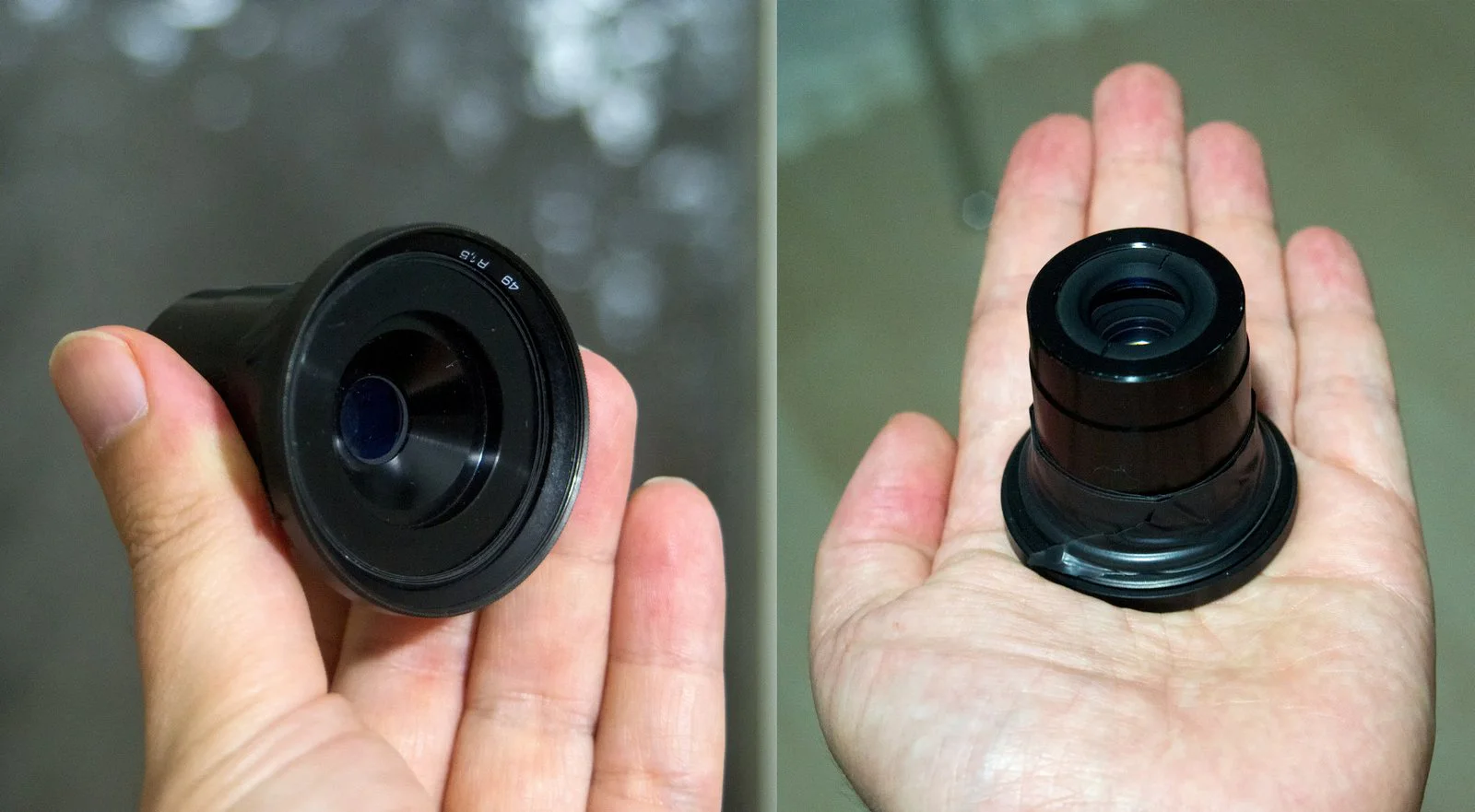
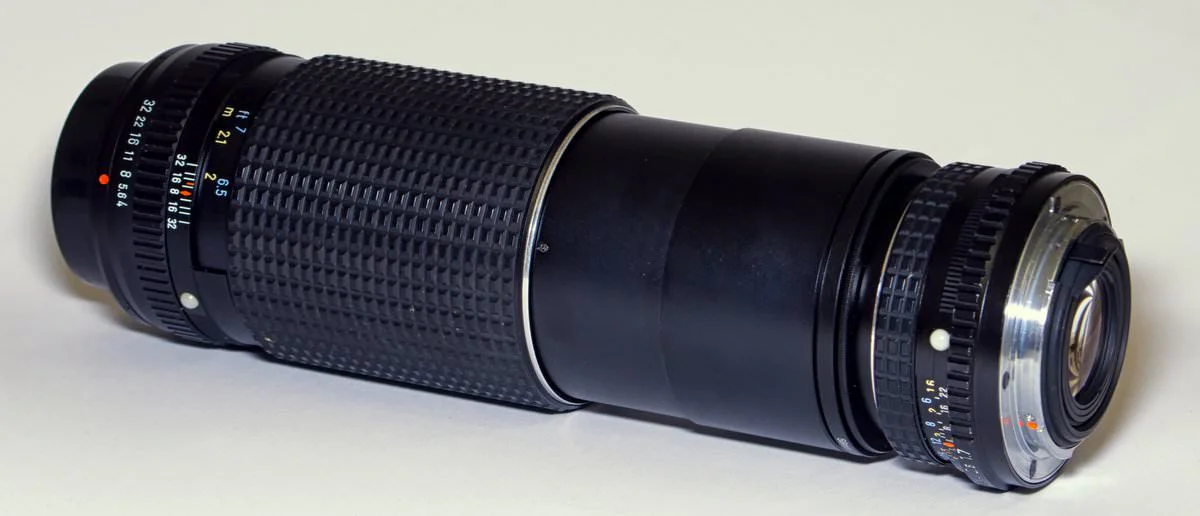
After positive experiences with microscope objectives, I gradually began shifting from enlarger lenses to microscope objectives for low magnifications as well. Of course, this applies to studio work; using microscope objectives handheld is next to impossible.
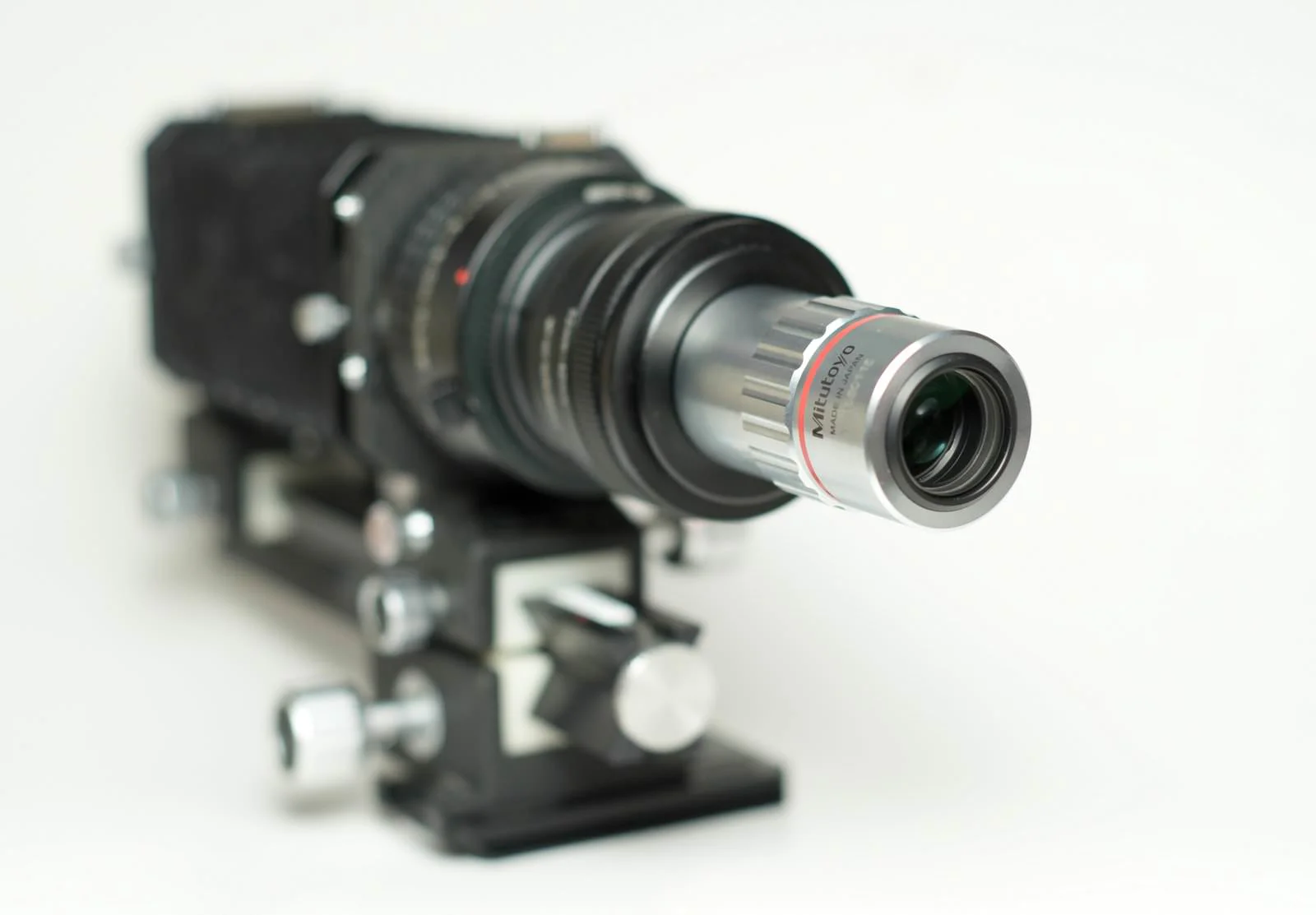
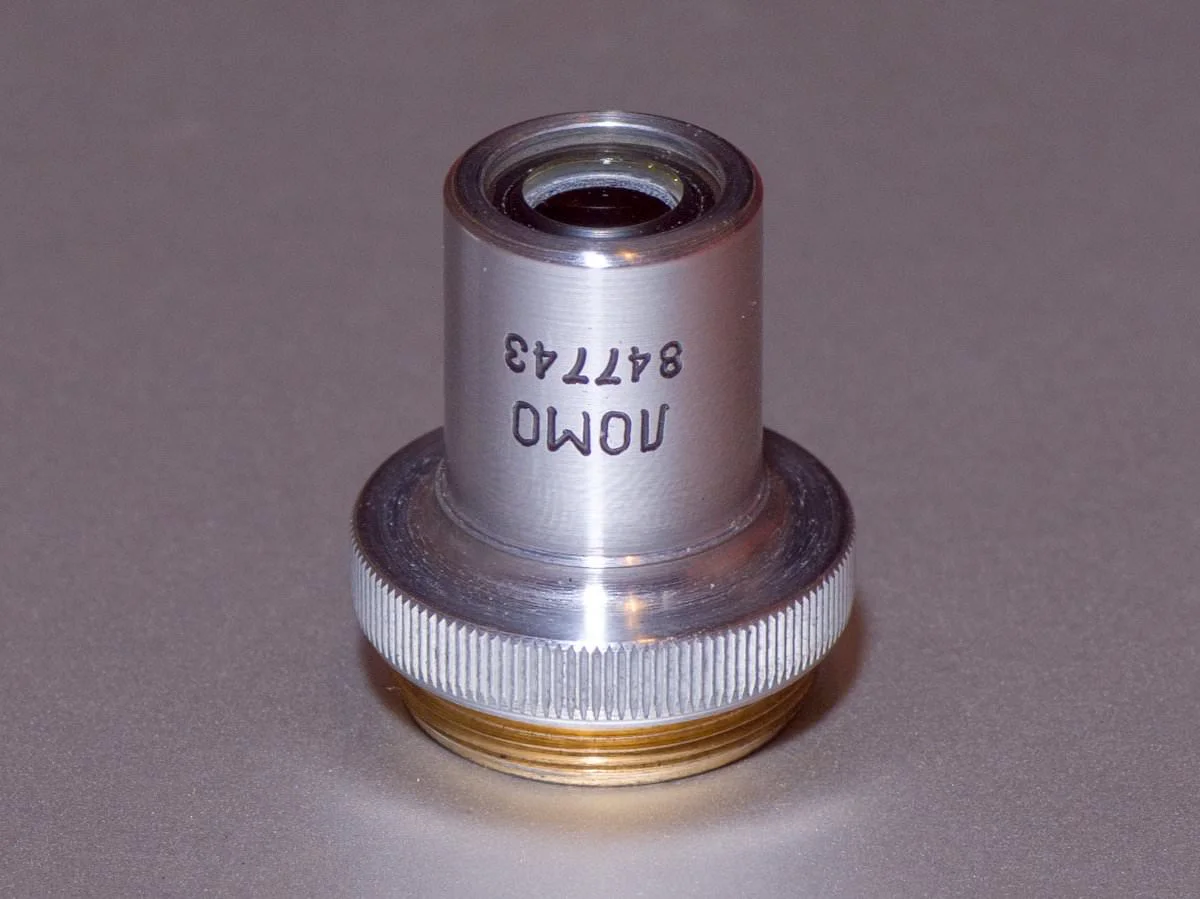
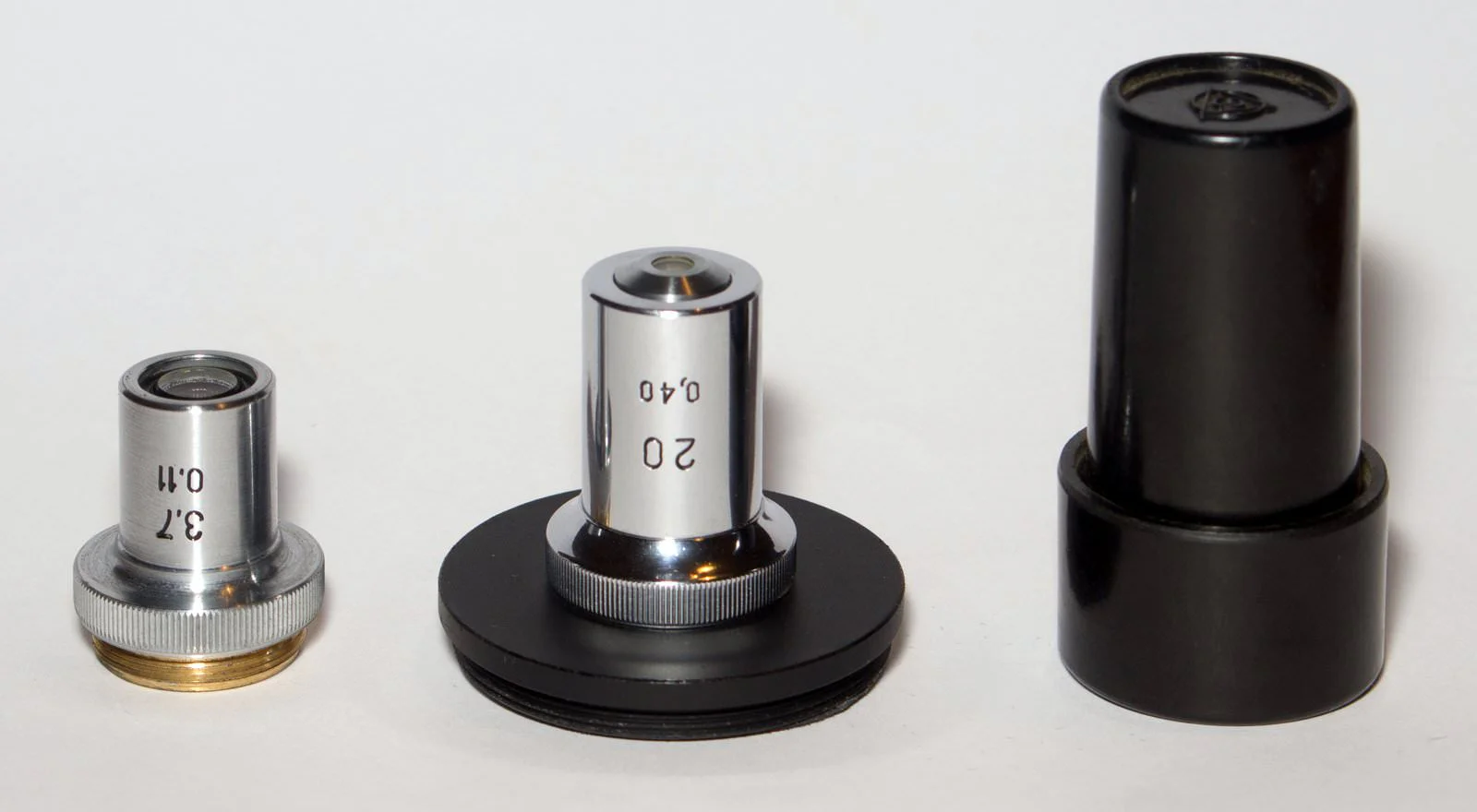
Most recently, I picked up Carl Zeiss’s Plan 2.5X 0.08 microscope objective, from the German company renowned for its legendary lenses. Compared with my Lomo objectives, this one is a bit larger. Since it uses the same RMS thread, mounting was straightforward. I attached it to the bellows via an RMS adapter. The “Plan” designation in the name means the image field is flat (flat-field), which is very desirable for macro shooting.

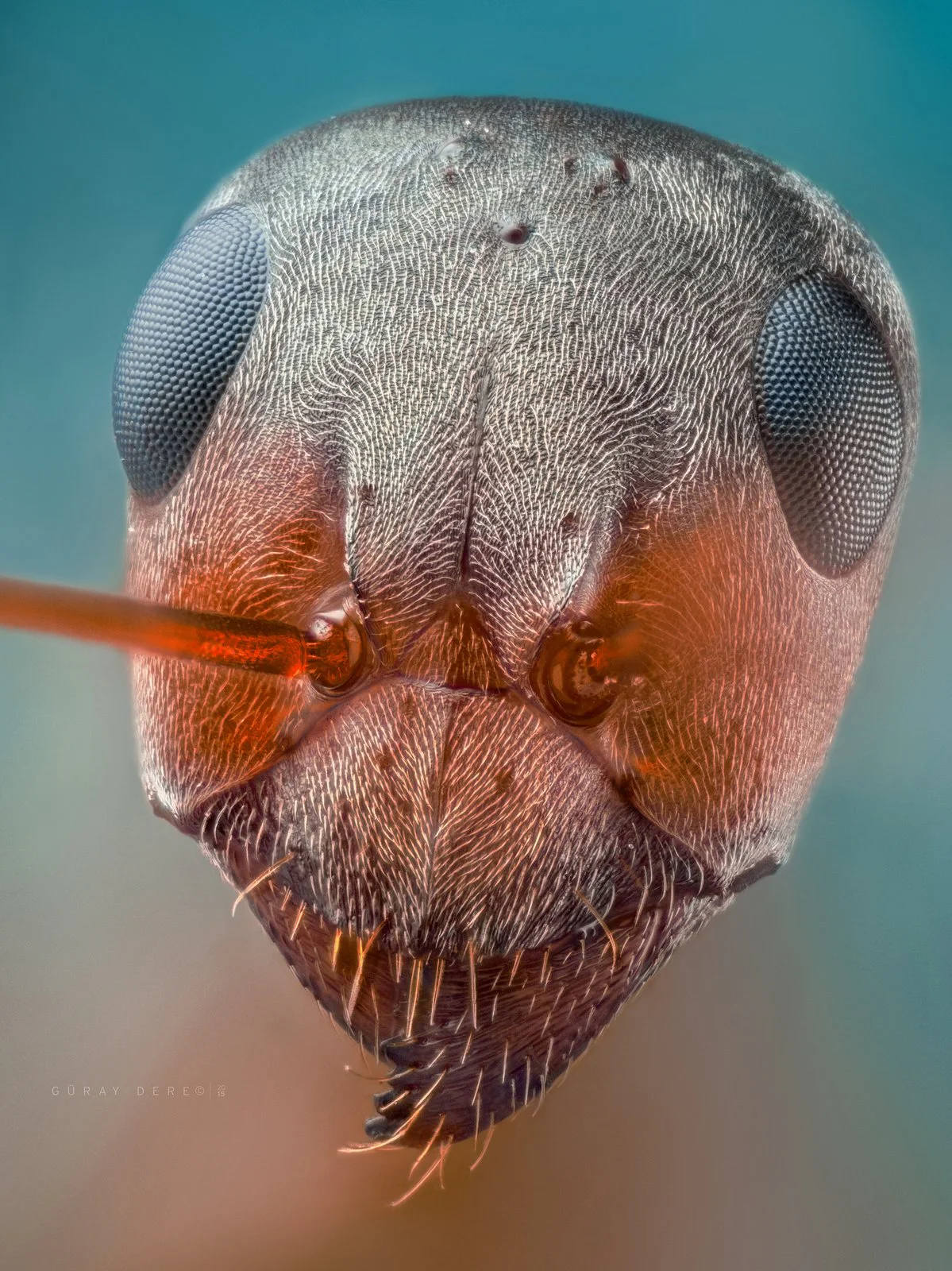
Because of the characteristically shallow depth of field of microscope objectives, I had to shoot a 127-frame stack. Here’s the result.

- If you force it below 2.5X—or even at 2.5X—it starts to vignette. You need to be mindful of this while composing. - Second, chromatic aberration (CA). This is expected from a non-APO objective, so I take it in stride. Well-diffused lighting largely eliminates the issue. - The working distance is very limited—about 1 cm. It’s so close that while focusing on the hornet’s hind leg, the antennae touched the objective. Choose subjects accordingly and take care. Fortunately there’s no perspective distortion; otherwise that would be a bigger problem. Given the very reasonable price (~$40), these shortcomings aren’t worth fretting over. The key is to know your tools well and use them where they’re strongest.
Update
Since then I’ve had the chance to work with many microscope objectives and enlarger lenses. I can now say I no longer agree with what I wrote in the first paragraph. A full switch to microscope objectives isn’t sensible. Enlarger lenses are important and valuable—they remain my first choice at low magnifications. Microscope objectives are not ideal for low magnifications: below about 3X they generally have very short working distances, forcing you to get extremely close to the subject. And despite that, the image you get isn’t markedly better than from enlarger lenses.
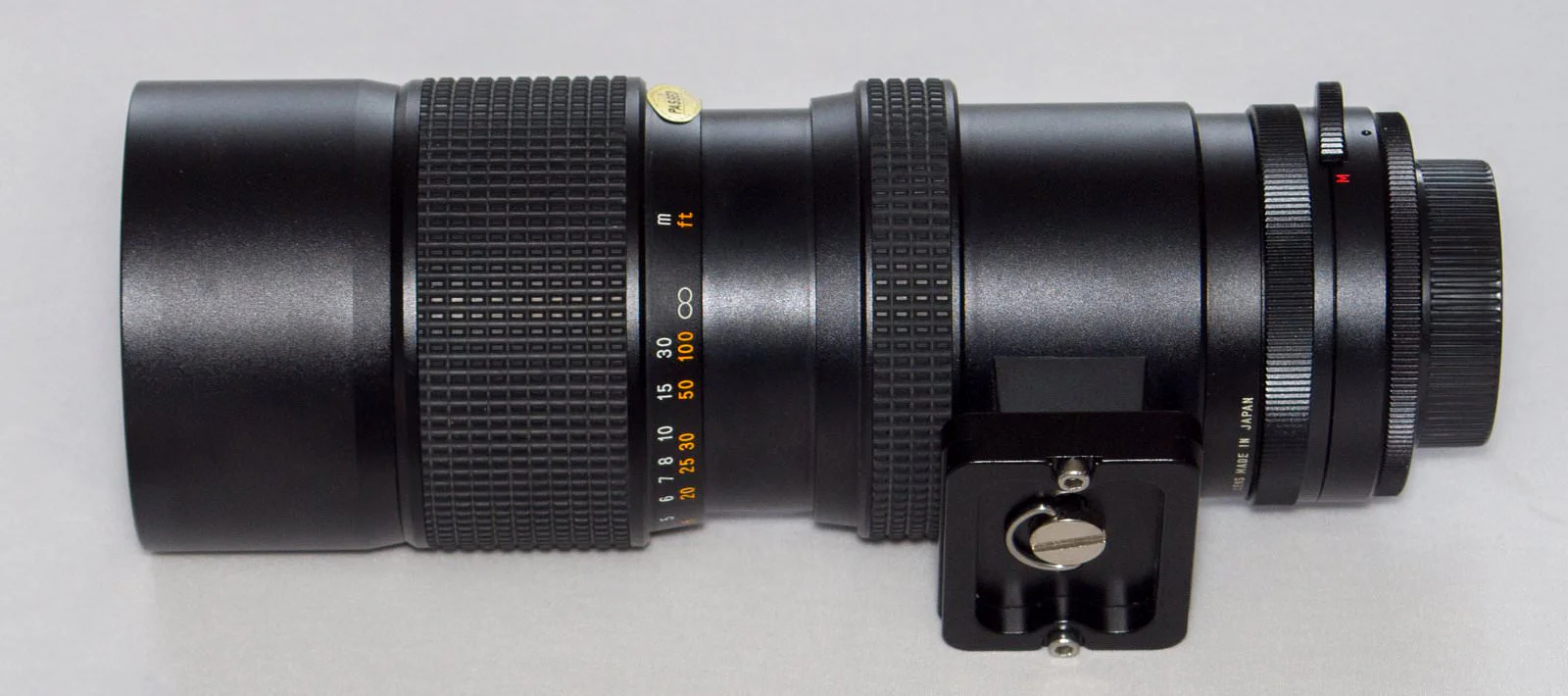
For under 3X, the best performance comes from enlarger lenses. With an adjustable aperture at your fingertips, you retain control over depth of field.
Once you get to around 4X and beyond, if you want the sharpest possible image, you’ll need to turn back to microscope objectives.