Macro photography with a Canon microfilm lens
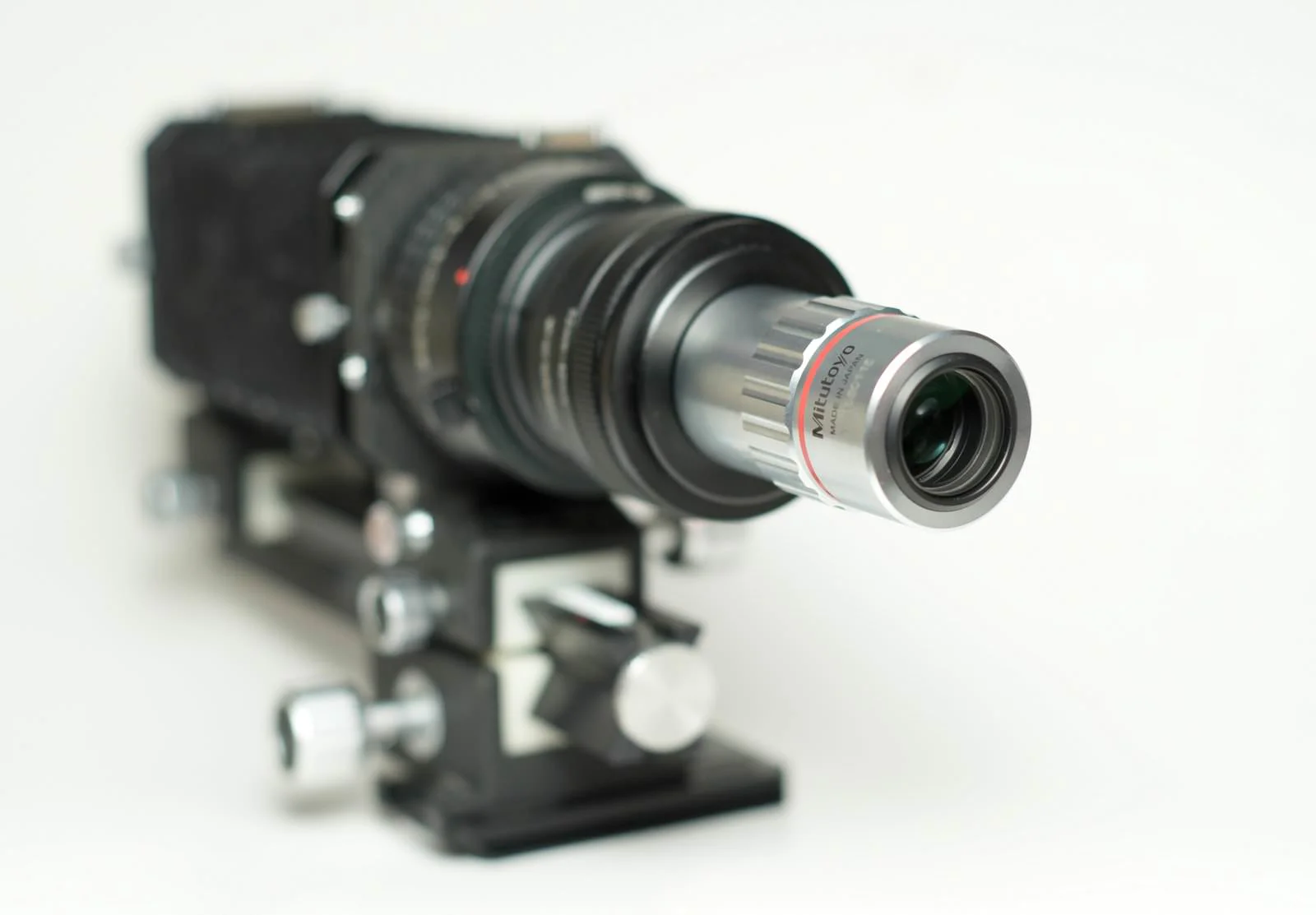
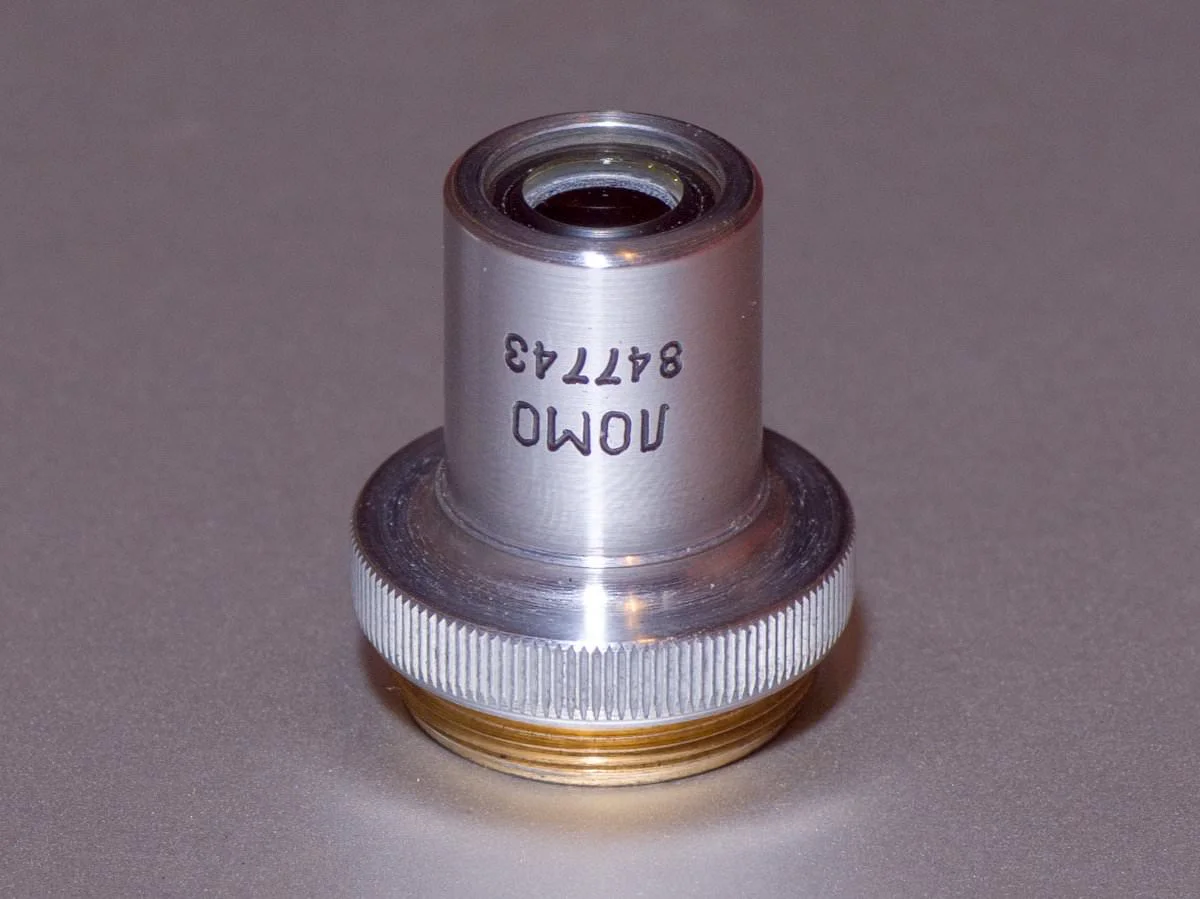
Among macro shooting methods, perhaps the most enigmatic is using microfilm lenses. We can find almost no information about these lenses. If you’ve found a microfilm lens, it could be either a dud or a diamond in the rough!
If you haven’t read it before, I suggest checking out the first article on this topic before continuing. Some basics are there: Macro shooting with a microfilm lens
Microfilm
Microfilm is an archiving method. Despite having been used for 100 years—and despite the existence of computers—it’s still popular, because it takes up little space and is very durable. A microfilm has a structure that won’t be affected by fire. It lasts 100 years in natural conditions; under special storage it’s 500 years!
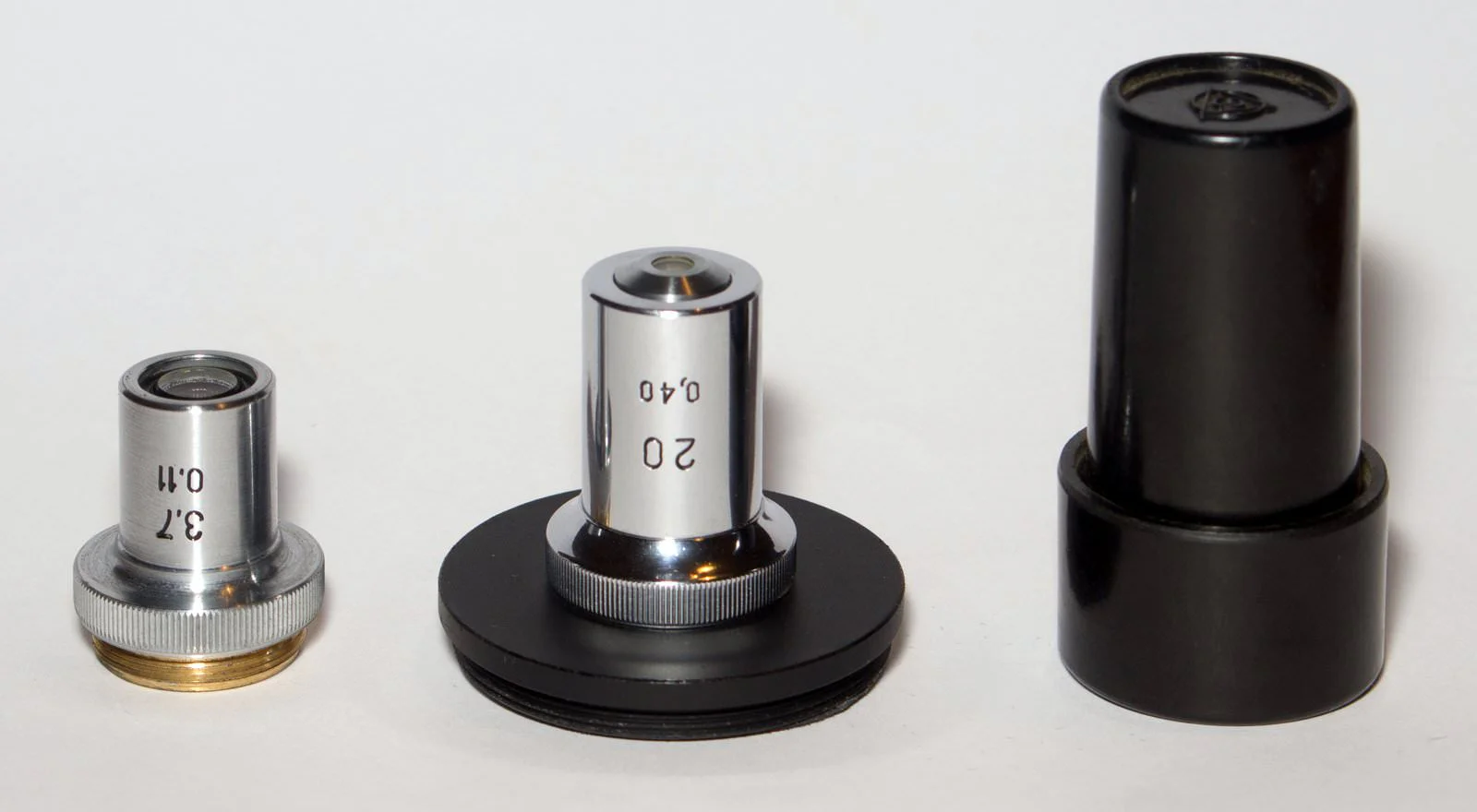
A document is optically reduced to a size viewable under a microscope and written onto this special film. And to read it, you again need devices that can provide high magnification, similar to a microscope.
And we’re interested in the lenses of those devices!
A bonanza at the flea market
Here’s a chance to use that idiom in a sentence! In the first article I linked above, I introduced the Otamat101 20mm f/2.8 microfilm lens. Once its capabilities came to light, the entire stock sold out in a very short time. I was one of the lucky buyers and managed to order it for £20. The photo below shows a listing the same seller posted on eBay a few weeks after I bought the lens:

An unknown Canon lens
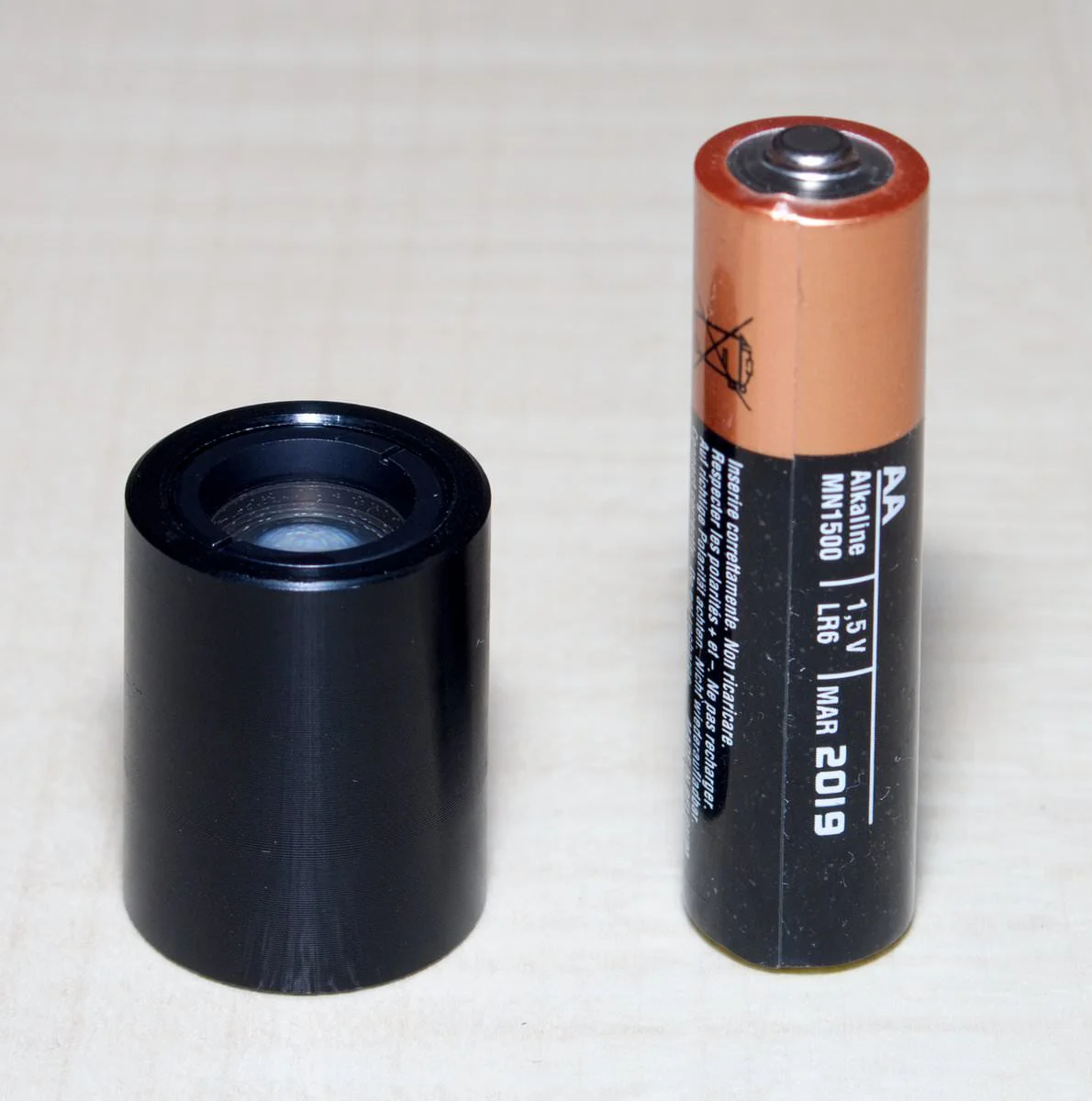
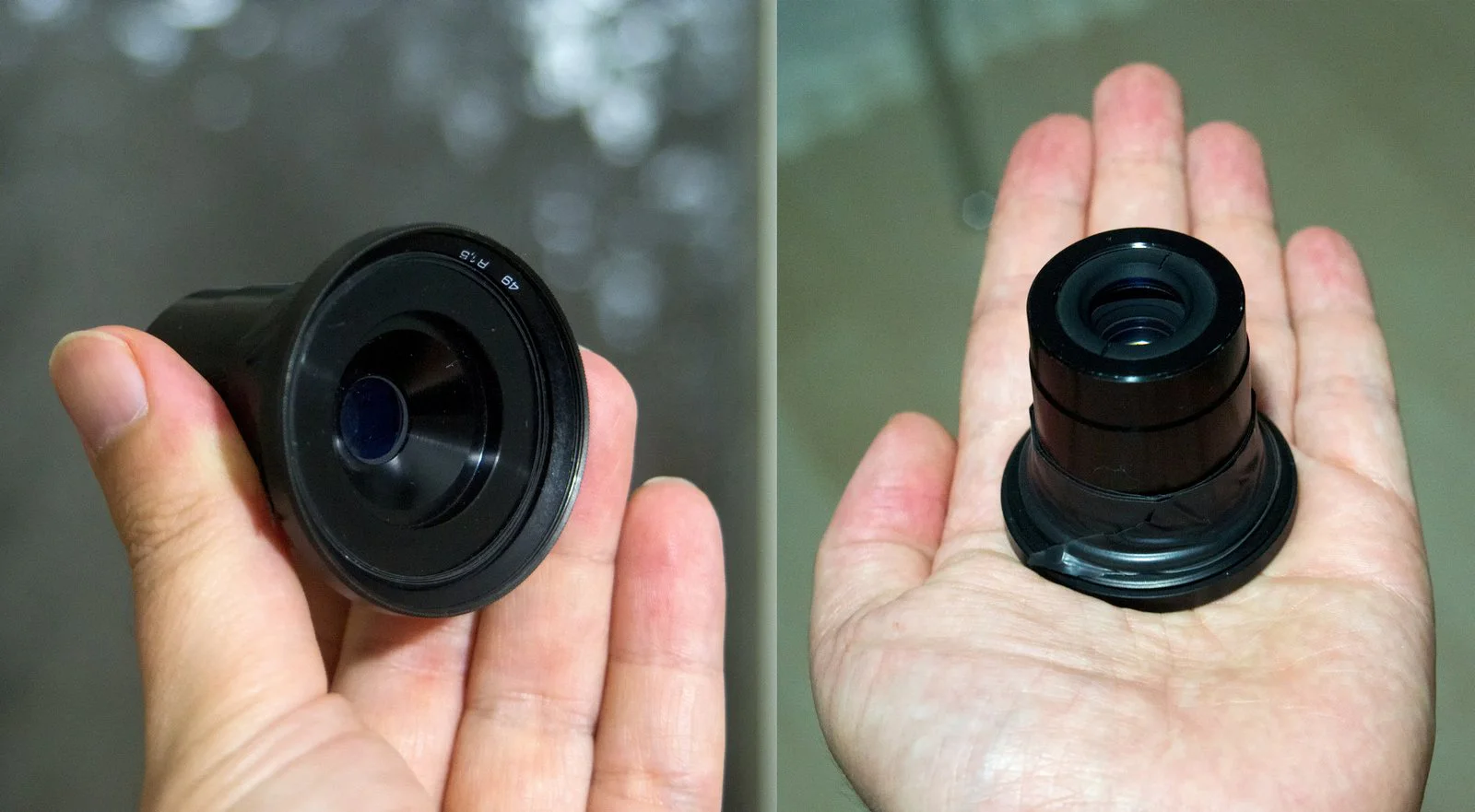
The subject of this article is another microfilm lens. Our friend Mehmet Baykul bought it for $5. He kindly sent it to me for review. There are no markings or inscriptions on the lens at all. The seller listed it as a Canon microfilm lens. I’m calling it Canon too, but in truth I don’t know.

And by aperture, don’t think of an iris with opening and closing blades. These lenses don’t have that. They always operate wide open. Whatever that wide-open value is, the lens is always at that aperture.


Even if that raises an eyebrow, it’s not a disaster. We have two chances.
- We have Photoshop. The CA correction in Camera Raw can sometimes work wonders. - Second: We don’t normally shoot single frames with this lens—we’ll do focus stacking. Bokeh CA tends to lessen—or vanish—with focus stacking. During stacking, when an in-focus frame covers a region that previously had bokeh CA, that region will be filled with sharp detail from the focused photo. Naturally, the bokeh disappears, and the CA with it… We hope…
Test shot
Time for a real shot. At such times, instead of contrived test photos that only gauge technical ability, I prefer to act as if I had no other lens and shoot the next real subject with that lens. That way it’s a truly natural use case. This time the next photo happened to be of a drone fly hoverfly.

Since I used the lens with the Olympus 65–116 tube, I noted the magnification and working distances corresponding to the 65 mm and 116 mm tube lengths. If we want to use a different tube or bellows, we can do a simple proportion from these values.
For the 65 mm tube → Magnification: 1.4× → Working distance: 6.5 cm
For the 116 mm tube → Magnification: 2.4× → Working distance: 5 cm
Looking at these figures, I estimate the lens has a focal length around 50 mm. But I still have no idea about the aperture.
Canon microfilm lens in front of a Tamron 90 mm
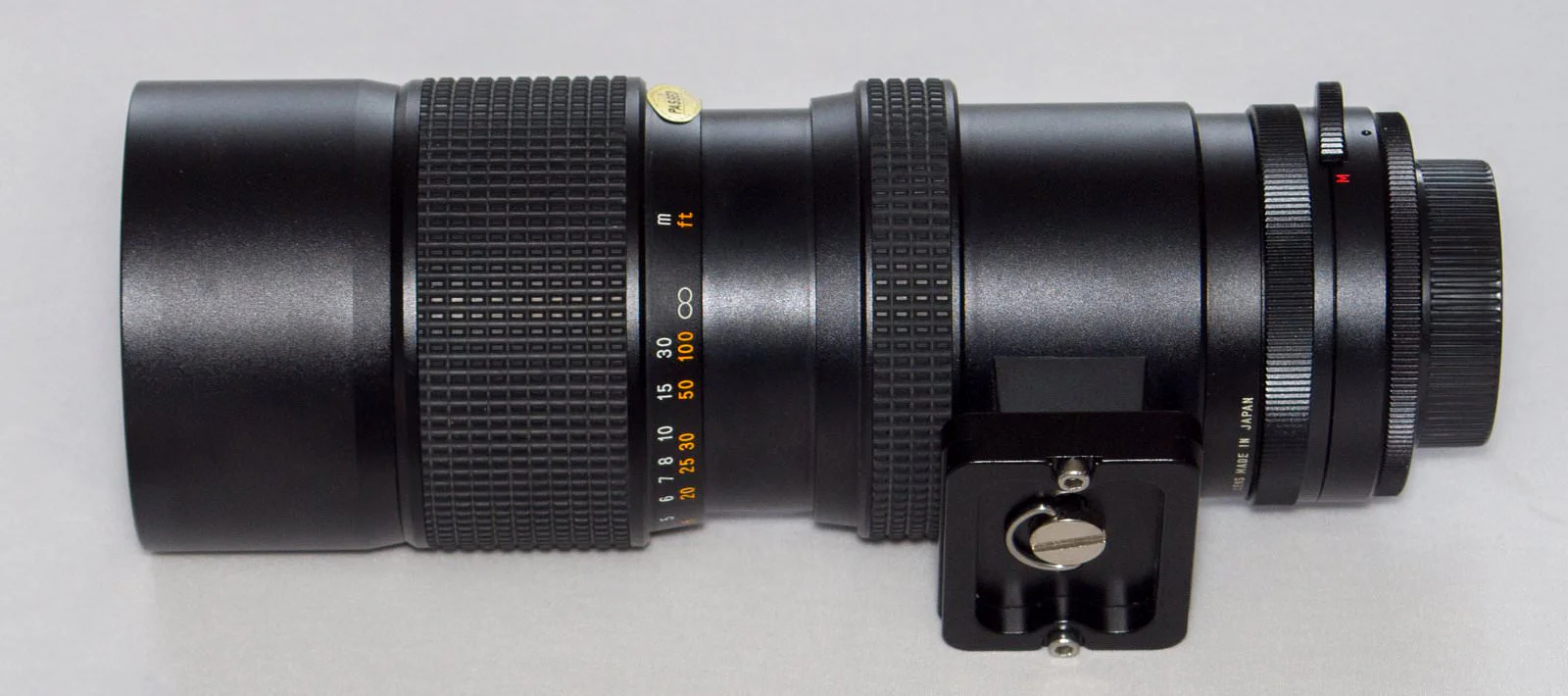
Lastly, I wanted to try a somewhat off-the-wall idea. Tinkering with lenses has always been fun. I wanted to see what we could do by mounting the Canon microfilm lens in front of the Tamron 90 mm macro. Using a “macro coupling” adapter to join the filter threads face-to-face produced the setup below:


Conclusion
Friends who like to roll the dice, adventurers who want to risk a small amount of money and have some fun—give microfilm lenses a shot! That’s how Mehmet Baykul ended up with a useful lens. He sent it to me for testing and made this article possible. Thanks again.
Here’s to meeting more microfilm lenses.