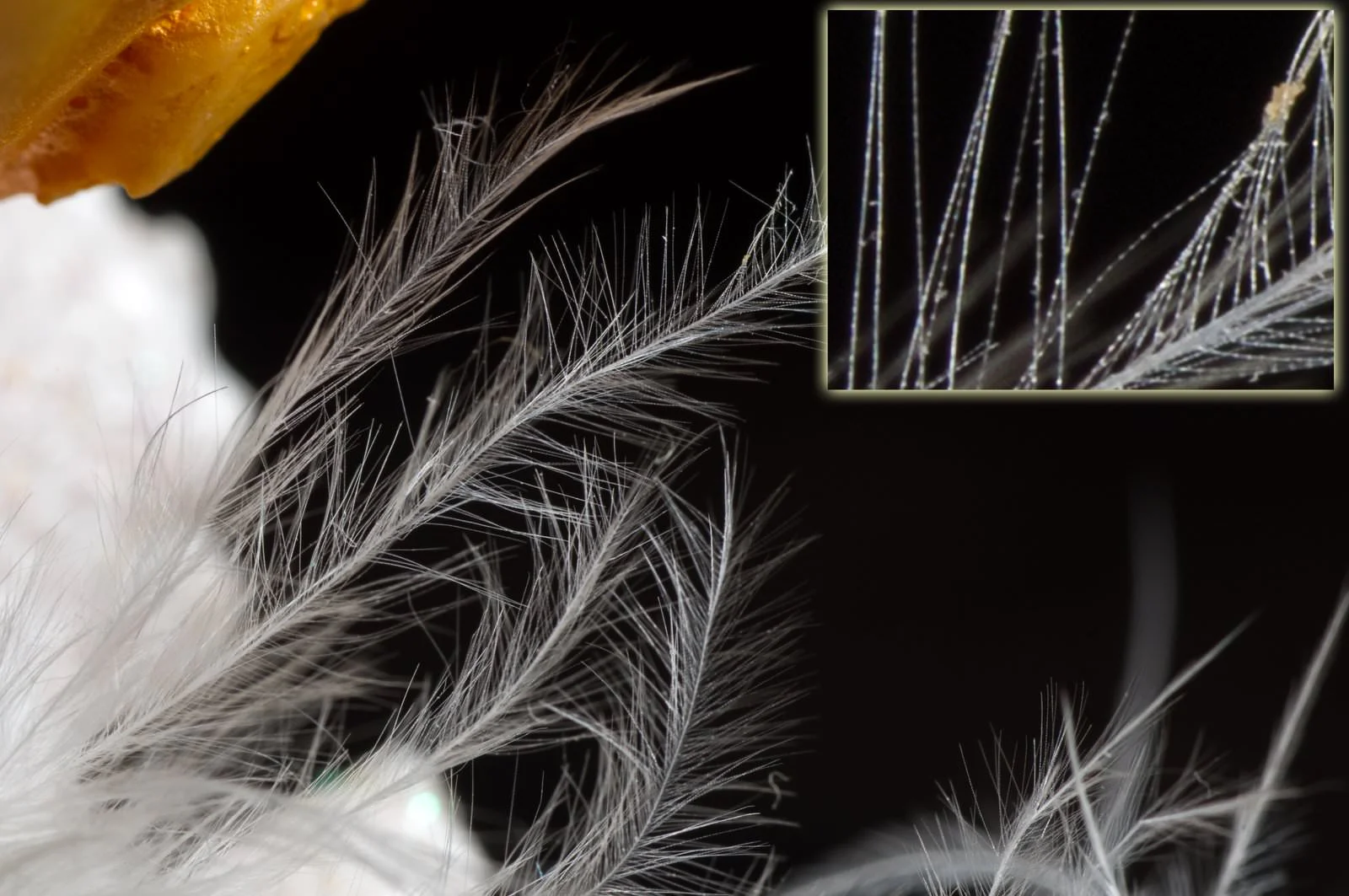
Macro photography with an enlarger lens

Known in English as “enlarger” lenses, these belong to the darkroom equipment of the film photography era. When we wanted to make a photographic print from a negative, we used the enlarger lens with a projection logic to cast the photographic image onto light-sensitive paper. The photo image forms on the paper.
The digital world shelved enlarger lenses. They remained in photography departments and in the workshops of those who want to work the old-fashioned way. Today, very few companies still produce enlarger lenses. Rodenstock and Schneider Kreuznach are two of them.
What’s expected from an enlarger lens is to enlarge the negative to print size without losing image quality. In other words, to have high resolution and transmission. To project the image of the flat negative onto the flat paper without corner distortions—in other words, to focus for a flat field.
Do these statements sound familiar?
Yes, these are the features expected from macro lenses. Enlarger lenses work very well as macro lenses.
What kind of lens is an enlarger lens? 
There’s no focusing ring on the lens, only an aperture control. The aperture cannot be controlled from the body; it’s adjusted entirely manually on the lens. In macro shooting we almost always reverse-mount these, and we typically work at distances of 5–20 cm. Since we also always use a tube or bellows, we can change (increase) magnification and focusing distance with the tube/bellows length. But for focusing, we have to move the whole system back and forth to bring the desired point into focus. Instead of focusing by turning the lens, we move ourselves forward and back.
If we mount them straight rather than reversed, with the help of a bellows we can focus at the distance we want and shoot portraits or landscapes. Wide angles under 50 mm aren’t very suitable for straight mounting; they can only work at very close range. The general-purpose use of enlarger lenses with straight mounting deserves a separate article and is waiting to be written.
We said they don’t have focus or zoom features. Thanks to this, they have a small, simple build. That simplicity pays us back as sharp photos.

For example, in the macro-favored series of two widely available brands that still produce lenses, these distinctions appear:
| Schneider Kreuznach | Rodenstock | Model characteristic | | Componar | Rogonar | 3 elements, 3 groups. Old design entry level | | Componar S | Rogonar S | 4 elements, 3 groups. Updated old design. Mid level | | Componon | Rodagon | 6 elements, 4 groups. Modern design. High quality | | Componon S | - | 6 elements, 4 groups. Updated modern design. High quality | | APO Componon (6 elements, 4 groups) | APO Rodagon (7 elements, 5 groups) | APO glass developed against CA color fringing. Latest model. Top quality |
Rogonar lenses (except Rogonar-S) cannot be reverse-mounted because they lack a filter thread. They can only be used straight. This is a disadvantage in this sense.
CA (Chromatic Aberration) — color fringing, especially along bright, high-contrast edges.
Which enlarger lens is suitable for macro? The large price differences we see naturally affect results here as in every field. But compared to modern macro lenses, prices are still very reasonable. If we’re not chasing the very best, our budget doesn’t take a hit. With a light, small kit we get sharp photos.
Regardless of budget, what we need to determine when choosing is which focal length to prefer. The best option would be to choose several at once for different magnifications.
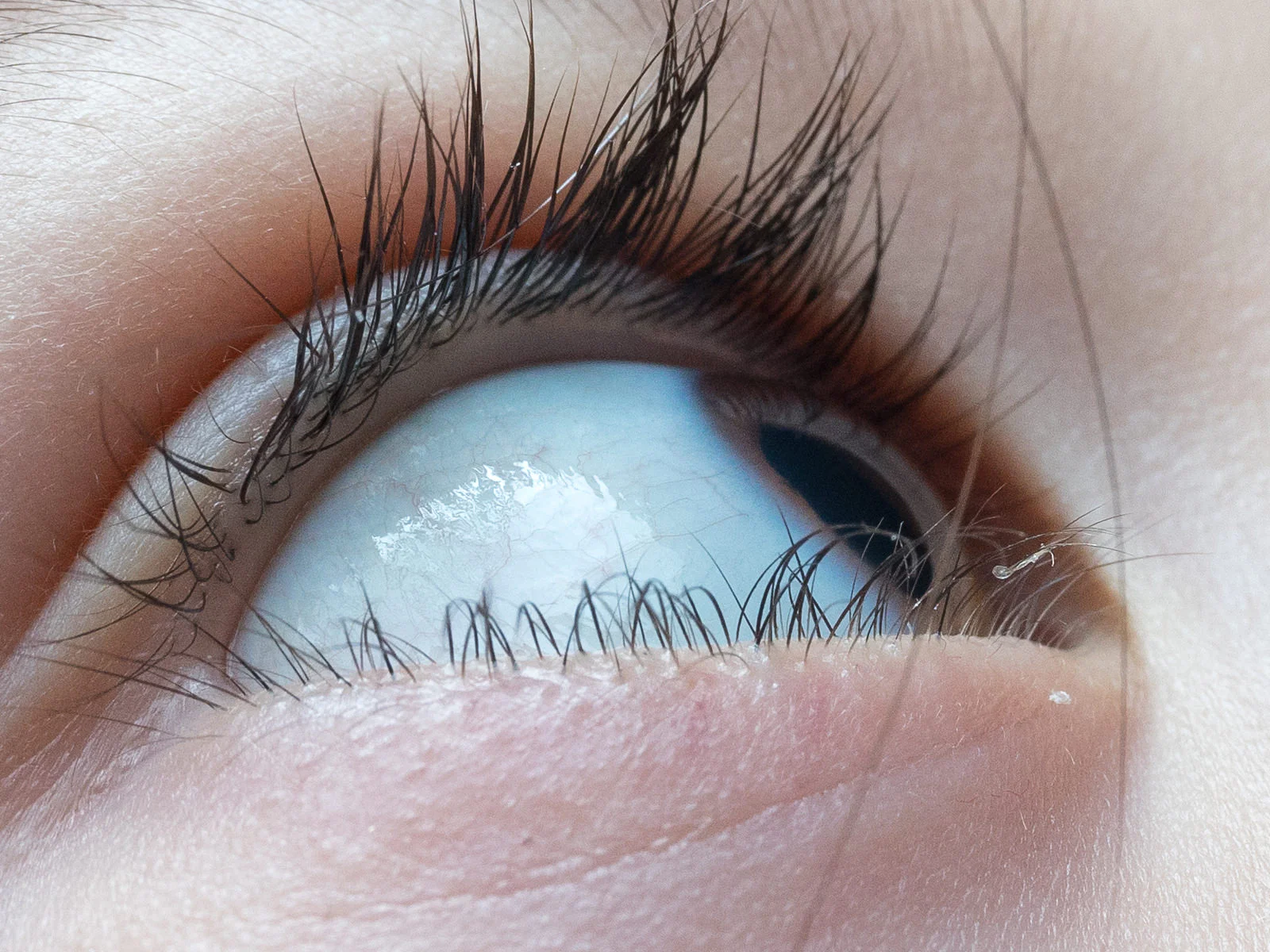
- For magnifications between 0.5X and 1X: 75 mm – 105 mm - For magnifications between 1X and 2X: 50 mm - For magnifications between 2X and 4X: 35 mm – 28 mm show up as suitable values. Of course, you can also buy just one—say, a 50 mm lens—and with a suitably long tube even reach 8X magnification. We can see an example like this:

How do we mount an enlarger lens? Except for special cases, we always reverse-mount. Reverse mounting almost always gives better results in macro shooting.
Although the mount side often has an M39 connection, what matters more to us is the filter diameter. Here we encounter diameters that vary by model. For a 28 mm lens you may see 30.5 mm; for a 50 mm lens, 40.5 mm or 43 mm filter diameters. You’ll need filter-diameter step rings and reverse-mount adapters to match these. Don’t worry—you can find them on eBay for a few dollars per piece.

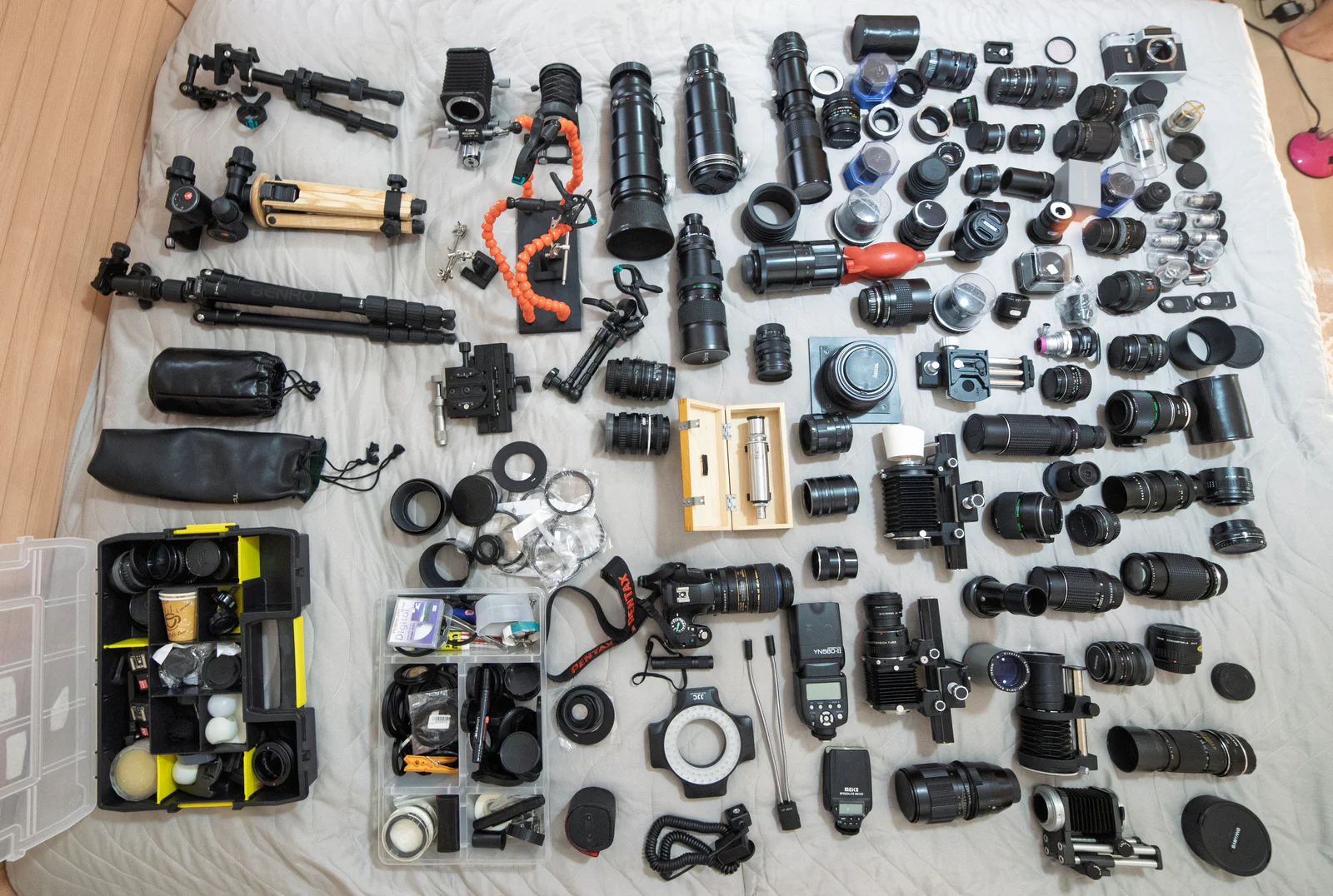
As of the date I wrote this article, the enlarger lenses I have on hand are as follows; I’m listing them because I plan to introduce each in more detail with a separate article:
- Nikon El-Nikkor 50mm f/2.8N - Rodenstock Rodagon 28mm f/4 - Rodenstock Rodagon WA 40mm f/4

Reasons to prefer a macro lens
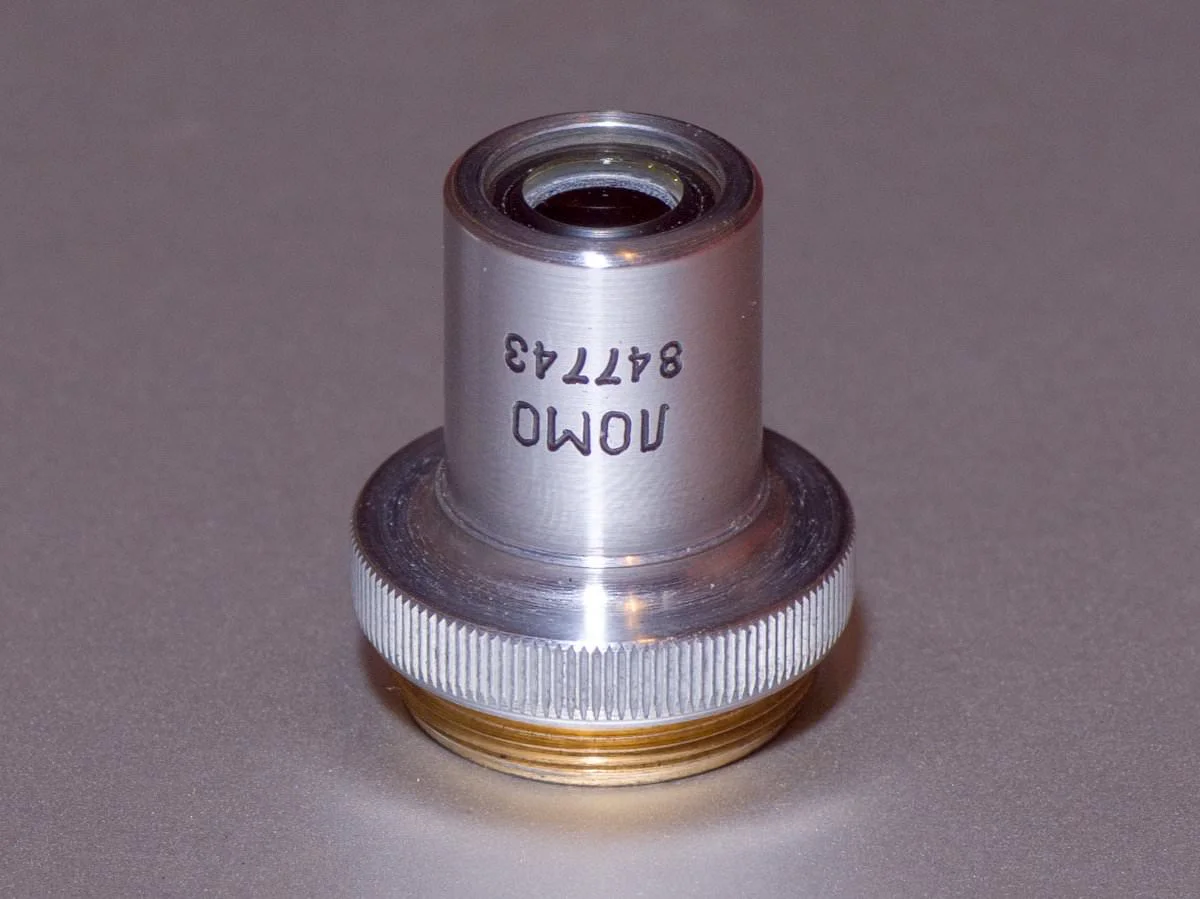
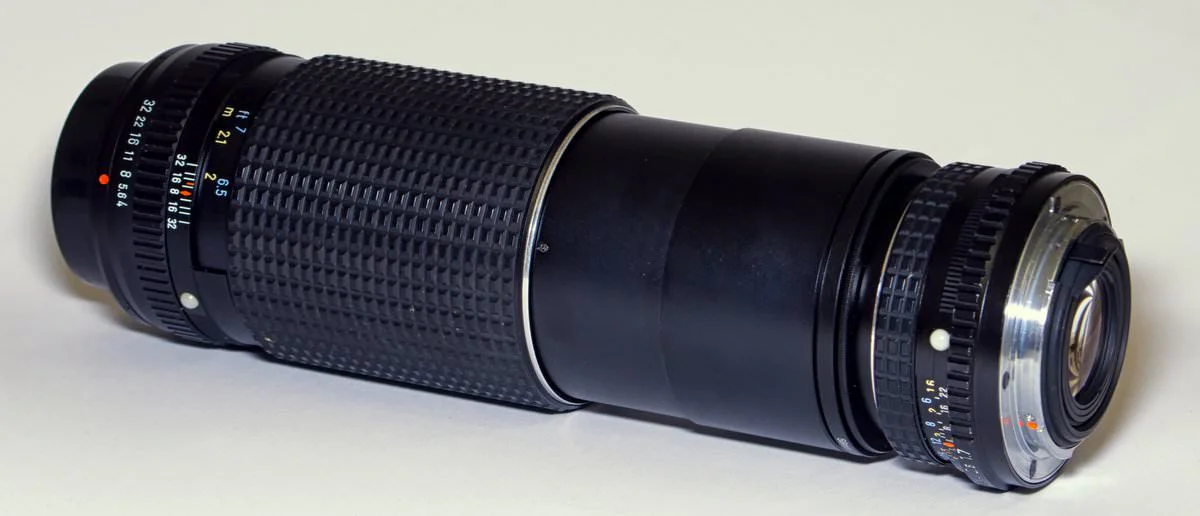
- In dim environments where a bright viewfinder (auto diaphragm) is needed, modern macro lenses are easier to use. Because enlarger lenses have manual apertures, after the setting they stay stopped down and offer a dark viewfinder. It can become difficult to see where focus lies. Especially in shaded areas during field work, a macro lens makes things easier. In the studio it doesn’t matter much. - When you need to work with relatively distant subjects, or when you need to work with little magnification for targets like large flowers, macro lenses are best. - If you want to occasionally shoot non-macro, focus to infinity, or take portraits, you can do it without changing lenses with a macro lens. - When we go out “at random” to shoot, we don’t know how big the insect will be that appears. If adjusting magnification and framing becomes important, normal macro lenses are far ahead in this regard. When working with an enlarger lens, we stay at the same magnification and the same working distance unless we change the tube. A bellows or a helicoid solves this. For handheld shooting, it’s hard without a helicoid. If you’re going to use an enlarger lens, be ready to change lenses frequently. - Macro lenses released in recent years offer variable magnification ranges. Lenses from infinity–2X and 2.5X–5X are now available. > A helicoid is a tube adapter that gives focusing ability to lenses without a focusing ring; it can be lengthened or shortened by turning.
Reasons to prefer an enlarger lens
- They’re preferred when high magnification is required. For over 2X, an enlarger lens is a good choice. For most macro lenses, even if we use tubes or close-up filters, above 2X is difficult. With that much tube, the resulting setup may be an unwieldy, fragile-looking contraption. In terms of performance, enlarger lenses are good at high magnifications. - Enlarger lenses stand out when lightness and compactness are needed. - Undisputed leader in price. That alone is enough. For the price of 1 macro lens you could buy even 10 enlarger lenses.
Conclusion
Enlarger lenses are macro monsters. Whether a beginner or a professional, every macro photographer should have a few in their gear pool. Definitely give these lenses a chance.
Since you’ll be buying an old second-hand lens, there’s no need to remind you to pay attention to its condition. We always check parameters like fungus, scratches, and the condition of the aperture blades.
Right now my favorite lens, the one I use whenever possible, is an enlarger lens: the Componon-S 80mm. I like it more than the Tamron 90mm. I can share an album of sample photos I shot with the Componon-S 80mm.