Microscope lens Lomo 3.7x 0.11
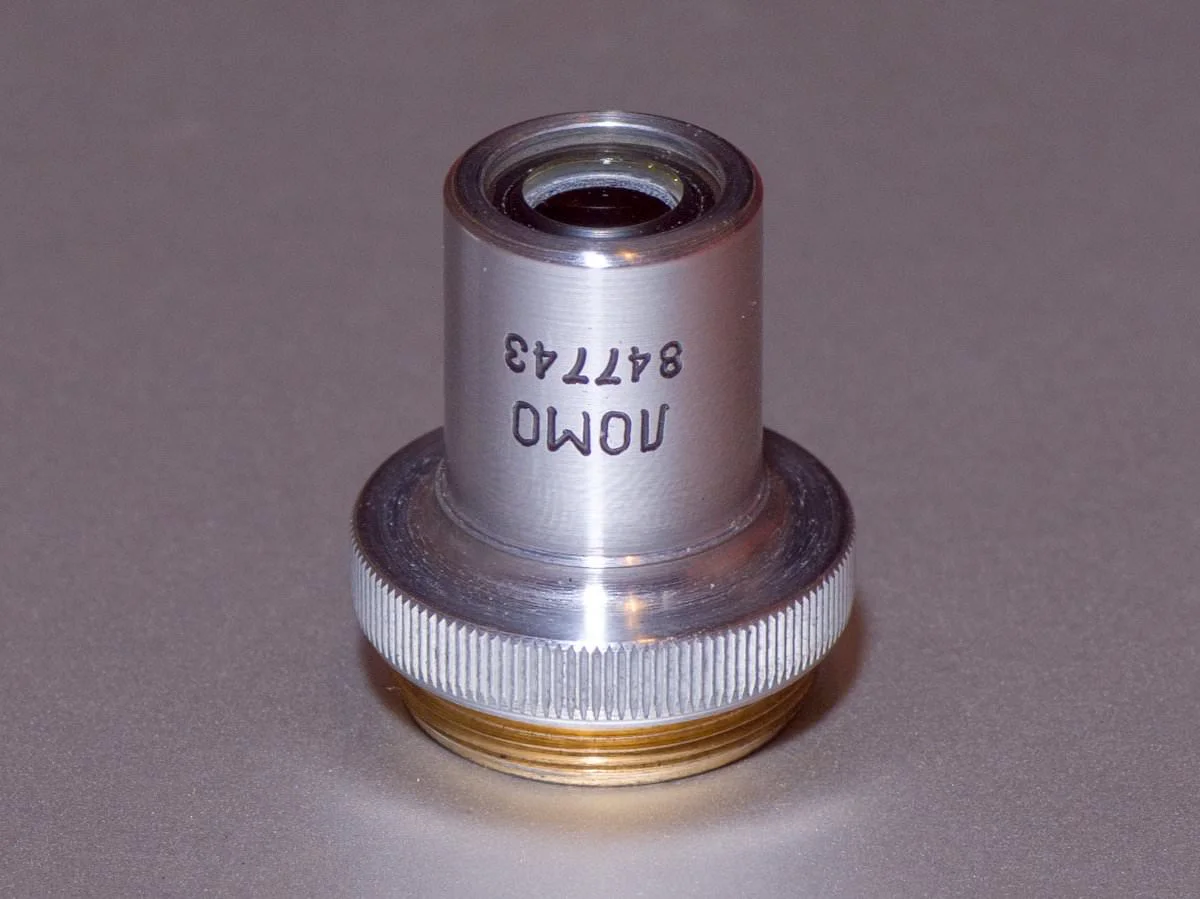
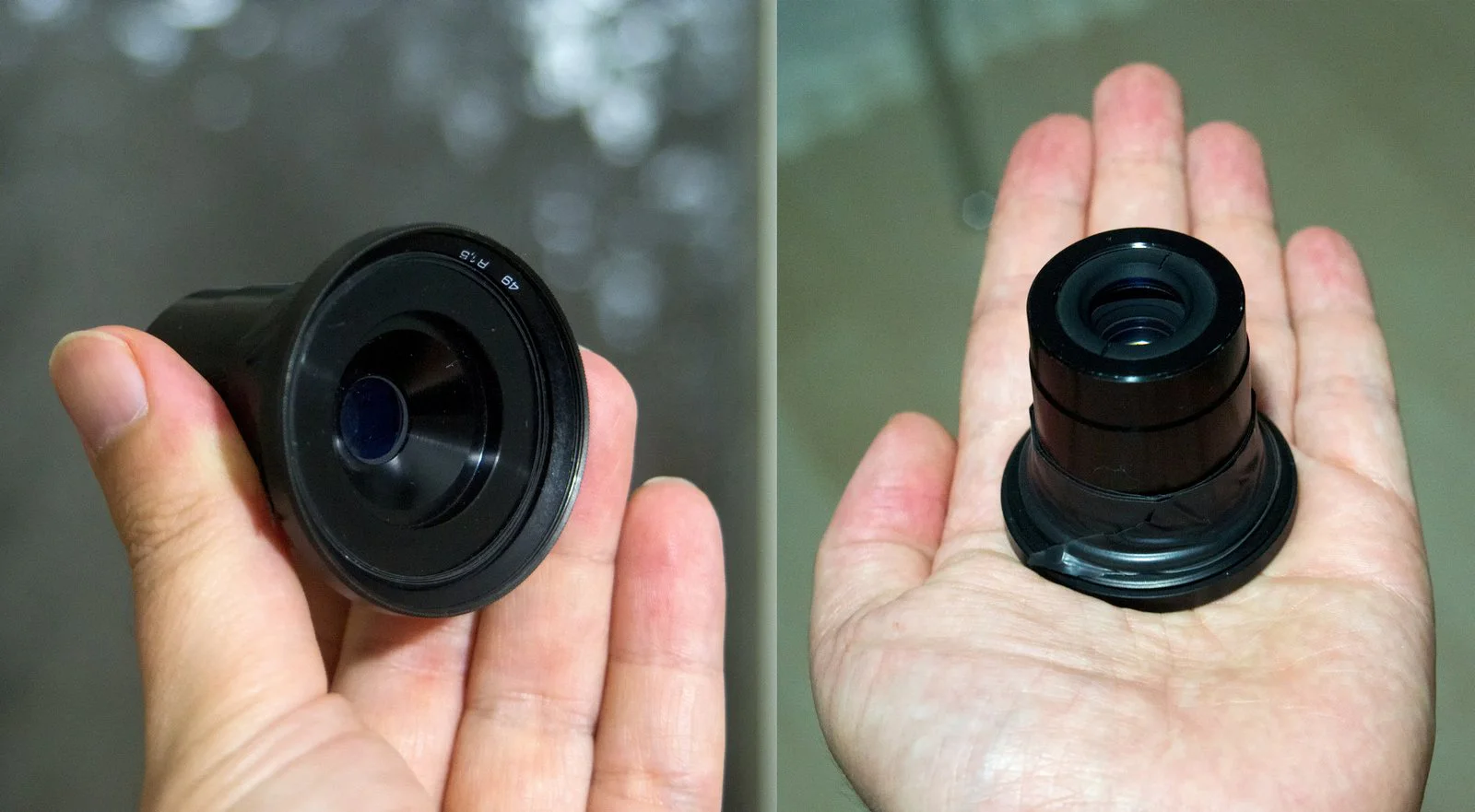
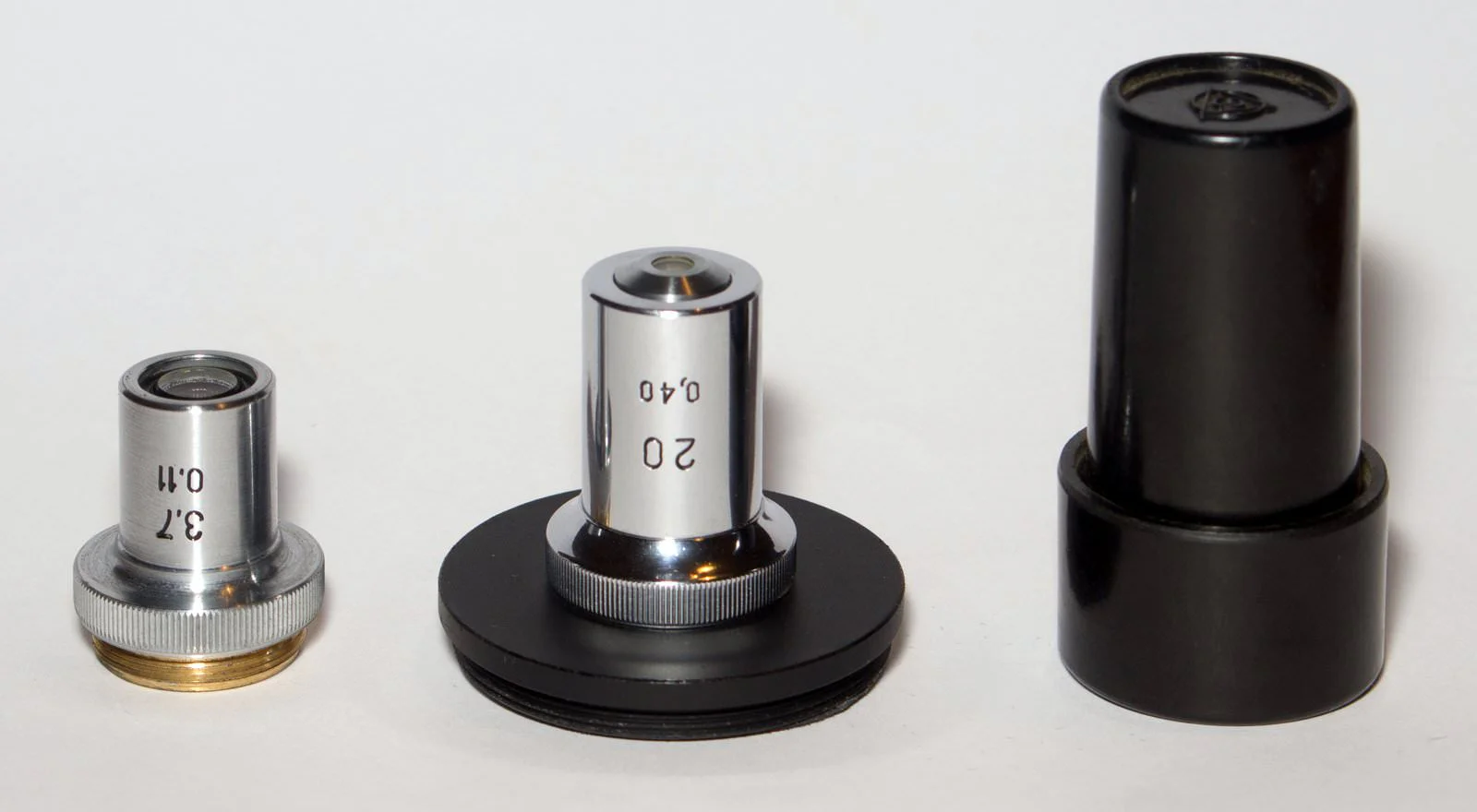
Russian-made optics are known for being inexpensive yet high-quality and durable. Since I was happy with my first microscope objective, the Lomo 8X, I gravitated—again with no prior knowledge—toward another affordable Lomo microscope objective: Lomo 3.7X 0.11.
The 1984-model 3.7X objective is wider and heavier than its 8X sibling and likewise has an RMS mount. Its NA is 0.11. This value not only exceeds what we’re used to seeing at 3.7X, it even surpasses some values at the 5X level, hinting at high resolving power. As for working distance, it offers a very comfortable 3–3.5 cm. During focus stacking, this allows very easy lighting and smooth operation.
I don’t know the standard tube length for sure, but I assume it’s 160 mm. In my test, roughly setting that distance gave 3.8X magnification—right on the lens’s designed magnification. As you know, if you use a different bellows extension than 160 mm, the magnification changes. More extension, higher magnification… So yes, we could push to 5X, but it’s best not to overdo it.
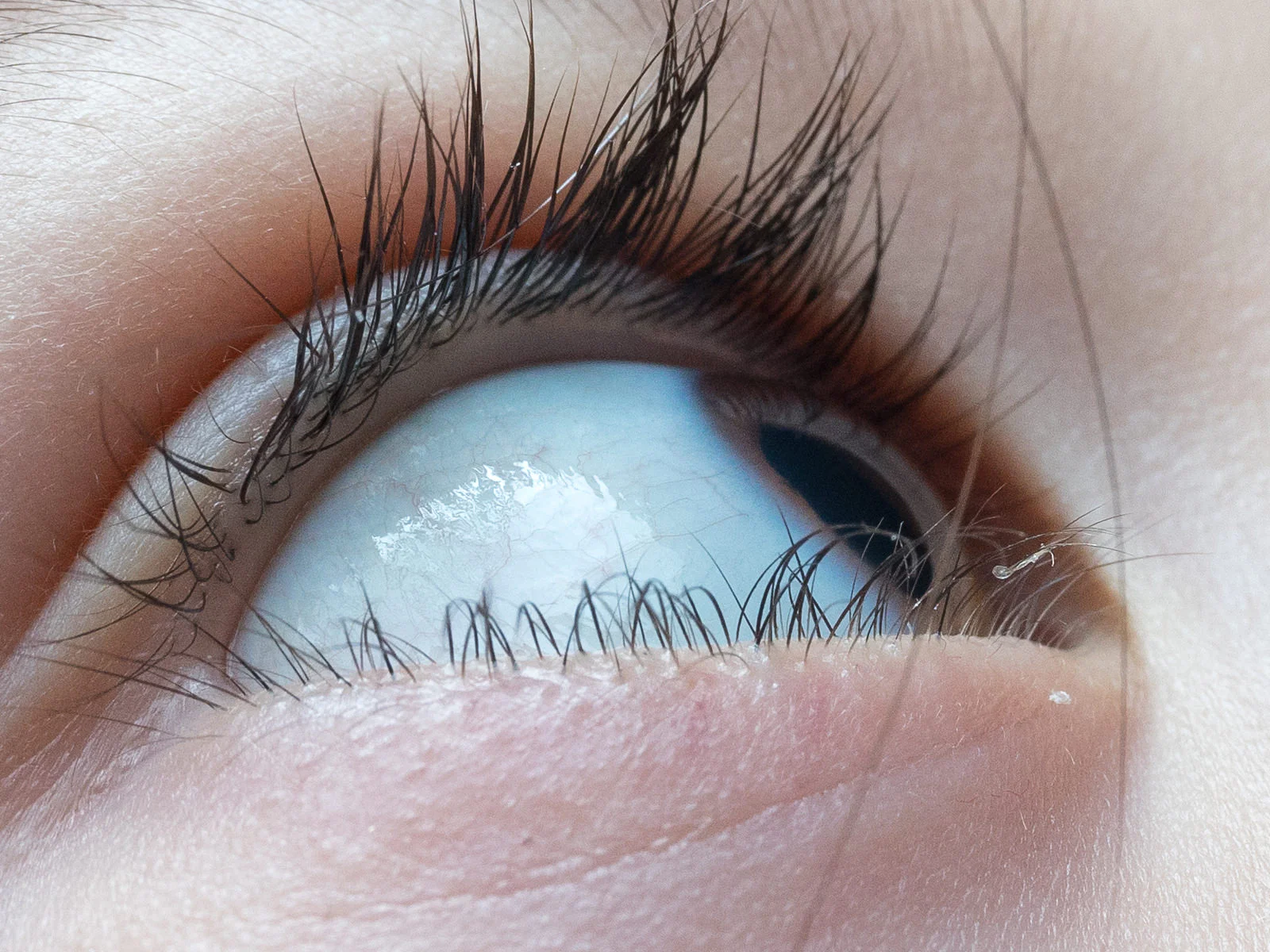
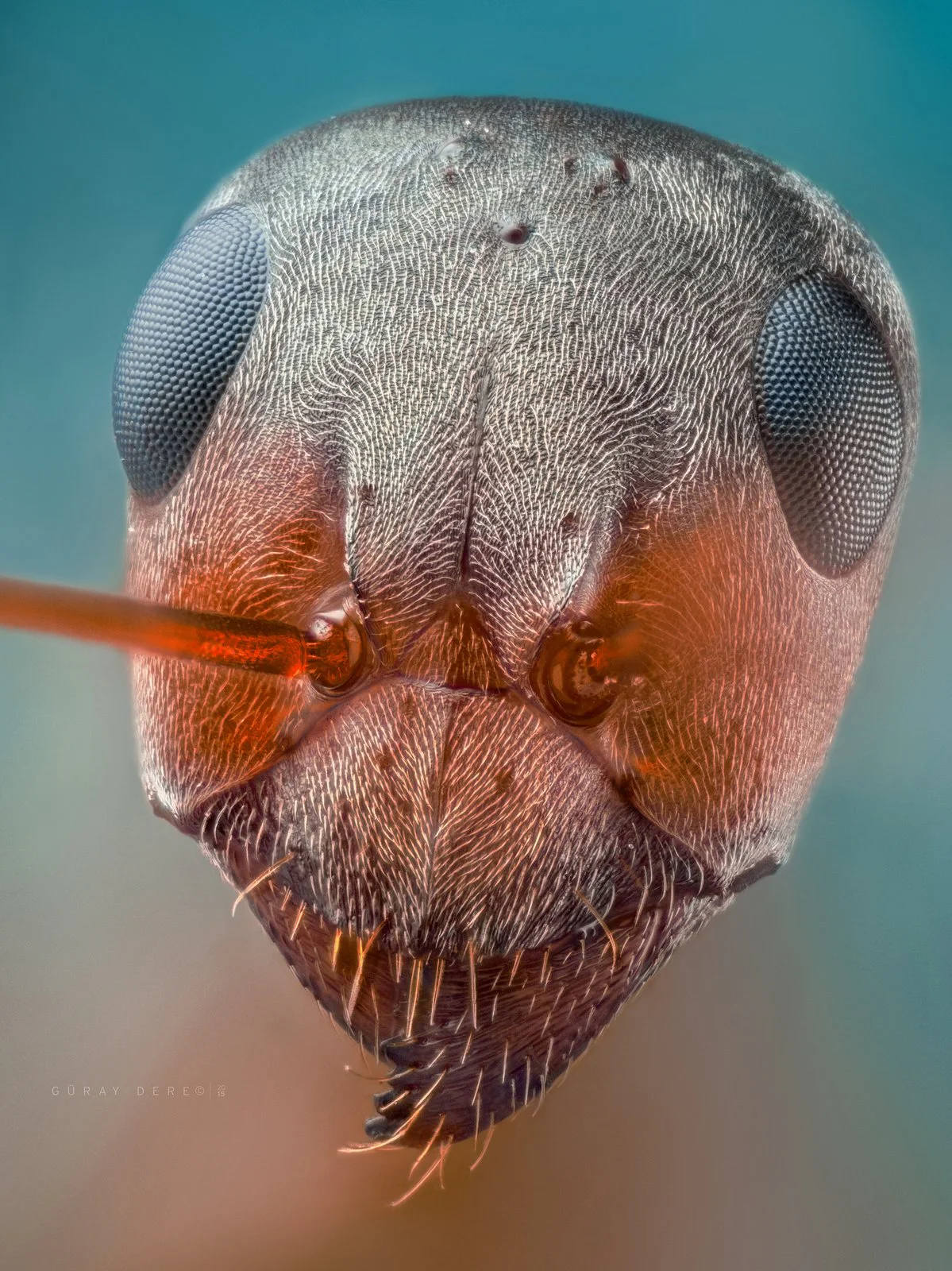
Although 3.7X sounds like a slightly odd magnification, it lands at a very handy level for insect portraits. I’d long been curious how a microscope objective would differ at this magnification compared to the reversed enlarger lenses I’d been using.
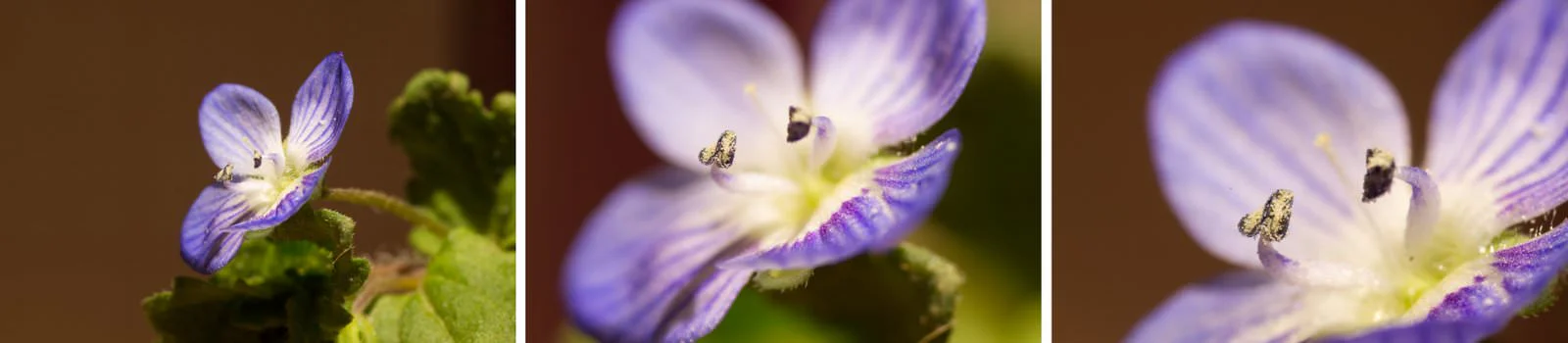
For tests like this I immediately tried it on a dead insect I keep in a jar. One aspect of the Lomo astonished me: I couldn’t observe any CA (chromatic aberration)! That’s fantastic. The kind of color correction we see in expensive APO lenses is evidently present in the Lomo 3.7X as well. I can comfortably call the Lomo 3.7X an APO.


Update 1
Over time I had the chance to use many microscope objectives, testing magnifications from 2.5X to 40X. Yet I can still say the most sensible microscope lens I own is the Lomo 3.7X. Naturally, I immediately bought a spare. I shared sample photos both here and on some foreign forums. They drew a lot of interest and the number of people wanting to try the lens increased. In the years since, the Lomo 3.7X has become a legend. Its USD price is now 4–5 times what it was when I bought mine.
The Lomo 3.7X isn’t just sharp—it’s easy to use and plays very well with full-frame cameras. Many microscope objectives cause vignetting on full frame; the 3.7X performs excellently even in the corners. It also remains very affordable. With all these qualities, it’s a top-tier choice. Some friends acquired the lens after reading the article on this site and came to the same conclusion as I did. One of their comments was exactly this: “Let’s buy up all the Lomo 3.7Xs on the market!”
I don’t think I need to add anything else :)
Update 2
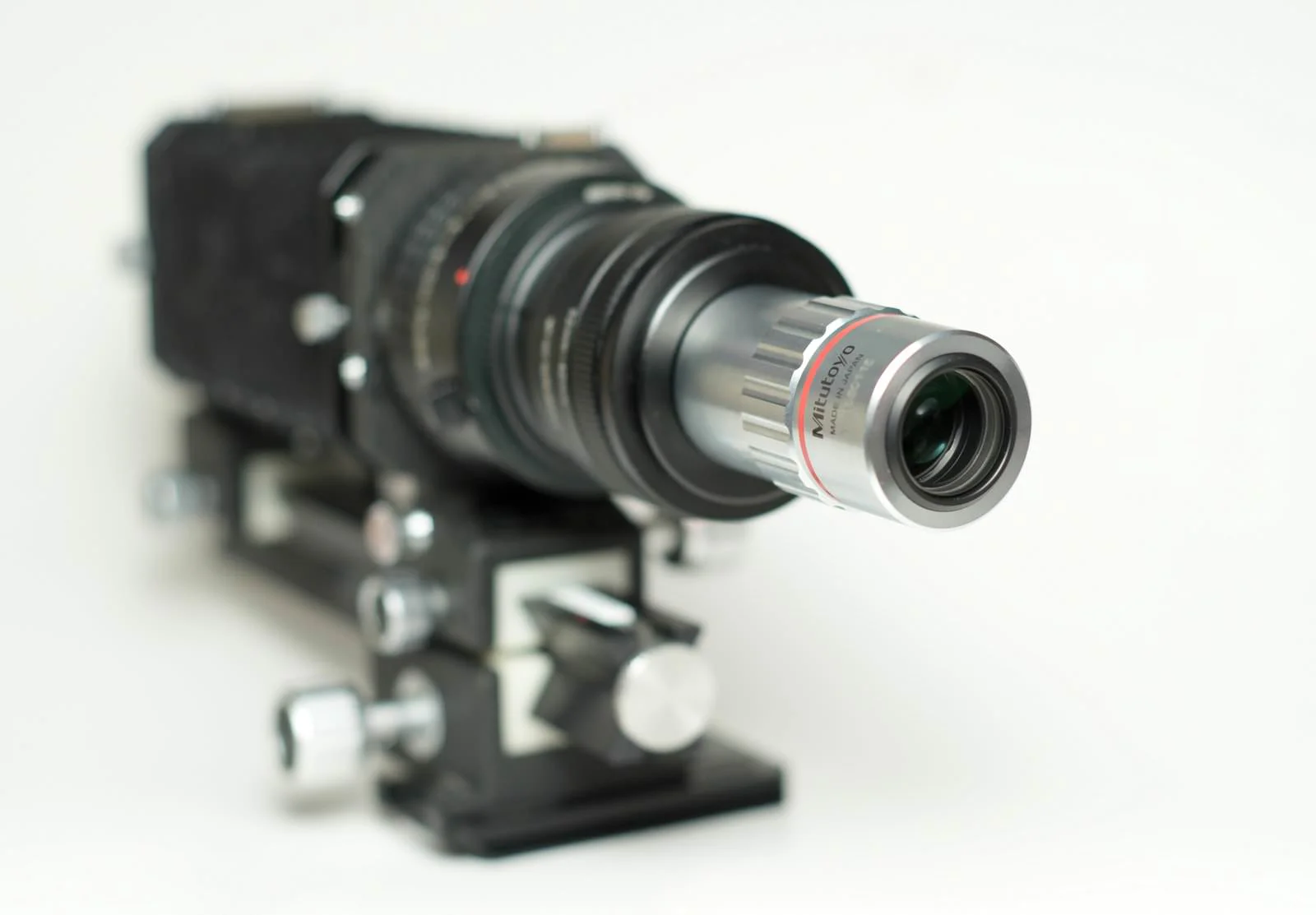
After using the Mitutoyo 5X—which sits at roughly the same magnification range as the Lomo 3.7X—for a long time, I wanted to reiterate how fantastic the Lomo 3.7X is. Those who can’t afford expensive lenses shouldn’t be upset. The Lomo 3.7X delivers images that are almost competitive with the Mitutoyo in terms of sharpness.