Natural light and a day of failure
Late December, temperatures below zero. My macro work mostly consists of processing photos from the archive. My camera is sitting in the bag. A predictable time of year. Luckily I shot plenty last summer with these days in mind. My drives are full of RAW files and I’m still working through images from six months ago. I may not finish before spring.
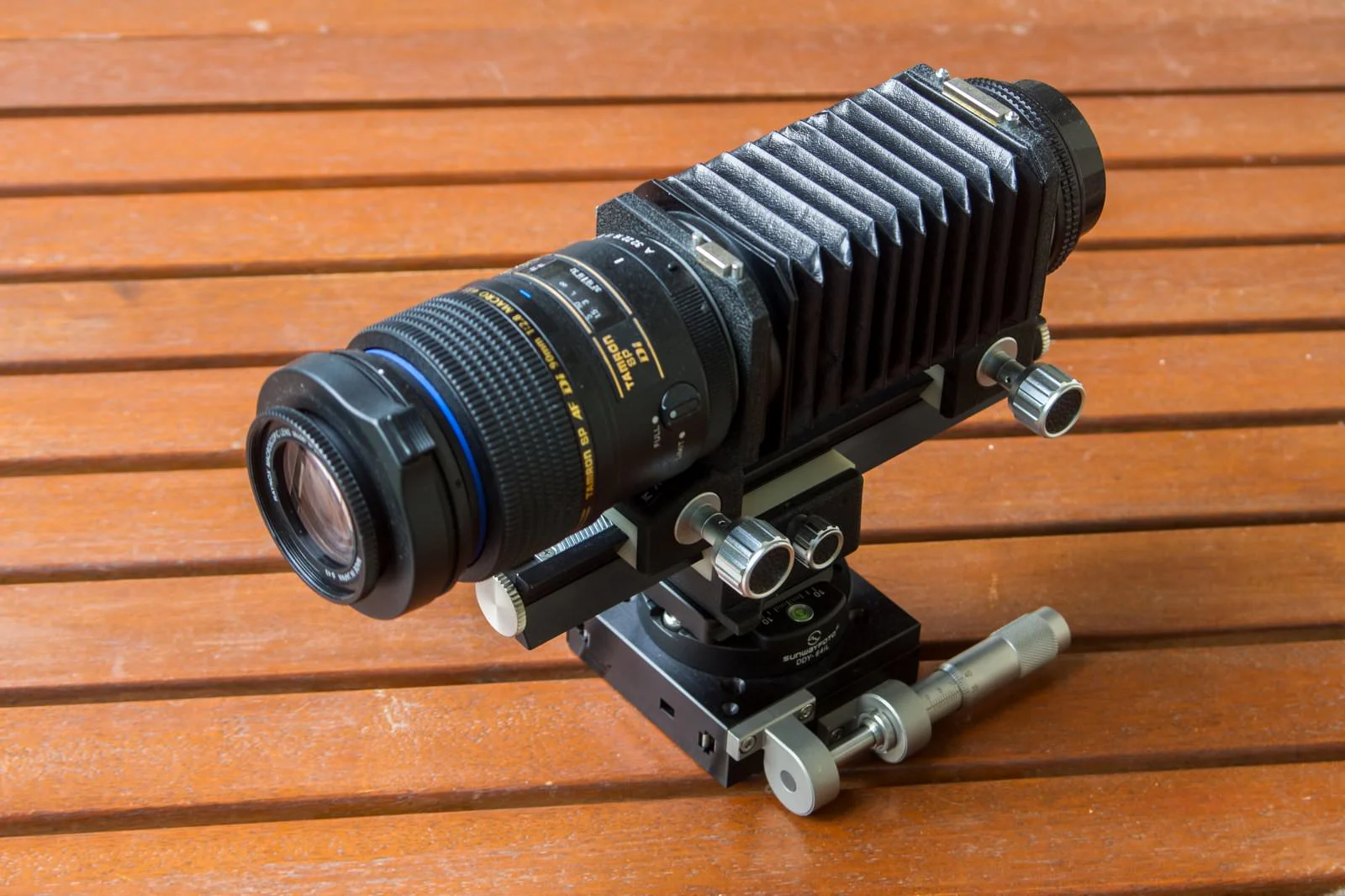
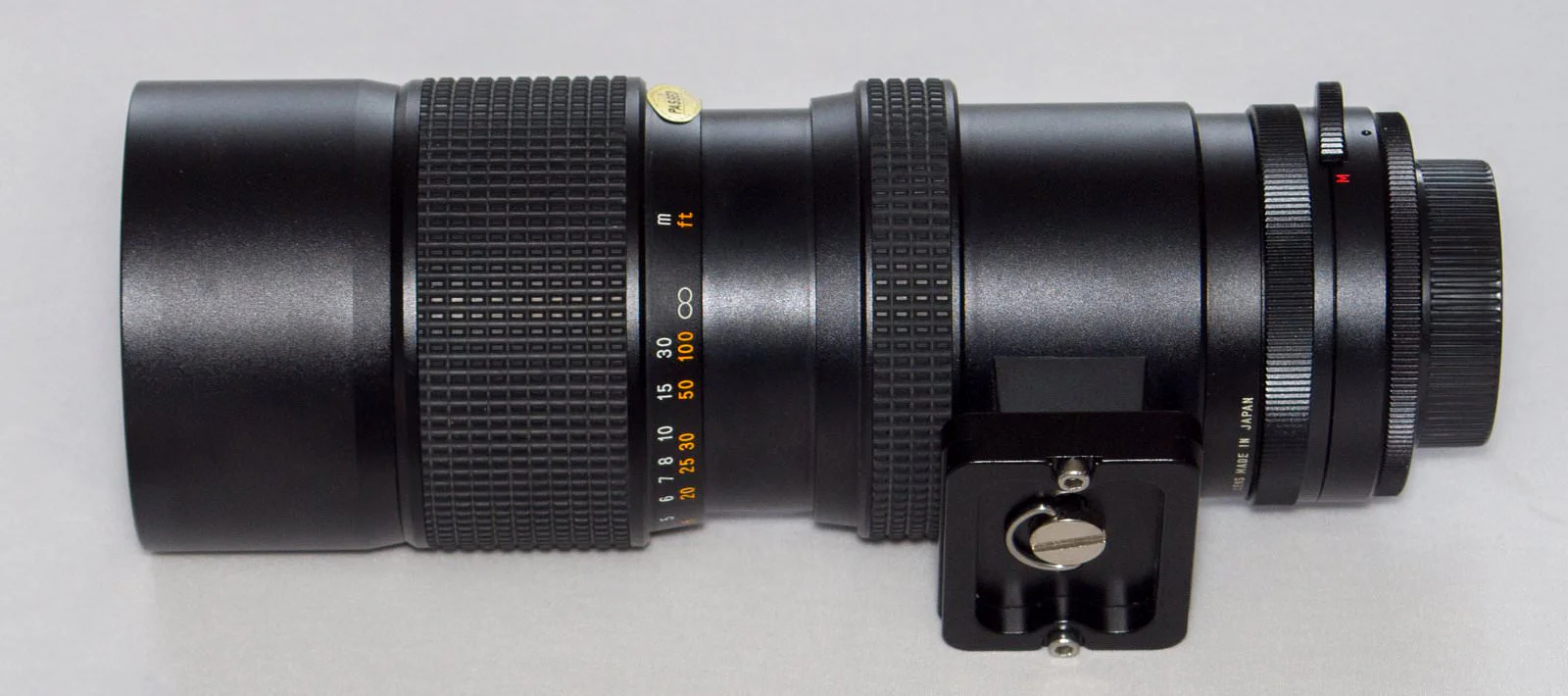
A few weeks ago I picked up a Newport-423 (imperial) stage and finally completed my tripod-based natural-light setup. I’ve actually been using a Newport for a long time, but that one was the metric M-423. To mount it on a tripod I needed special screws. After nearly a year of not nailing the screw situation, I switched models. I’ll cover that in a separate post.

After setting up the new system and staring at it for a good while, I couldn’t wait to field-test it and improve myself in this area. With the cold and snow not giving me a window, I’ve been trying flash-free shots at home so I can hit spring a bit more seasoned. But without the real-world outdoor challenges, you don’t truly learn much. Then the weather cleared a bit; I tried some garden tests but had a hard time finding subjects. It’s as if there aren’t any insects around.
“As if,” because I know they’re there. You should see how good John Hallmén is at this. Living in Sweden, he keeps doing macro in spite of snow and cold—part knowledge, part gear, mostly determination. When I can’t be bothered to get up early and at least step into the garden—and then come back empty-handed—I get annoyed with myself. I’m embedding a YouTube video he shared. We live in a much kinder climate. Let’s watch this first and feel a tiny bit ashamed together :)
http://www.youtube.com/watch?v=EpbCngGAIkA
Kerem’s foggy winter shoot
In the meantime I got a chance to test the new kit in the real world. When I travel outside Istanbul for family visits I often sneak in macro sessions in open fields—and usually come back satisfied. But this time, for the first time, I took no flash on purpose. I would force myself to try natural light. The weekend forecast said foggy and dry. Overcast is actually an advantage: we don’t like direct sun in photos; it creates harsh highlights and hard shadows. On sunny days you need a white cloth/paper/plastic diffuser to spread the light so it doesn’t hit the insect hard. With fog or cloud, nature becomes the diffuser and gives lovely lighting. Another plus: insects that can’t warm up tend to stay motionless.

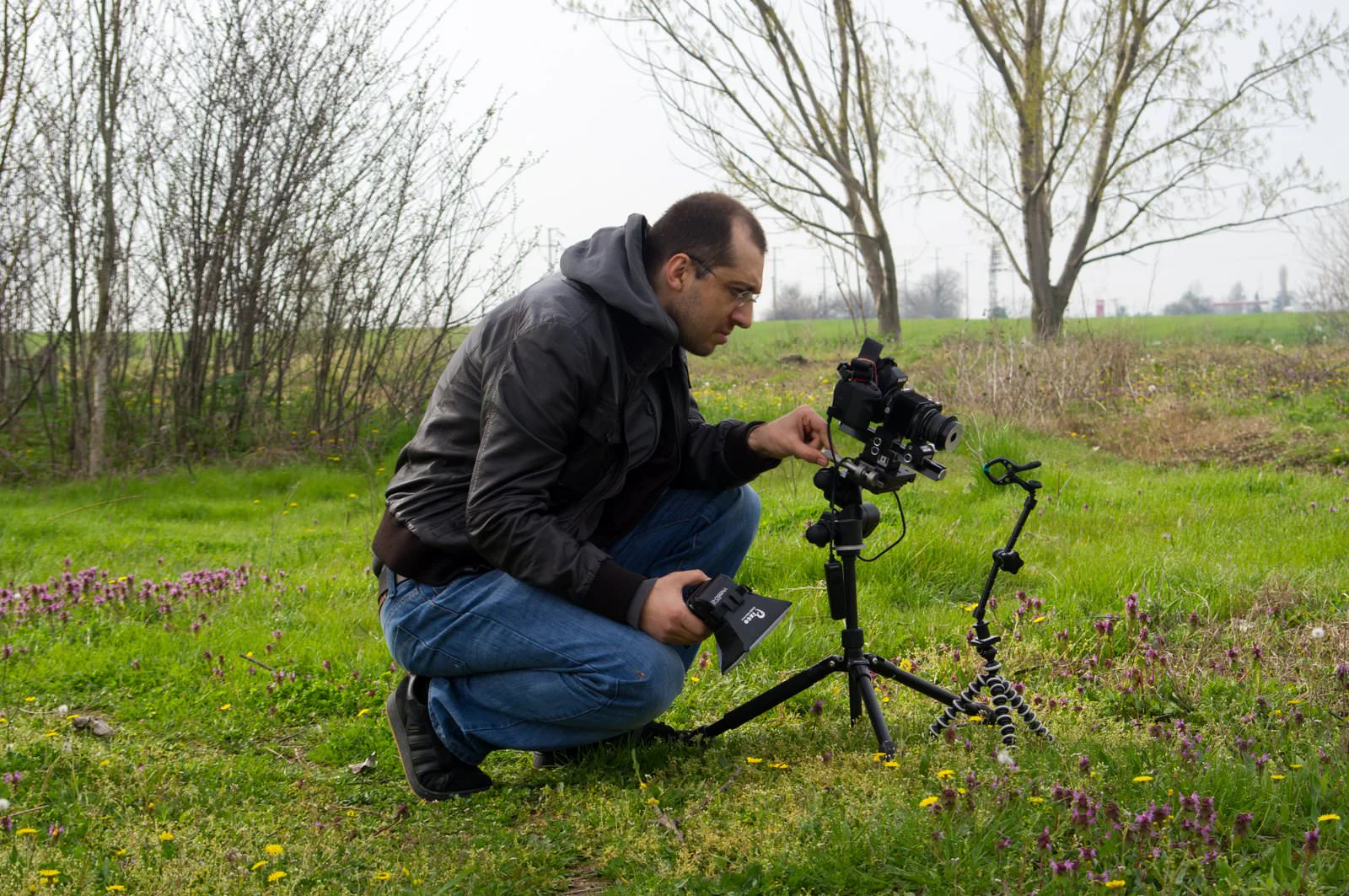
I often shoot with my cousin Özgür Kerem Bulur, and I find his macro work outstanding by any global measure. When he goes alone, he sometimes emails me snapshots of the shooting environment. Recently, on another foggy day, he sent me a “here’s where I was” shot and the praying mantis photos he took there—made me drool. Seeing those raised my expectations for my own foggy-day outing that weekend. By the way, click the photo below to enlarge and study it.

Shoot day
That Sunday, after a farm visit, I grabbed the gear and headed straight into the fields. Not foggy—sunny, crystal clear, but very cold. Must have been 3–4 °C. Puddles frozen overnight were still solid at noon. I wandered a long time along field edges, by the stream, even in the stream bed. Incredibly, I found nothing. I would have settled for a tiny flower—but in this season there wasn’t even that. Yes, everything is green, yet from a macro perspective it’s a desert. Along the stream, faintly drifting tiny flies. Where the frost had melted, everything was beaded with dew. The scene was beautiful. I crouched down and just took it in. That was it.
Rather than sulk, I should sling the tripod and head back to enjoy the family time—we came to visit. My daughter poses among the sheep. I focus on them. And macro lenses make fine portrait lenses too, right?

Because it’s in shade, it’s completely frozen. No signs of life. I zone out under the vines again. Then I notice some dance flies. These tiny guys never sit still—they’re constantly fidgeting and dancing, hence the name. Still, worth a try in the cold. While it sits still, I set up the tripod. But it just won’t get low enough. Shorten the legs—nope. Extend—nope. Splay them all the way out. Still no. Leave one leg extended, fold the other two fully! Let go…and it tips over. Not happening. My cousin Kerem has this tripod model too. I’m starting to understand why he sawed the legs down (!) and then set it aside for a dedicated low-angle one.
For macro, you need a tripod that can get very low to the ground.
Despite all the wrestling and repositioning, the fly is still there. I set focus and press the shutter—on a delayed timer, of course. The camera waits 3 s for mirror shock to settle and then takes the exposure. I look down: no fly! I check the LCD, the shot I just took: no fly!

I look down, the fly is there! I check the LCD, the fly is there! But wait—what is that? A ghost?


So what did I learn today? “A lot.” First, I’m clearly missing some bits of kit. Comfort matters. Half-baked stopgaps make an already difficult job even harder and burn through our limited patience fast. The kit needs to set up quickly, work quickly, and be portable.
I remembered a video I once watched—what I called “Nikon gear porn.” Even the music! They were just going to photograph a spider, but they had to advertise, I guess. They must have shown up with a truck. You can’t help thinking, “a tripod, a body, and a lens would have done it.” Let the fellow enjoy his $20k (I’m guessing, not exaggerating—could be more) in gear, but I also feel a little sad: half his life will be spent setting it up and tearing it down. Or he can stand in one spot all day making perfect shots of that same spider. That’s a choice, too.
That’s definitely not the solution.
Back to “what I learned.” A new needs list emerged.
Needs list
- A wooden tripod that can go very low and damps vibrations quickly—e.g., Berlebach Mini Stativ
- A body with EFCS (Electronic Front Curtain Shutter) so I don’t have to wait seconds for vibrations to settle—press and it’s shake-free (Canon/Sony/Olympus, for example)
- A solution that won’t let the Newport flex when I angle it down toward the ground. (Not sure about the weight question yet—heavier is usually better.)
- Portable, easy-to-carry, easy-to-set-up mini diffusers, reflectors, and specimen-holding clips. We’ll need to build our own solution.
- Strong nerves, patience (the most needed item—so much so that everything else is secondary)
Update: Rereading this now, I’m happy to say I’ve achieved the goals on that list. My reflector holders, Berlebach mini tripod, and Sony A7 II body have made my outdoor sessions much faster. Over time I’ve had the chance to do many enjoyable shoots. One item remains as valid as ever: patience and determination. You’ll always need them :)
Day’s end
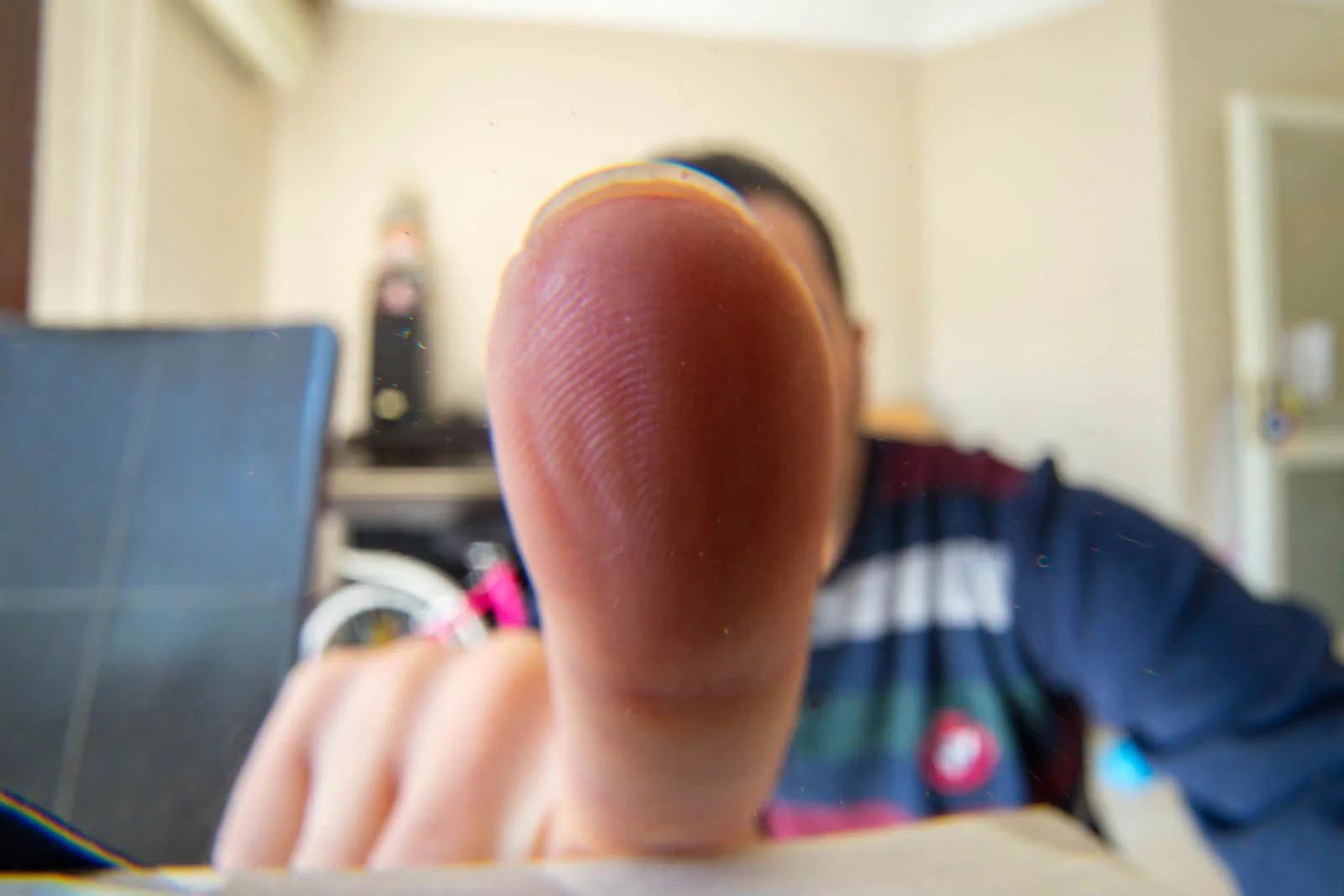
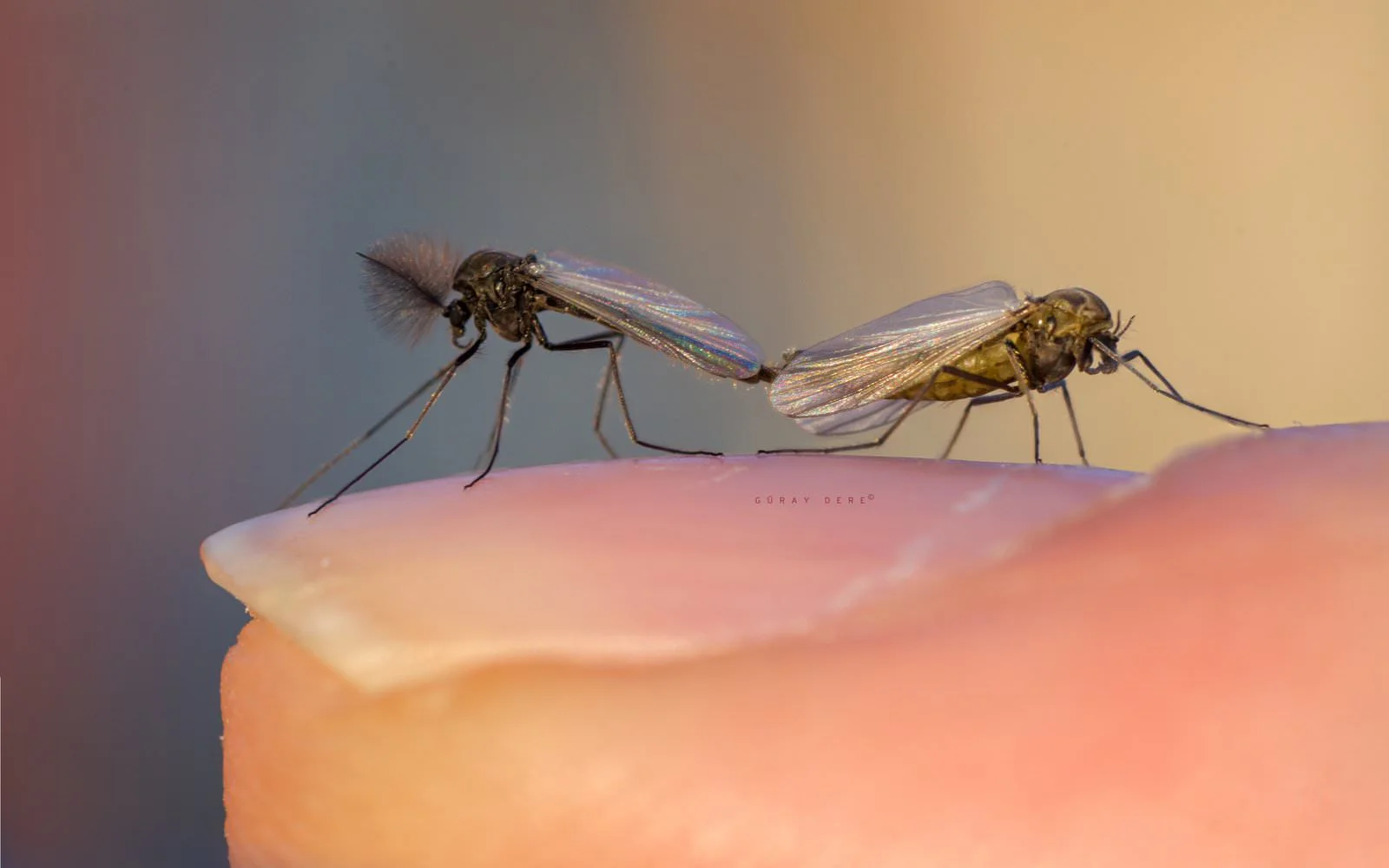
At last evening came; as the sun set it got even colder. To avoid getting sick we packed everything and loaded the trunk. At that moment I noticed a mating pair of flies on the index finger of my right hand. I think they were a kind of midge fly. I used to call them all mosquitoes, but in some midges the females don’t have a blood-feeding proboscis—this one didn’t. So that must be it. Males don’t have it in mosquitoes either. Anyway, probably drawn by the cold to warm up on my finger. After watching curiously for a bit I thought “maybe,” and reached for the camera bag. I moved in slow motion so they wouldn’t fly. I managed to get the camera out one-handed—but the flies were right on my shutter finger! I’d have to shoot left-handed :)
In a pose to rival the old “touch your ear behind your head” trick, I turned the manual focus ring with my left hand while also pressing the shutter and made a few frames. My spouse must have thought I was trying to strangle myself and came over to see what was going on.

I rested the hand holding the flies on the car, so at least that stayed steady and only the camera hand shook. Even at 2× I fired away until my wrist got tired. I knew 90% would be trash—and they were. From the few sharp frames I pulled a close view.