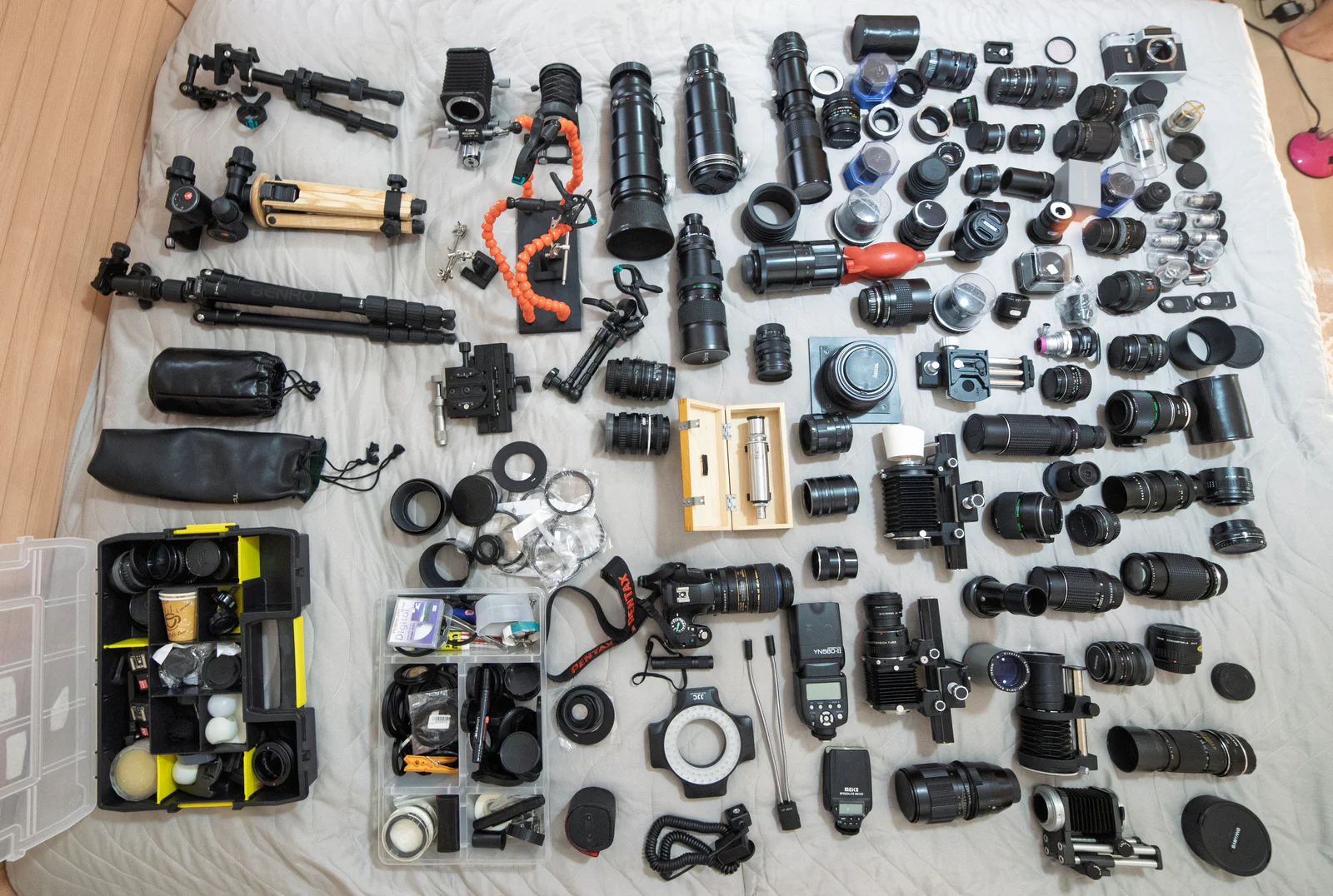
Using a teleconverter in macro photography
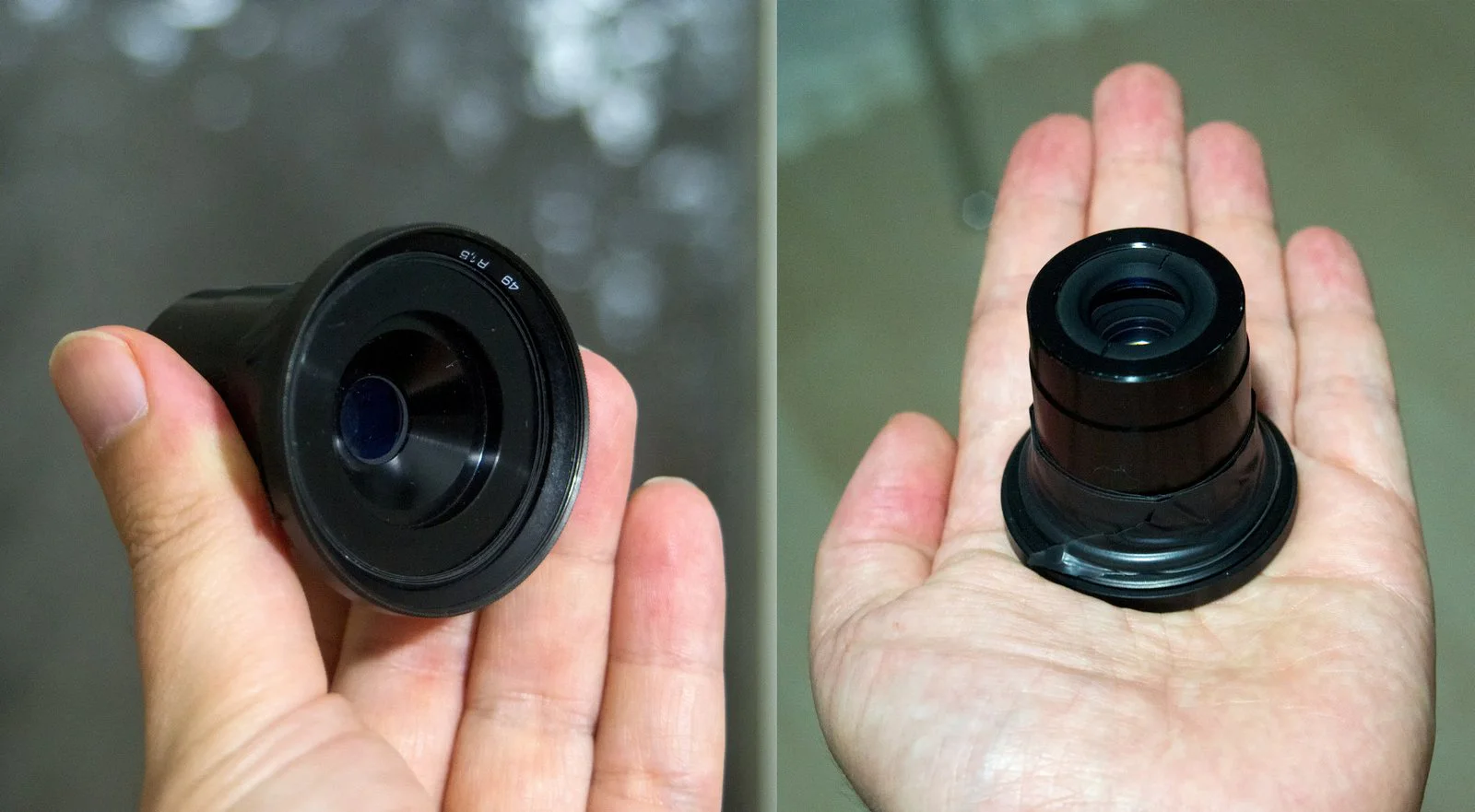
Literally, a teleconverter is a “tele adapter,” meaning a device that increases a lens’s focal length. It does this by specific multiplication factors. You can find teleconverters in various strengths such as 1.4X, 1.5X, 1.7X, 2X, and 3X. Some models also add features like automatic aperture and autofocus support, which drive up the price. In macro work, even if such automatic features aren’t present, we don’t really lose anything. We examined this in the Autofocus macro lens article.
For example, if we have a 100mm lens and use it with a 2X teleconverter, we end up with a 200mm lens. In return, we sacrifice aperture value and image quality. A 2X teleconverter causes a 2-stop light loss; that is, your f/2.8 lens behaves like f/5.6.
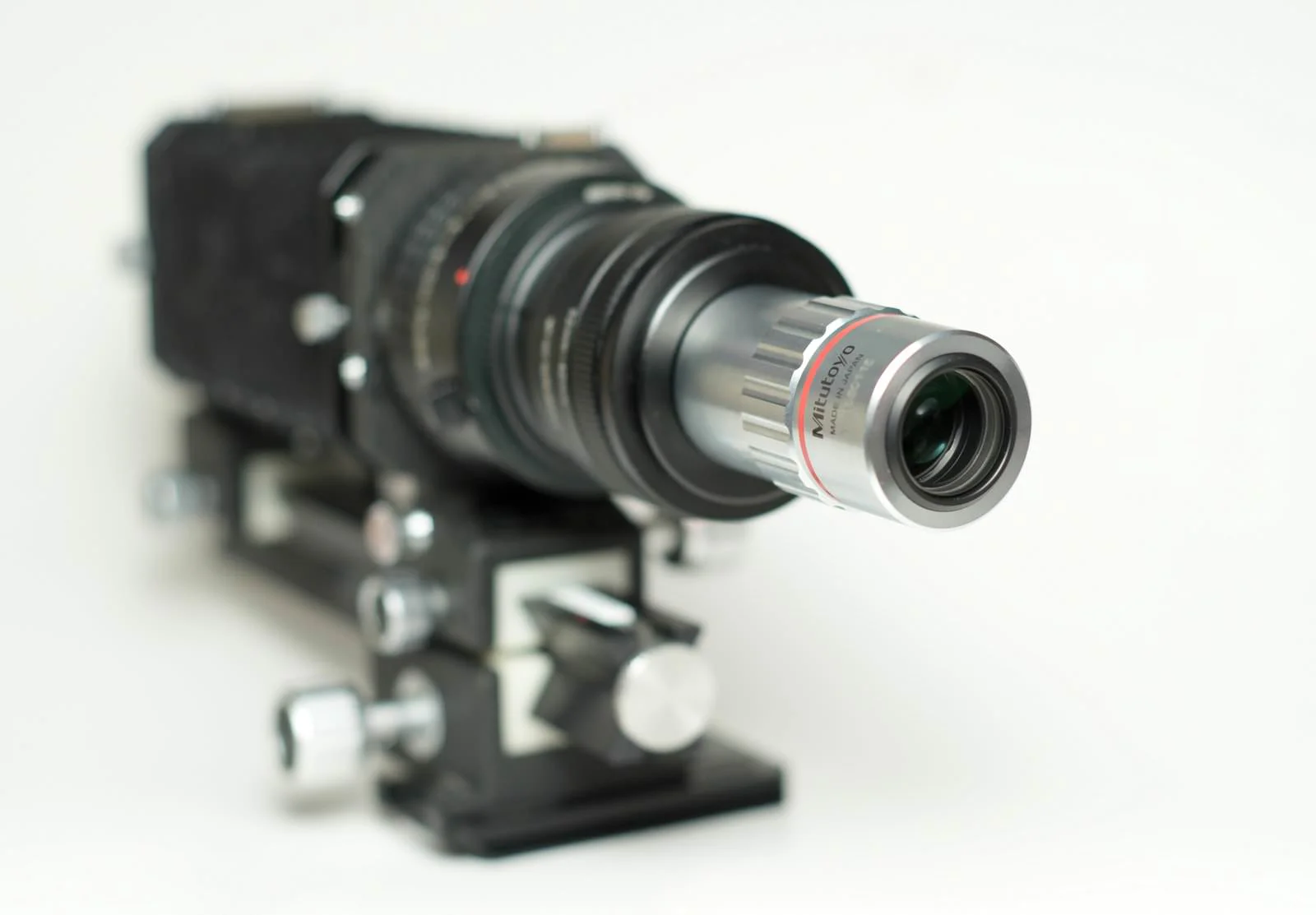
Teleconverters are widely used in the telephoto world (e.g., bird photography). That’s where we usually see them discussed. However, we also have the option to use them in macro shooting. Regardless of whether we’re using reverse/forward lens setups, tubes, or bellows, we can attach a teleconverter behind the rig to increase the magnification by the converter’s factor.
So if we’re going to sacrifice some image quality, why would we choose a teleconverter? Frankly, I don’t prefer them anymore. This is directly related to the quality of the teleconverter you have. I’ve tested three different teleconverters, all with a 2X factor. That’s why I don’t use them daily. Lower-magnification teleconverters can boost magnification without degrading quality too much, but 2X and above introduce noticeable degradation.

- We use extension tubes to push lenses to higher magnifications. For example, forcing a 100mm lens to 2× magnification requires about the same amount of tube length. Instead, by using a teleconverter we can create a more portable solution. - When we use tubes, our working distance gets shorter. We have to get much closer to the subject and risk scaring it away—or it may prefer to bite/sting us! When we use a teleconverter, the working distance doesn’t change. We only increase the amount of magnification. Being able to increase magnification while preserving working distance is, in my opinion, a standout advantage.

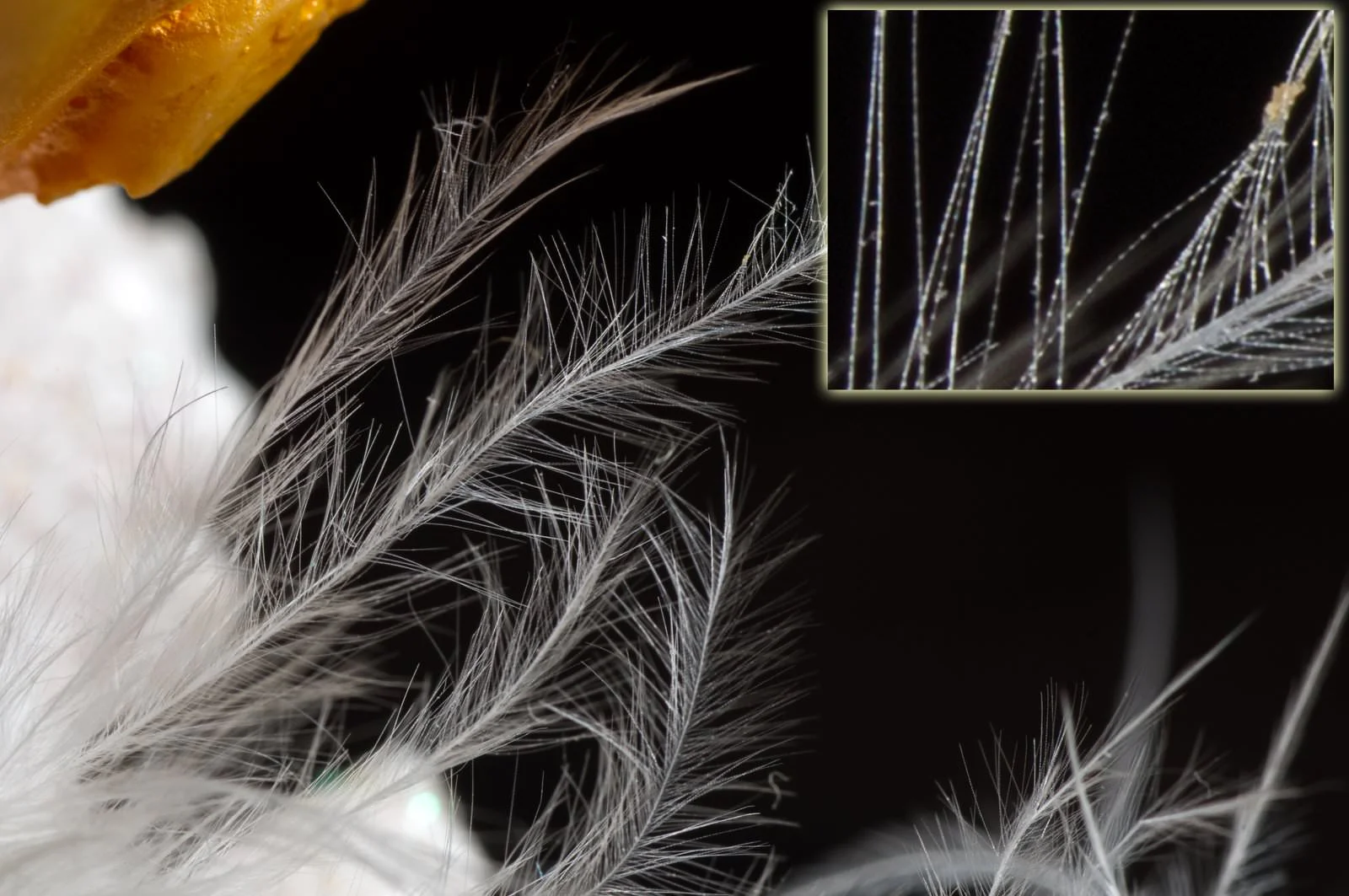
As our model, since I couldn’t find a suitable subject in the cold and rainy weather, I chose a figurine with bird feathers on it. Its high contrast and sufficient detail made the feathers a suitable test subject. The area I circled in red shows the portion used in the test photos.
Using the Tamron 90mm with a teleconverter The Tamron 90mm is indispensable for me and appears in many of my tests as the baseline comparison tool. We’ll test the Tamron again at the minimum working distance and 1:1 magnification.

At 1:1 magnification and f/11, the Tamron 90mm delivers the expected sharp and color-accurate result. There is minimal chromatic aberration (reddish and greenish fringing at edges). It’s not noticeable unless you look carefully.
After attaching the Rear Converter A 2X-S, I needed to open the aperture a bit to compensate for the lost light and avoid diffraction. So I used the Tamron 90 at f/8 instead of f/11. I obtained 2X magnification instead of 1X, but CA artifacts increased considerably. The reddish halos became notably prominent.


Without a teleconverter, the Rodagon 40mm produces crisp results. Since magnification is higher than in the previous test, we don’t stop down too much and use f/8. Color fringing is minimal.
When I attached the teleconverter, I preferred f/5.6. In the sample photo we again encounter CA color fringing. However, considering these are unprocessed images, I’d say the situation is at an acceptable level.


Note 2: If you get a lower-magnification teleconverter instead of a 2X, you have a much better chance of experiencing far less degradation. Teleconverters with APO glass are much less likely to exhibit CA issues. You can add one as an extra magnifier to any kind of macro setup.
Update
Since this article was first published, I’ve had the chance to try different teleconverters. I currently have six. Among them are two 1.5X models and one 1.7X. As I expected, the lower-magnification ones perform better than the 2X, with less degradation.
However, looking at how often I use a teleconverter in macro shooting, I see it’s almost “zero.” After my kit expanded, the teleconverter became a tool I only enjoy using with my mirror lens for high close-ups. It dropped out of my macro preference entirely.
That’s perfectly natural. For example, no one who owns a lens suited to 5X would attach a teleconverter to a different lens suited to 2.5X just to use it at 5X. Using the most suitable lens by itself is always better. In this case, the teleconverter option is more valuable for friends with limited equipment.
Finally, I want to repeat the teleconverter’s strongest advantage. In macro work, distance can sometimes be a serious issue. When we attach a teleconverter, we gain extra magnification without sacrificing working distance. There’s no other tool that provides this.